




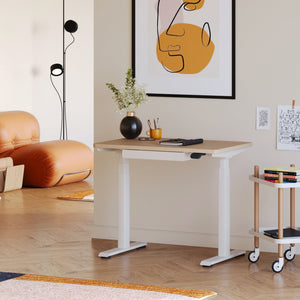
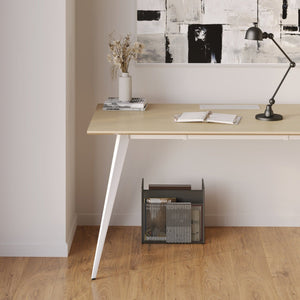
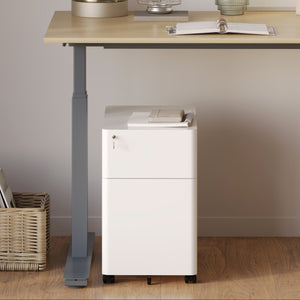






















Filing Cabinet Choices for Cleaner Workstation Planning
Cleaner workstation planning starts with filing storage that matches the desk, document volume, security needs, and daily workflow. Explore how cab...
Learn more
Visit quiz page to see how we makes it easy to create an inspiring workplace


An office chair is one of the most used pieces of furniture in any workspace, yet it is often the most overlooked when it comes to maintenance. Whether you work from home or in a professional setting, your chair supports you for hours each day. Taking proper care of it is not just about keeping it clean. It is about preserving comfort, ensuring durability, and maintaining a workspace that supports your health and productivity.
An office chair is an investment in your daily comfort and efficiency. Over time, wear and tear can affect how it feels and functions. Regular maintenance helps extend its lifespan and keeps it performing at its best.
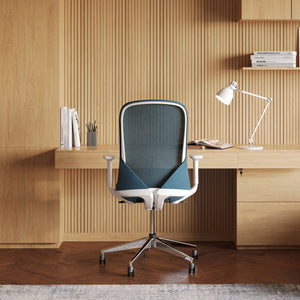
For example, a high-quality Los Angeles Office Chair is designed for durability, but even the best materials require care. Dust buildup, loose components, and improper use can reduce its effectiveness over time.
Maintaining your chair also helps protect your posture. When a chair loses its support, it can lead to discomfort and strain. Keeping it in good condition ensures that it continues to provide the support you need throughout your workday.
Daily habits play a major role in keeping your office chair in top condition. Simple routines can prevent long-term damage.
Wipe down surfaces regularly to prevent dust buildup
Adjust your seating position instead of forcing the chair into uncomfortable angles
Avoid placing excessive weight on armrests
Consistency matters more than intensity. Regular light cleaning and mindful use can significantly extend the life of your chair.
Good habits reduce the need for major repairs and keep your chair feeling like new.
Different materials require different cleaning approaches. Knowing what your chair is made of helps prevent damage.
Fabric chairs should be vacuumed and spot-cleaned gently
Leather surfaces benefit from conditioning to prevent cracks
Mesh materials should be cleaned with mild solutions to maintain flexibility
Using harsh chemicals or excessive water can damage your chair. Always choose cleaning methods that match the material.
Proper cleaning not only improves appearance but also preserves the integrity of your chair over time.
Your office setup affects how your chair performs. A well-arranged workspace reduces unnecessary strain on your chair and improves its lifespan.
Studies like this psychology of space and behavior show that organized environments support better habits. When your workspace is designed efficiently, you are less likely to misuse your chair.
Furniture placement, desk height, and screen position all play a role in how your chair is used daily.
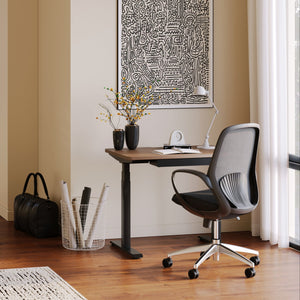
Your chair works best when paired with the right furniture. A balanced setup reduces wear and improves comfort.
A well-aligned office desk ensures proper posture
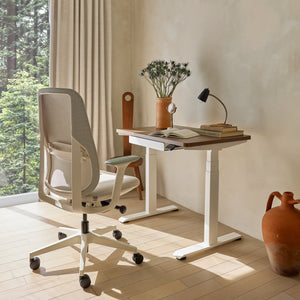
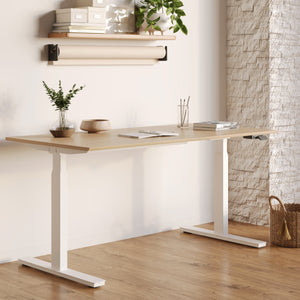
A flexible standing desk allows you to alternate positions
Proper desk height prevents unnecessary strain on your chair
When your workspace is aligned correctly, your chair does not have to compensate for poor posture. This reduces stress on its components and extends its usability.
A supportive setup helps your chair perform as intended for years.
Regular adjustments are essential for maintaining comfort and functionality. Over time, settings can shift, affecting how your chair supports you.
Adjusting seat height, tilt tension, and lumbar support ensures that your chair continues to meet your needs. These small changes can make a significant difference in both comfort and durability.
Keeping your chair properly adjusted prevents unnecessary strain on its mechanisms.
|
Task |
Frequency |
Purpose |
|
Surface cleaning |
Weekly |
Prevent dust buildup |
|
Tightening screws |
Monthly |
Maintain stability |
|
Checking adjustments |
Monthly |
Ensure proper support |
|
Deep cleaning |
Every 3–6 months |
Preserve material quality |
|
Inspecting moving parts |
Quarterly |
Prevent wear and tear |
This simple routine helps keep your chair in excellent condition.
Accessories can improve both comfort and longevity.
An adjustable monitor arm helps maintain proper screen height
A high-quality ergonomic chair provides consistent support
Proper positioning reduces strain on both your body and your chair
Accessories help distribute weight and improve posture. This reduces stress on your chair’s structure and enhances your overall workspace experience.
Investing in the right tools ensures that your chair remains effective and comfortable.
Even with proper care, every chair has a lifespan. Knowing when to repair or replace it is important.
Common signs include reduced cushioning, unstable movement, or difficulty adjusting settings. Addressing these issues early can prevent further damage.
A well-maintained chair lasts longer, but recognizing its limits ensures that your workspace remains safe and comfortable.
Maintaining your office chair does not require complicated steps. It is about building simple habits that protect your investment and support your daily comfort.
Clean your chair regularly based on its material
Adjust settings to match your posture
Pair your chair with a supportive desk setup
Inspect and tighten components periodically
Use accessories to improve ergonomics
Address issues before they worsen
When you take care of your chair, it continues to take care of you. A well-maintained chair supports productivity, comfort, and long-term health.


You have unlocked free shipping!
You're saving $29 and unlocked free shipping!
Leave a comment