



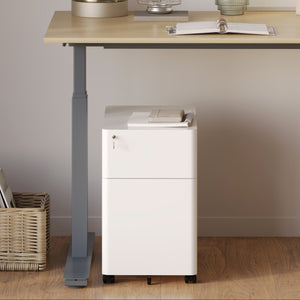







Filing Cabinet Choices for Cleaner Workstation Planning
Cleaner workstation planning starts with filing storage that matches the desk, document volume, security needs, and daily workflow. Explore how cab...
Learn more
Visit quiz page to see how we makes it easy to create an inspiring workplace


Productivity is often associated with discipline, tools, and time management. While these factors matter, there is another element that quietly influences how well people perform at work. Comfort.
A workspace that supports physical comfort can make it easier to focus, think clearly, and stay engaged throughout the day. On the other hand, discomfort creates distractions that slowly reduce productivity. Even small issues such as poor posture, cramped desk space, or improper screen height can affect how efficiently work gets done.
Office furniture plays a central role in shaping this experience. The right desk, chair, and accessories create an environment where employees can work without unnecessary strain. When comfort is prioritized, productivity often follows naturally.
Comfort affects both physical and mental performance. When employees feel comfortable in their workspace, they can focus on tasks instead of adjusting their posture or dealing with discomfort.
Studies on workplace environments, such as this article on the psychology of space, explain how surroundings influence behavior and performance. A well designed office creates a sense of ease that helps people stay focused for longer periods.
Discomfort, even in small forms, can lead to frequent interruptions. Adjusting a chair, repositioning a screen, or shifting to relieve tension may seem minor, but these actions break concentration.
When comfort is built into the workspace, these interruptions are reduced. Employees can remain focused on their work, leading to better efficiency and overall productivity.
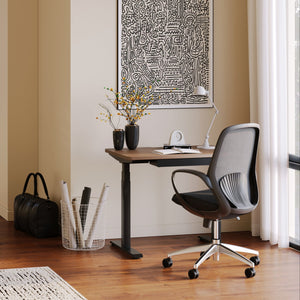
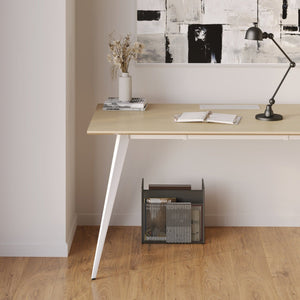
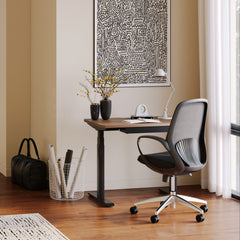
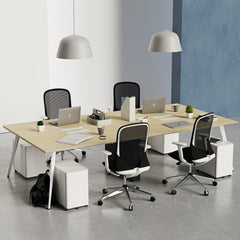
The desk is where most work happens. Its design influences posture, organization, and accessibility.
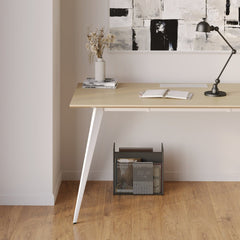
A functional office desk provides enough space for essential tools while maintaining a clean and organized surface.
A comfortable desk setup includes features that support both physical ease and efficient workflow.
Important elements include:
• Adequate surface area for monitors and documents
• Stable construction for daily use
• Proper height alignment for sitting posture
• Layout that allows easy access to tools
These features help create a workspace that feels natural to use.
Employees often spend several hours at their desks. A well designed desk helps reduce strain during these long sessions.
Benefits of a comfortable desk include:
• Reduced shoulder and wrist strain
• Better organization of work materials
• Improved focus due to fewer adjustments
• Consistent workflow throughout the day
A desk that supports comfort becomes a reliable foundation for productivity.
Staying in one position for too long can lead to fatigue and discomfort. Movement helps maintain energy levels and supports overall well-being.
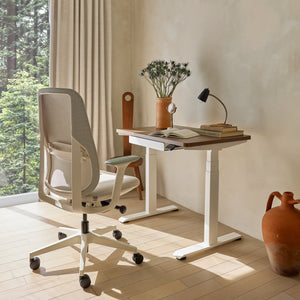
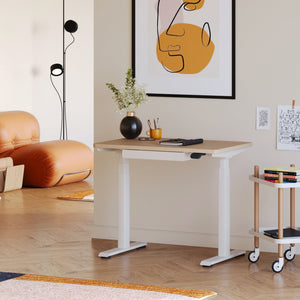
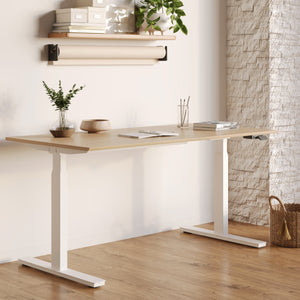
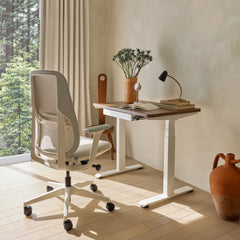
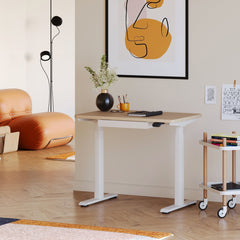
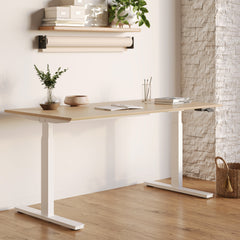
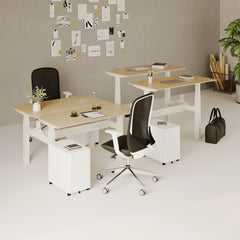
A height adjustable standing desk allows employees to switch between sitting and standing throughout the day.
Alternating positions can improve both physical comfort and mental clarity.
Advantages include:
• Better circulation during long work hours
• Reduced lower back pressure
• Increased alertness
• More dynamic work routine
Different tasks may require different positions. Standing can be useful for quick tasks or meetings, while sitting is often preferred for detailed work.
An adjustable desk allows the workspace to adapt to these needs, helping employees stay comfortable and productive.
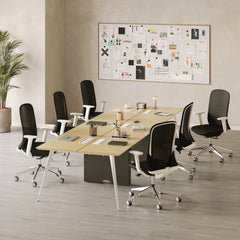
While standing desks add flexibility, sitting remains an essential part of the workday. Long periods of concentration often require stable seating with proper support.
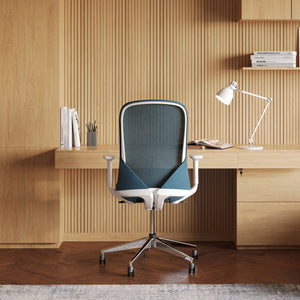
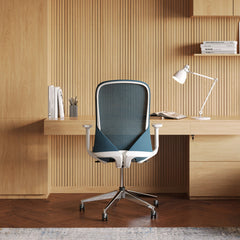
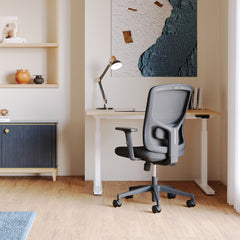
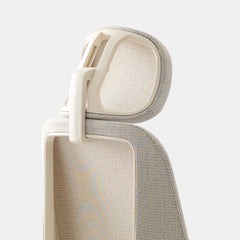
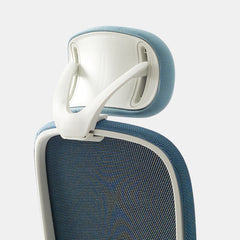
A supportive ergonomic chair helps maintain healthy posture and reduces strain on the back and shoulders. Proper lumbar support ensures that the spine stays aligned during long work sessions.
When seating is comfortable, employees are less likely to shift frequently or experience discomfort that interrupts their focus. This stability allows them to remain engaged with their work for longer periods.
Ergonomic seating is not just about comfort. It is about creating a foundation that supports sustained productivity.
Monitor placement plays a significant role in workplace comfort. A poorly positioned screen can cause neck strain, eye fatigue, and poor posture.
A flexible monitor arm allows employees to adjust their screen height and distance for optimal viewing.
When screens are positioned correctly, employees can work more comfortably.
• Reduced neck and shoulder strain
• Improved posture
• Better viewing angles
• Increased desk space
Proper monitor placement helps reduce visual fatigue, especially during long hours of screen use.
An adjustable setup allows employees to customize their workspace, making it easier to maintain comfort throughout the day.
Comfort should not be treated as an afterthought in office design. It should be integrated into every aspect of the workspace, from furniture selection to layout planning.
Companies that prioritize comfort often see improvements in employee satisfaction and productivity. A comfortable workspace encourages people to stay focused and engaged, while reducing physical strain.
Organizations looking for well designed Office Furniture Los Angeles solutions often consider both functionality and comfort. Furniture that supports posture, movement, and organization helps create an environment where employees can perform at their best.
Comfortable workspaces also contribute to a positive work culture, where employees feel valued and supported.
|
Workspace Element |
Low Comfort Setup |
High Comfort Setup |
|
Desk |
Limited space |
Spacious and organized |
|
Seating |
Basic chair |
Ergonomic support |
|
Monitor Placement |
Fixed position |
Adjustable monitor arm |
|
Movement |
Sitting all day |
Sit and stand flexibility |
|
Overall Experience |
Frequent discomfort |
Consistent comfort |
A workspace that prioritizes comfort creates a better environment for productivity.
A comfortable workspace starts with the basics. The right combination of desk, chair, and accessories can make a significant difference.
Key elements include:
• A stable and spacious desk
• Supportive seating
• Proper monitor positioning
• Organized workspace layout
Reducing strain helps employees stay focused throughout the day.
Strategies include:
• Adjusting chair height to match desk level
• Positioning monitors at eye level
• Keeping frequently used items within reach
• Maintaining proper posture while working
Organization also contributes to comfort. A clutter free workspace feels calmer and easier to navigate.
Tips for maintaining organization include:
• Keeping only essential items on the desk
• Managing cables and accessories
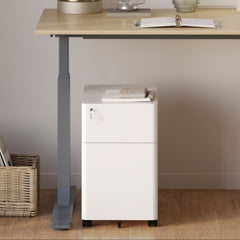
• Using storage solutions for documents
• Maintaining a consistent workspace setup
These small adjustments can significantly improve daily comfort.
Investing in workspace comfort provides long-term benefits for both employees and organizations. Comfortable environments support better posture, reduce physical strain, and improve overall work experience.
Employees who feel comfortable are more likely to stay focused and productive. They are also less likely to experience fatigue that can affect performance over time.
A well designed workspace also contributes to employee satisfaction. When people feel supported by their environment, they are more engaged and motivated in their work.
Comfort is not just a short-term benefit. It is an investment in sustained productivity and well-being.
Creating a comfortable workspace begins with thoughtful design choices. The right furniture can transform how employees experience their workday.
Use this checklist to evaluate your workspace.
• Does your desk provide enough space for your tasks?
• Does your chair support proper posture?
• Is your monitor positioned at eye level?
• Can you switch between sitting and standing?
• Is your workspace organized and easy to use?
When these elements are in place, the workspace becomes a supportive environment that encourages productivity.
Comfort is not something that should be adjusted throughout the day. It should be built into the workspace from the beginning. When furniture supports comfort, employees can focus on what truly matters, doing their best work.


You have unlocked free shipping!
You're saving $29 and unlocked free shipping!
Leave a comment