



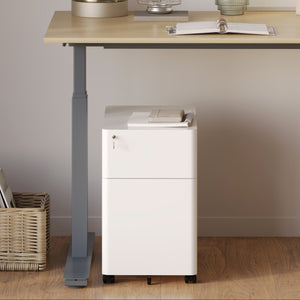






















Filing Cabinet Choices for Cleaner Workstation Planning
Cleaner workstation planning starts with filing storage that matches the desk, document volume, security needs, and daily workflow. Explore how cab...
Learn more
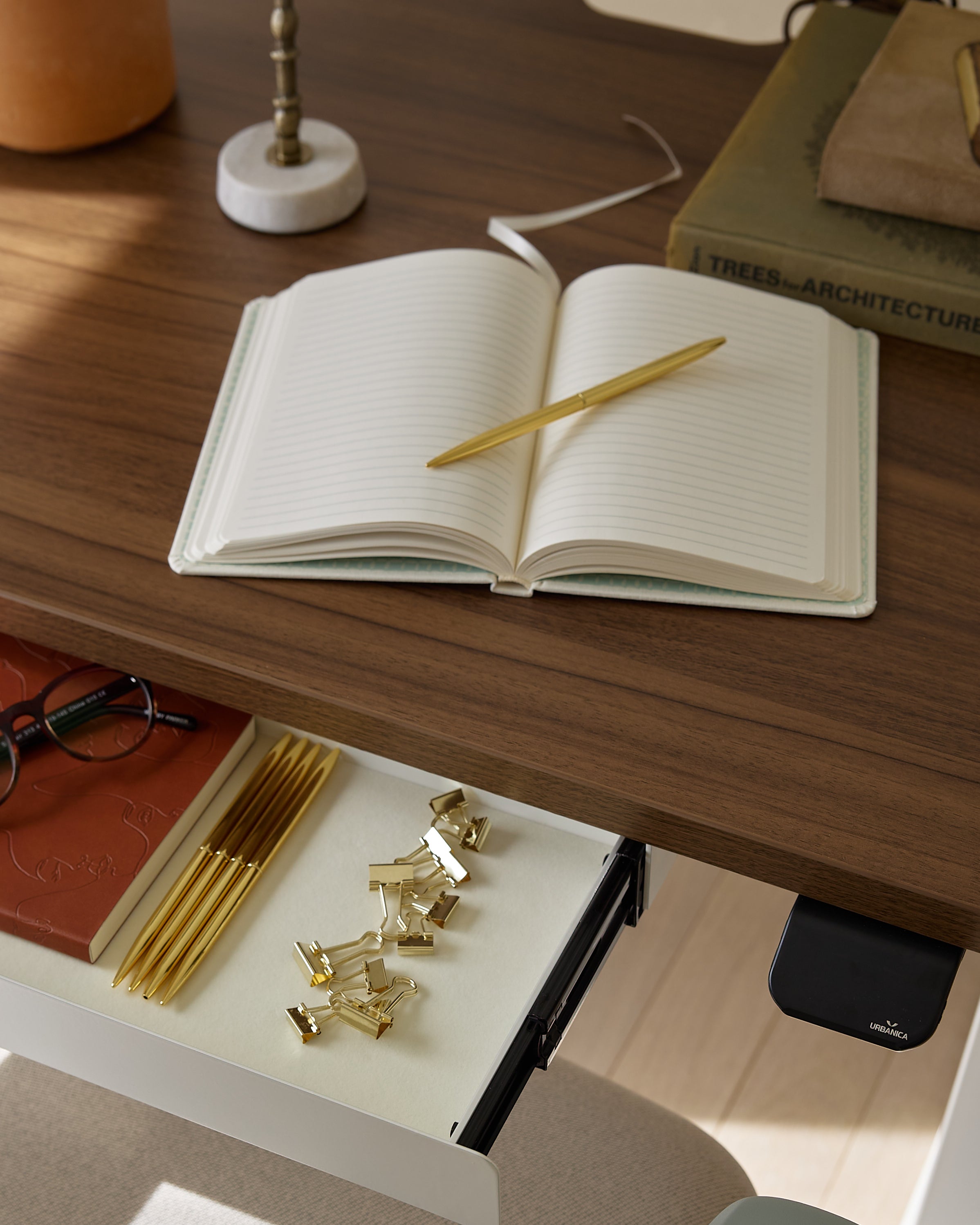
Visit quiz page to see how we makes it easy to create an inspiring workplace


Scandinavian furniture design has quietly shaped modern interiors for decades. It does not shout for attention, yet it consistently feels right in almost any home. Rooted in Nordic culture, this design approach values simplicity, comfort, and practicality without sacrificing beauty. From apartments in busy cities to quiet family homes, Scandinavian furniture continues to gain attention because it fits real life. It supports daily routines, adapts to different spaces, and creates a calm visual rhythm that feels intentional rather than forced.
This lasting appeal comes from a clear philosophy. Scandinavian furniture focuses on function first, uses honest materials, and relies on balanced proportions instead of decoration. The result is furniture that feels light but grounded, stylish yet practical, and timeless rather than trend driven.
Scandinavian furniture design developed in Northern Europe during the early twentieth century, shaped by climate, geography, and social values. Long winters and limited daylight influenced the need for bright interiors, light colors, and furniture that never felt heavy or overwhelming. Homes needed to feel open and warm even when natural light was scarce.
Equally important was the cultural belief that good design should be accessible. Furniture was not meant only for luxury spaces. It was designed for everyday use, with comfort and durability as priorities. This belief still defines Scandinavian interiors today, where each piece serves a purpose and earns its place in the room.
Scandinavian furniture relies heavily on natural wood, particularly lighter varieties such as oak, ash, and birch. These woods brighten interiors and create visual warmth without heaviness. Wood surfaces are often left lightly finished so the grain remains visible, reinforcing a sense of honesty and craftsmanship.
Soft fabrics like wool, cotton, and linen balance the clean lines of wooden frames. These materials add comfort and help prevent minimalist spaces from feeling cold. Instead of glossy finishes, matte textures dominate, creating a softer and more relaxed environment.
Fewer materials reduce visual clutter
Natural finishes age more gracefully
Simple palettes make spaces easier to update
Neutral tones support long term styling flexibility
Scandinavian furniture is built around how people actually live. Storage is discreet, seating is supportive, and surfaces are sized for real tasks. This is why Scandinavian desks and tables often feel comfortable for both work and leisure, adapting easily as needs change.
Rather than adding unnecessary padding or complex shapes, Scandinavian seating relies on thoughtful proportions. Chairs support the body naturally, encouraging better posture without looking technical.
Clean frames reduce visual weight
Gentle curves support movement
Proportions are designed for long sitting sessions
Designs avoid excess adjustments unless necessary
This balance between comfort and appearance makes Scandinavian furniture suitable for modern workspaces, including home offices where visual calm supports focus.
Scandinavian furniture blends easily with many interior themes. It pairs naturally with modern spaces, softens industrial interiors, and brings balance to eclectic homes. Its neutral base allows homeowners to layer color, art, and personal details without overwhelming the room.
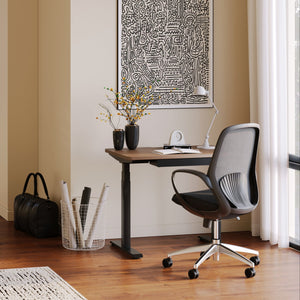
This adaptability explains why pieces like a thoughtfully designed Office Table Los Angeles work well beyond traditional office settings. In Scandinavian inspired interiors, a desk becomes part of the living space rather than a separate, utilitarian object. The furniture supports productivity while maintaining visual harmony.
Modern homes often serve multiple functions. Scandinavian design responds to this by favoring furniture that adapts rather than dominates. Adjustable work surfaces allow users to change posture throughout the day, improving comfort and focus.
Encourages standing and sitting balance
Reduces prolonged strain
Fits users of different heights
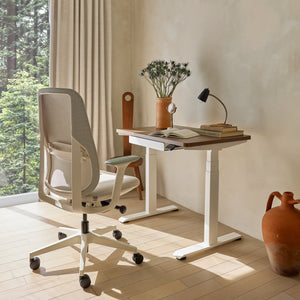
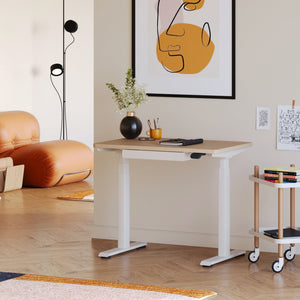
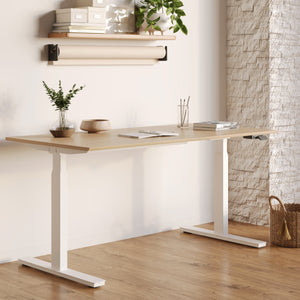
Scandinavian style integrates adjustable features discreetly, allowing a height flexible desk to maintain a clean profile. A well designed standing desk fits seamlessly into Scandinavian interiors because function is integrated into form rather than added as an afterthought.
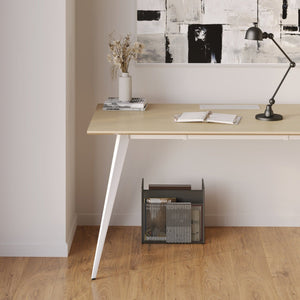
A Scandinavian inspired workspace relies on clarity. The furniture outlines the work zone without enclosing it. Desks feature straight edges and open leg designs, creating visual lightness even in compact rooms.
A streamlined office desk complements this approach by offering sufficient surface area without excess depth or ornamentation. Storage remains minimal, encouraging intentional organization rather than accumulation.
Scandinavian furniture design aligns with research on productivity and wellbeing. Studies on workspace environments show that natural materials, visual simplicity, and ergonomic support contribute to reduced stress and improved focus. These findings reinforce why Scandinavian interiors often feel comfortable for extended work periods.
Research discussing the relationship between workspace design and productivity highlights how uncluttered layouts and supportive furniture encourage sustained attention. This scientific backing explains why Scandinavian inspired offices are common in modern work culture.
Rather than oversized accessories, Scandinavian interiors use targeted support. Small ergonomic additions improve comfort while maintaining visual simplicity.
Reduces shoulder strain
Encourages neutral positioning
Integrates without visual distraction
A minimal ergonomic arm supports daily tasks without altering the clean aesthetic of the workspace. It complements Scandinavian furniture by focusing on comfort without introducing visual noise.
Scandinavian chairs are often the visual anchor of a room. Their shape balances structure and softness, making them suitable for long sitting sessions without looking bulky.
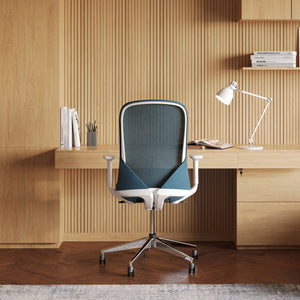
A well designed ergonomic chair fits naturally into Scandinavian interiors because it emphasizes comfort through form rather than complex mechanisms. Neutral colors and clean silhouettes allow the chair to blend with the space while still offering essential support.
|
Design Aspect |
Scandinavian |
Industrial |
Traditional |
|
Visual Weight |
Light and balanced |
Heavy and bold |
Ornate and layered |
|
Materials |
Wood, fabric, matte finishes |
Metal, concrete, raw textures |
Dark wood, rich fabrics |
|
Function Focus |
High |
Moderate |
Moderate |
|
Adaptability |
Very flexible |
Style specific |
Less flexible |
This comparison highlights why Scandinavian furniture remains versatile across changing trends and living needs.
Scandinavian furniture is designed to last visually. Rather than replacing large pieces, homeowners can refresh spaces through small changes such as textiles, lighting, or wall art.
Neutral colors reduce visible wear
Natural materials age gracefully
Simple forms avoid looking outdated
This long term adaptability makes Scandinavian furniture a practical investment for evolving homes.
Scandinavian furniture remains popular because it respects how people live. It balances beauty with usability, supports comfort without excess, and adapts to different spaces with ease. Instead of chasing trends, it relies on timeless principles that remain relevant as lifestyles change.
Before choosing your next furniture piece, consider these essentials:
Does it support daily comfort
Can it adapt as your needs change
Does it maintain visual balance
Will it still feel relevant years from now
Scandinavian furniture answers yes to each of these questions, which is why it continues to shape interiors across the world.


You have unlocked free shipping!
You're saving $29 and unlocked free shipping!
Leave a comment