



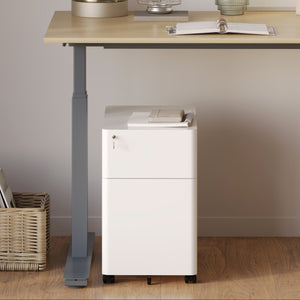






















Filing Cabinet Choices for Cleaner Workstation Planning
Cleaner workstation planning starts with filing storage that matches the desk, document volume, security needs, and daily workflow. Explore how cab...
Learn more
Visit quiz page to see how we makes it easy to create an inspiring workplace


Furniture isn’t just about comfort or utility. Every piece you choose sends a subtle message about your tastes, lifestyle, and even your social standing. From your choice of office desks to chairs and décor accents, furniture can convey authority, sophistication, and attention to detail. Understanding how furniture signals status can help you curate a space that impresses visitors, enhances productivity, and aligns with your personal or professional image. The right selection combines functionality, design, and strategic placement, making your home or office a silent but powerful communicator of success.
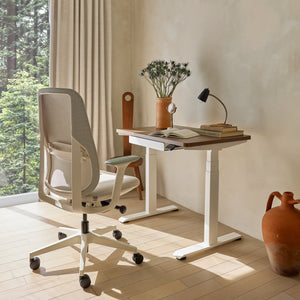
Furniture influences perceptions in ways many people underestimate. Humans naturally associate certain materials, colors, and styles with wealth and competence. For example, leather chairs are often linked with executive offices, while sleek wooden desks suggest stability and timelessness. Investing in well-crafted furniture communicates that you value quality and attention to detail. By strategically choosing items that exude professionalism and comfort, you can shape how colleagues, clients, and guests perceive you. Even a small adjustment, like placing a Small Standing Desk Los Angeles in your workspace, can signal productivity and modern sensibility.
Opting for substantial desks communicates authority.
Materials like solid wood, polished metal, or tempered glass suggest permanence.
Ergonomic chairs with clean lines offer both comfort and sophistication.
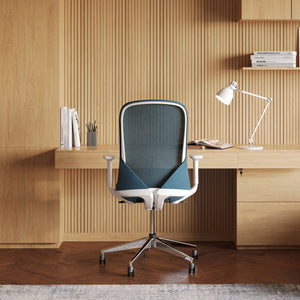
A chair like the ergonomic office chair subtly elevates status while enhancing posture.
Accessories like bookshelves, lighting, and storage solutions add cohesion.
Matching furniture creates an impression of deliberate, high-end choices.
Mahogany, oak, or walnut desks symbolize longevity and taste.
They withstand years of use, reinforcing a sense of stability.
Leather office chairs are associated with prestige and professionalism.
Combining leather with polished wood surfaces strengthens the visual impact.
Brushed steel or glass accents signal modernity and minimalistic elegance.
Such choices appeal to clients and visitors who value contemporary design.
Color communicates personality and intent. Deep, rich hues like navy, forest green, and burgundy convey sophistication and calm authority. Lighter neutrals—beige, gray, or taupe—promote elegance and refinement while keeping spaces feeling open. Incorporating a mix of these palettes in furniture, walls, and décor pieces ensures your environment communicates balanced professionalism and style.
Items like standing desks demonstrate forward-thinking work habits.
Flexibility in workspace design reflects innovation and adaptability.
Armrests, monitor stands, and specialized seating improve comfort.
A high-quality ergonomic arm signals that you prioritize health and efficiency.
Efficient storage avoids clutter and maintains a professional look.
Filing cabinets and shelving units contribute to a polished, organized environment.
Displaying Status Through Minimalism
Minimalism communicates discernment and taste. Avoid overcrowding rooms; instead, focus on fewer, higher-quality items. Each piece should have a purpose and contribute visually. Minimalist furniture, like clean-lined desks and streamlined chairs, signals confidence and intentionality. By emphasizing open space, you allow your furniture to speak louder without overwhelming your visitors.
|
Room Type |
Key Furniture Items |
Status Indicators |
Suggested Materials |
|
Office |
Desk, ergonomic chair |
Productivity, authority |
Solid wood, leather |
|
Living Room |
Sofa, coffee table |
Taste, hospitality |
Natural fibers, metals |
|
Dining Room |
Table, chairs |
Formality, social sophistication |
Hardwood, glass |
|
Bedroom |
Bed frame, dresser |
Personal luxury |
Wood, quality textiles |
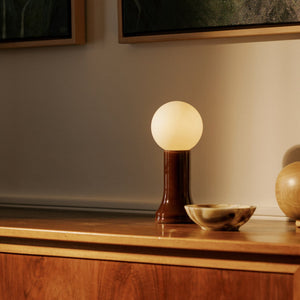
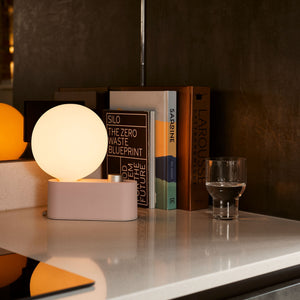
Modern or classic lamps enhance both aesthetics and usability.
Positioning them strategically draws attention to key furniture pieces.
Quality rugs define areas and complement furniture colors.
Textures signal tactility and attention to detail.
Carefully chosen artwork reinforces personality and sophistication.
Complementary furniture maintains visual balance.
Consistency across your home or office suggests strategic thinking and attention to design. Use similar materials, colors, or themes in adjoining rooms. For example, if your office has a polished wooden desk, extending similar wood tones into a living space or meeting area creates continuity and an impression of intentionality.
Smart furniture enhances status by demonstrating technological savviness. Desks with cable management, chairs with built-in adjustments, and workstations optimized for digital use highlight efficiency. Integrating technology without clutter reinforces professionalism and high standards.
Furniture should match room size to avoid appearing cramped or disproportionate. Large rooms benefit from statement pieces, while smaller areas call for multifunctional furniture that doesn’t overwhelm. Proper scale indicates sophistication, awareness, and intentional design choices.
Higher-end furniture often requires a larger upfront investment but communicates longevity and discernment. Prioritizing a few exceptional pieces over many average ones reinforces status and demonstrates refined judgment.
Choosing sustainably sourced or ethically crafted furniture reflects awareness and social responsibility. Modern buyers and visitors notice eco-conscious decisions, which can subtly boost perceived status while contributing positively to the environment.
Furniture should never sacrifice comfort for aesthetics. Combining ergonomic designs with luxurious materials, such as a polished desk with a supportive ergonomic chair, ensures your space remains inviting while signaling authority.
Where you place furniture affects perception. Desks facing the room’s entrance convey confidence, seating near natural light promotes openness, and central placement of statement pieces draws attention. Thoughtful placement shows awareness and strategic intent, making your environment a silent communicator of success.
Final Checklist for Status-Enhancing Furniture
Invest in high-quality, visually impactful pieces.
Balance aesthetics with functionality and comfort.
Use materials and colors that communicate sophistication.
Ensure cohesion across spaces.
Incorporate ergonomics and technology.
Consider sustainability and social impact.
Arrange furniture thoughtfully to highlight key areas.


You have unlocked free shipping!
You're saving $29 and unlocked free shipping!
Leave a comment