



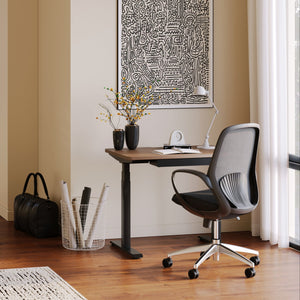
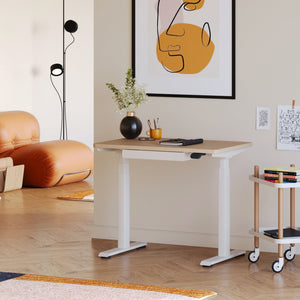
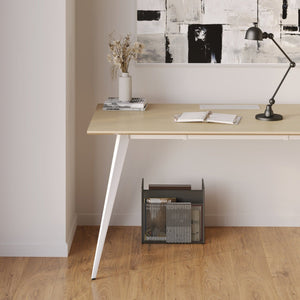
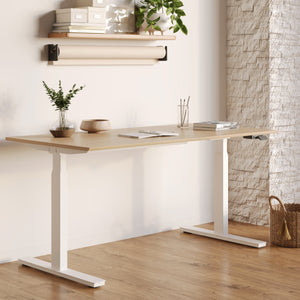

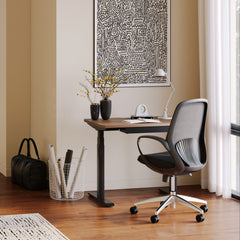
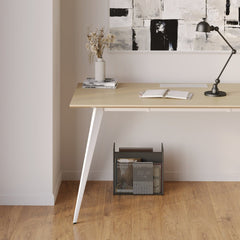
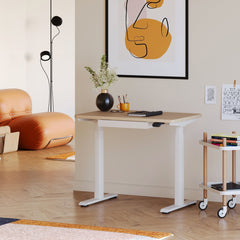

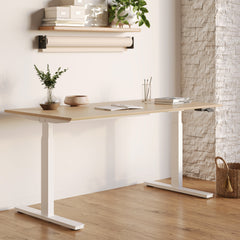

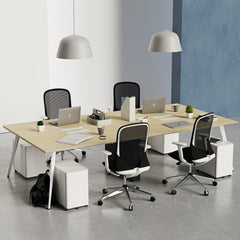
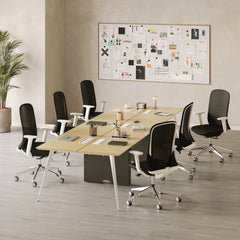


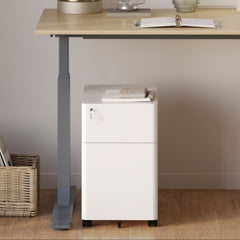


Filing Cabinet Choices for Cleaner Workstation Planning
Cleaner workstation planning starts with filing storage that matches the desk, document volume, security needs, and daily workflow. Explore how cab...
Learn more
Visit quiz page to see how we makes it easy to create an inspiring workplace


Deep focus work is not just about willpower. It is about the environment. When your workspace is laid out intentionally, focus feels easier to access and harder to lose. The placement of furniture, the flow of movement, and how your body is supported all influence how long you can concentrate without mental fatigue. This guide explains how to design the best furniture layout for deep focus work, so your space supports sustained attention instead of quietly pulling it apart.
Many people assume focus problems come from distractions alone. In reality, the physical layout of a workspace plays a major role. When furniture placement forces constant adjustment, the brain stays partially alert to discomfort. Shifting posture, reaching awkwardly, or navigating clutter interrupts concentration.
A layout designed for focus reduces these interruptions. When everything has a place and the body feels supported, attention can settle into work for longer periods without effort.
Deep focus thrives in predictable environments. A single, clearly defined work zone helps the brain associate that area with concentration. Furniture placement is key to creating this signal.
Effective focus-friendly layouts include:
a dedicated desk positioned away from high-traffic areas
consistent placement of tools and screens
minimal items on the primary work surface
seating that encourages upright posture
For professionals sourcing locally, Office Furniture California solutions that support clean layouts and functional zoning can help create a space designed for sustained focus.
The position of your desk affects how often your attention is pulled away. Facing busy areas, windows with constant motion, or doorways increases mental interruptions. Placing the desk so your primary view is calm helps maintain concentration.
A well-designed office desk with enough surface area allows you to keep essential tools visible without clutter, supporting smoother cognitive flow.
Deep focus does not mean staying perfectly still. In fact, static sitting often leads to discomfort that breaks concentration. The goal is to allow movement without forcing mental resets.
Furniture that supports subtle posture changes allows the body to adjust while the mind stays engaged.
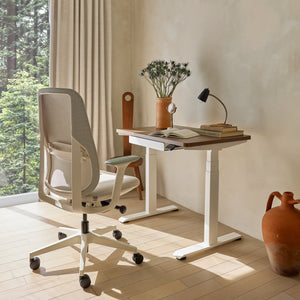
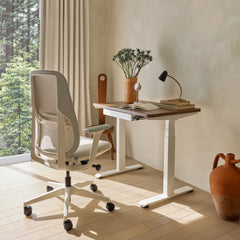
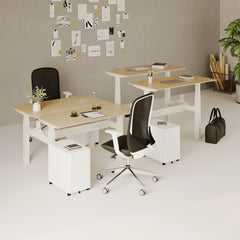
Alternating between sitting and standing helps maintain circulation and alertness. A workspace that supports both allows you to adapt your posture without interrupting focus.
Benefits of a sit-stand layout include:
reduced physical fatigue
improved blood flow
steadier energy levels
fewer mid-session breaks
A thoughtfully integrated standing desk allows position changes without disrupting workflow.
Focus-friendly layouts are supported by research. Studies on the science of office productivity design show that environments supporting posture, movement, and visual order significantly improve sustained attention.
When furniture layout reduces friction, the brain spends less energy managing discomfort and more energy on complex tasks.
|
Furniture Element |
Layout Role |
Focus Benefit |
Best Use |
|
Desk |
Anchor zone |
Task clarity |
Deep work |
|
Adjustable desk |
Movement |
Sustained attention |
Long sessions |
|
Supportive chair |
Seating |
Reduced fatigue |
Focused tasks |
|
Arm support |
Upper body stability |
Fewer distractions |
Typing work |
When arms and shoulders lack support, tension builds gradually. This tension often goes unnoticed until focus drops. Adding ergonomic arm support helps stabilize the upper body, allowing attention to remain on work rather than discomfort.
Focus-supportive setups often include:
relaxed shoulder positioning
neutral wrist alignment
consistent arm support
stable seating posture
A chair that fails to support posture pulls attention away from work. As fatigue builds, posture collapses and concentration suffers.
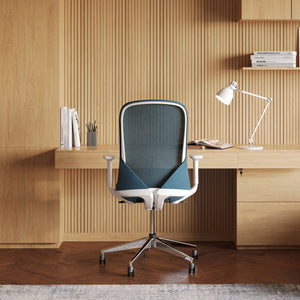
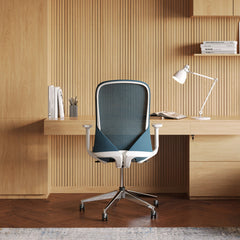
A supportive ergonomic chair adapts as posture shifts throughout the day, helping maintain comfort and focus during extended work sessions. When seating works properly, it fades into the background and lets the mind stay engaged.
Deep focus is not accidental. It is designed. When furniture layout supports posture, movement, and visual calm, focus becomes easier to access and maintain.
Before finalizing your layout, use this checklist:
Is your desk positioned away from distractions?
Does the layout support consistent posture?
Can you move without breaking focus?
Is visual clutter minimized?
Does the space signal “focus” clearly?
When furniture layout works with your brain and body, deep focus stops feeling forced and starts feeling natural.
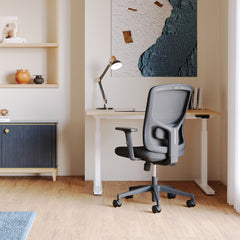
Even when furniture technically fits a room, visual weight can quietly affect focus. Heavy-looking pieces, bulky legs, or oversized surfaces create a sense of pressure that the brain registers as clutter, even when the space is tidy. Deep focus thrives in environments that feel visually balanced and calm.
Lighter visual profiles help the mind relax into work. Slim frames, open leg designs, and clean edges reduce subconscious stress. When furniture feels proportionate, your brain spends less energy processing the room and more energy staying engaged with the task at hand.
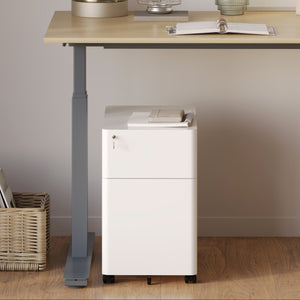
Where storage lives in your layout matters just as much as having storage at all. Items stored too far away interrupt focus through constant movement. Items stored too close can crowd your primary work zone.
The most effective layouts place storage within arm’s reach but outside the immediate visual field. This keeps essential tools accessible without pulling attention away from your screen or work surface. When storage placement is intentional, transitions between tasks feel smoother and less mentally taxing.
Your brain responds to environmental cues faster than conscious thought. When furniture placement stays consistent, your workspace becomes a signal. Sitting down automatically tells your brain it is time to focus.
Strong deep-work layouts share a few traits:
a clear boundary between work and non-work areas
consistent desk and chair positioning
minimal furniture changes during the workday
predictable movement patterns
Over time, this consistency trains your brain to enter focus more quickly, reducing the time it takes to settle into meaningful work.


You have unlocked free shipping!
You're saving $29 and unlocked free shipping!
Leave a comment