



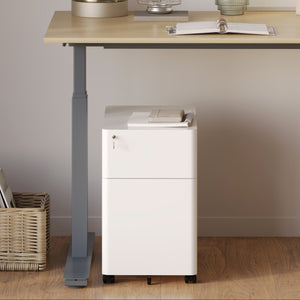






















Filing Cabinet Choices for Cleaner Workstation Planning
Cleaner workstation planning starts with filing storage that matches the desk, document volume, security needs, and daily workflow. Explore how cab...
Learn more
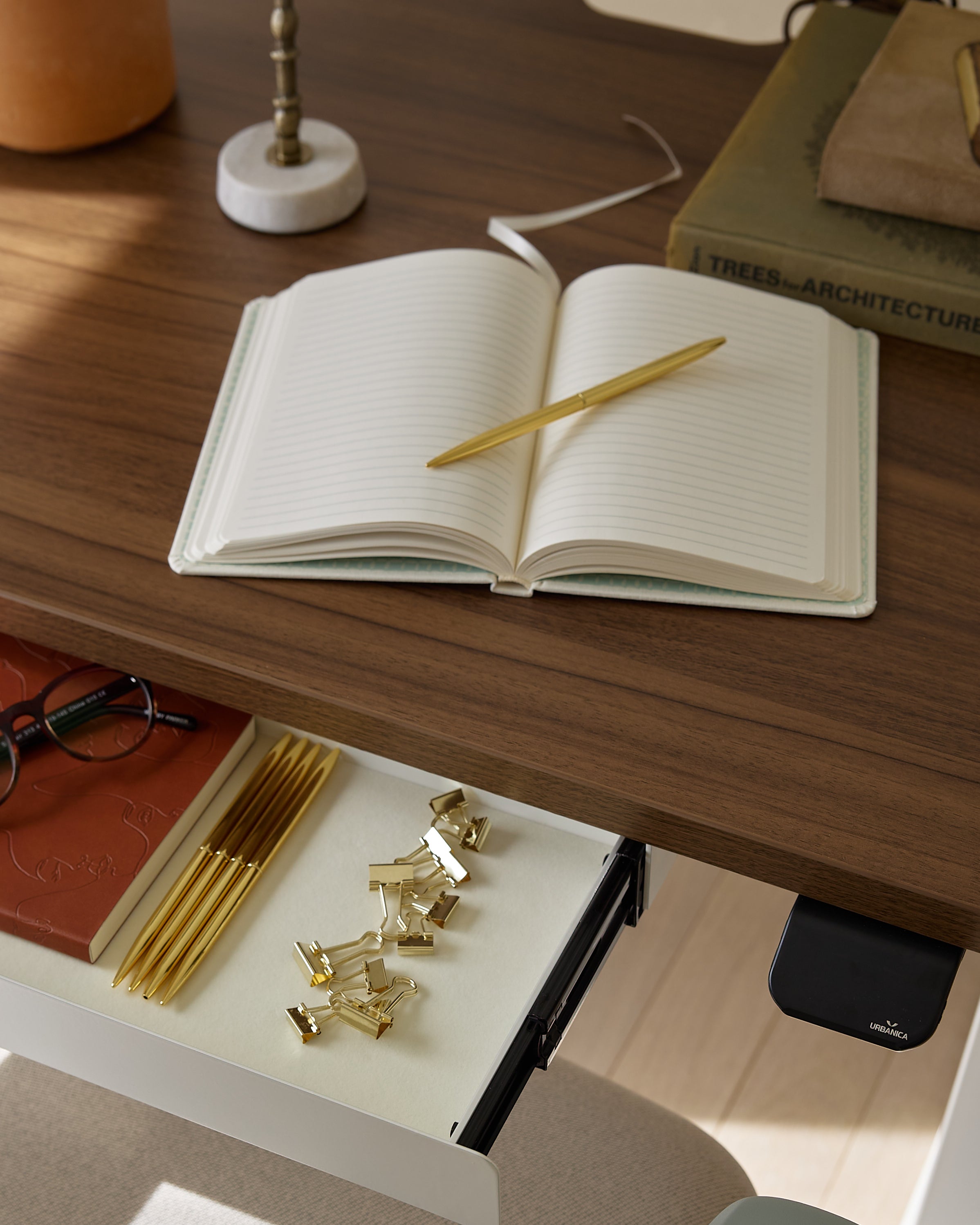
Visit quiz page to see how we makes it easy to create an inspiring workplace


Working from home has become a permanent part of modern life for many people. While remote work offers flexibility and convenience, it has also revealed a common problem. Many home offices were not originally designed for long hours of focused work.
Kitchen tables, temporary desks, and improvised workstations often become permanent setups. Over time, these arrangements can create discomfort, clutter, and reduced productivity. Small design mistakes may seem harmless at first, but they gradually affect posture, concentration, and daily efficiency.
Furniture plays a crucial role in shaping the quality of a home workspace. The right desk height, seating support, and monitor placement can dramatically change how comfortable and productive a workday feels.
Understanding the most common work-from-home furniture mistakes helps people create spaces that support both comfort and performance.
One of the most common mistakes in home offices is relying on temporary furniture for long-term work. Many people start working at dining tables, kitchen counters, or small side tables because they are convenient.
However, these surfaces rarely support proper posture or organization. Over time, the lack of a dedicated workspace can lead to discomfort and poor productivity.
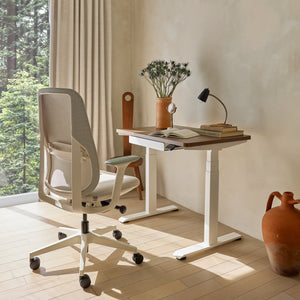
A properly designed Office Desk California setup helps establish a consistent and functional work environment. When a desk is designed for productivity, it provides enough space for essential tools while maintaining comfort during long work sessions.
Dedicated work furniture helps:
Improve posture during daily tasks
Keep work materials organized
Separate work life from home life
Reduce distractions in shared spaces
A stable and supportive desk is the foundation of a productive home office.
Another common mistake is remaining seated for long periods without movement. Traditional home workspaces often encourage hours of continuous sitting.
A modern standing desk introduces flexibility into a workspace. Being able to switch between sitting and standing helps reduce fatigue and maintain energy throughout the day.
Benefits include:
Reduced lower back pressure
Improved circulation
Greater physical comfort during long tasks
Furniture that supports movement allows workers to adjust their posture naturally throughout the day. Alternating positions keeps muscles engaged and prevents stiffness from building up.
An adjustable workspace promotes healthier work routines.
Small desks or makeshift tables often lead to overcrowded work surfaces. When there is not enough room for monitors, keyboards, and notebooks, the workspace quickly becomes cluttered.
A properly sized office desk helps maintain a clean and organized environment.
Helpful workspace strategies include:
Keeping essential tools within reach
Maintaining open desk space for active work
Avoiding overcrowded surfaces
When a desk surface remains clear and organized, the workspace feels more professional and less stressful. A balanced layout supports both productivity and visual comfort.
Desk size plays a larger role in productivity than many people realize.
Furniture does more than provide physical support. It also influences mood, focus, and motivation.
Research on workspace psychology shows that well-designed environments can positively influence behavior and productivity.
An organized workspace helps workers:
Maintain concentration
Feel more motivated during tasks
Reduce visual distractions
Furniture placement, lighting, and layout all contribute to how comfortable and productive a workspace feels.
Many home workspaces place monitors directly on the desk surface. This positioning often forces workers to tilt their heads downward.
Using a monitor arm helps elevate screens to a comfortable height while freeing valuable desk space.
Advantages include:
Improved viewing angles
Reduced neck and shoulder tension
More organized work surfaces
Elevated screens also create additional space beneath the monitor for accessories or documents. This small change can make a workspace feel cleaner and more professional.
Proper screen placement improves both posture and focus.
Seating quality often determines how comfortable a workspace feels after several hours of work. Many home offices rely on dining chairs or outdated seating that lacks proper support.
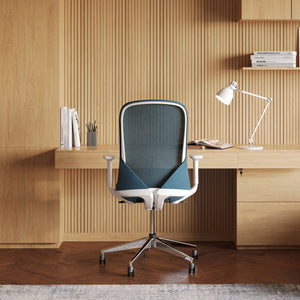
A supportive ergonomic office chair helps maintain natural spinal alignment and reduces pressure on the lower back.
Ergonomic seating provides:
Adjustable lumbar support
Balanced weight distribution
Increased comfort during long work sessions
Investing in proper seating significantly improves daily work comfort.
|
Mistake |
Result |
Better Solution |
|
Using dining tables for work |
Poor posture |
Dedicated desk |
|
Sitting all day |
Fatigue and stiffness |
Adjustable desk |
|
Limited desk space |
Cluttered surfaces |
Functional desk layout |
|
Low monitor height |
Neck strain |
Monitor arm |
|
Poor seating support |
Back discomfort |
Ergonomic chair |
Correcting these mistakes can greatly improve both comfort and productivity.
Some home offices include too many furniture pieces. Shelves, tables, and decorative items can quickly crowd a workspace.
A productive workspace typically includes:
A functional desk
Comfortable seating
Organized monitor placement
Limiting unnecessary furniture helps maintain a cleaner environment.
When a workspace has enough open space, it feels less stressful and more comfortable to work in. Minimal layouts support both concentration and productivity.
Organization is often overlooked in home workspaces. Over time, papers, cables, and accessories accumulate across the desk surface.
A well-organized workspace helps maintain focus and reduces distractions. Keeping frequently used tools within reach prevents unnecessary interruptions during work.
Simple habits like clearing the desk at the end of each day help maintain a clean and productive environment.
Improving a home office does not require a complete redesign. Small furniture adjustments can make a significant difference.
Use this checklist to improve your workspace:
Choose a dedicated desk designed for work
Use adjustable desks to encourage movement
Maintain enough surface space for daily tasks
Position monitors at eye level
Invest in ergonomic seating
Keep work surfaces organized
Avoid overcrowding the workspace
Maintain open walking space around the desk
Reduce visual clutter
Reevaluate workspace comfort regularly
A home office should support productivity rather than create obstacles. When furniture is chosen carefully and arranged thoughtfully, working from home becomes far more comfortable and efficient.


You have unlocked free shipping!
You're saving $29 and unlocked free shipping!
Leave a comment