















The Furniture That Defines Your Home

Walk into any home and you can sense its personality within seconds. Some spaces feel calm and structured. Others feel creative and energetic. Some homes feel polished and professional, while others feel relaxed and casual. That feeling rarely comes from paint color alone. It comes from furniture.
Furniture determines how rooms function, how people move, and how daily routines unfold. The scale, materials, layout, and flexibility of your pieces shape the identity of your home more than any accessory ever could. When chosen intentionally, furniture becomes the foundation of your home’s personality.
Furniture as the Voice of Your Home
Furniture speaks before you do. A clean-lined workspace suggests focus and efficiency. A compact setup signals intentional living. A large statement desk communicates ambition and structure.
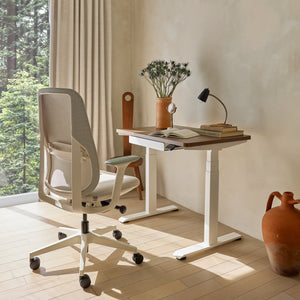
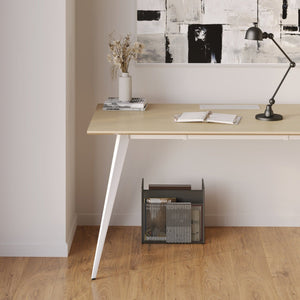
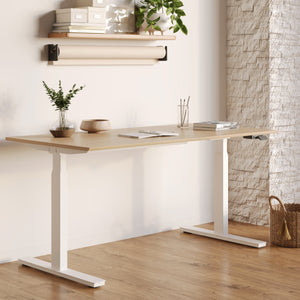
Choosing pieces such as an Office Table California instantly defines how a room is used and perceived. A well-proportioned table can transform a spare room into a productive office or elevate a shared space into a multifunctional hub.
Think about what your furniture communicates:
-
Is your layout open or enclosed?
-
Do surfaces feel minimal or layered?
-
Does your space encourage collaboration or quiet focus?
-
Is comfort prioritized alongside structure?
Each decision contributes to the personality of your home.
Function Creates Identity
Style is important, but functionality ultimately shapes character.
How Workspaces Influence Atmosphere
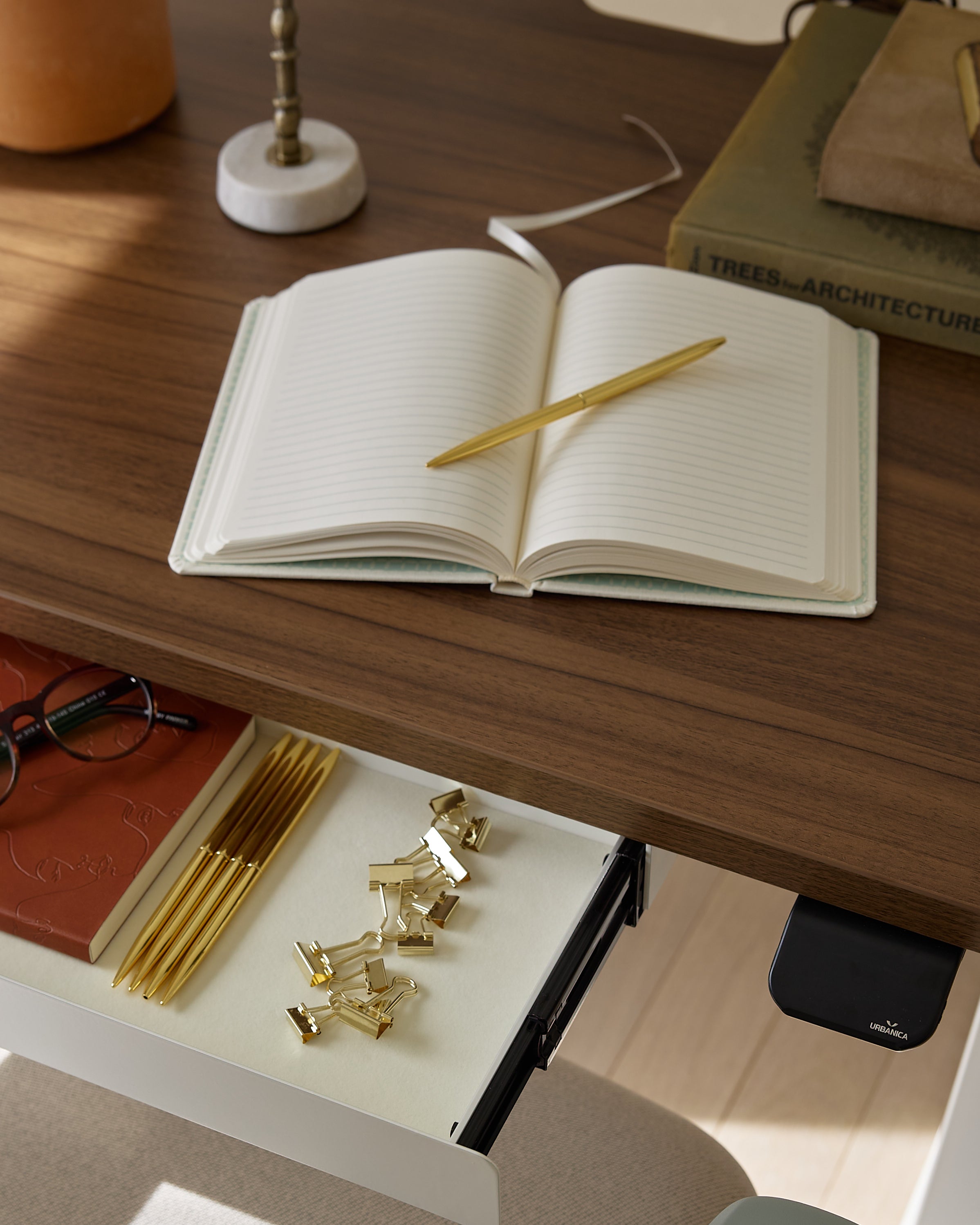
A thoughtfully selected office desk does more than hold equipment. It establishes rhythm and order.
Signs of a Structured Personality
-
Clear desk surfaces
-
Strong, stable construction
-
Defined work zones
-
Balanced proportions
Signs of a Flexible Personality
-
Adjustable layouts
-
Multi-purpose surfaces
-
Compact footprint
-
Easily reconfigurable pieces
When furniture supports your daily habits, your home reflects confidence and clarity.
Movement and Energy in Design
Static spaces often feel rigid. Flexible spaces feel dynamic.
Adjustable Furniture as a Personality Statement
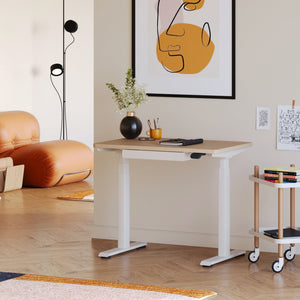
An adaptable standing desk introduces movement into a room. It signals energy and adaptability.
What Movement Communicates
-
Openness to change
-
Emphasis on health
-
Active work style
-
Modern sensibility
Integrating Flexibility Into Design
-
Alternate between sitting and standing
-
Keep pathways clear
-
Avoid overcrowding the desk area
-
Pair adjustable elements with stable anchors
Rooms that incorporate movement feel alive and intentional.
The Psychology Behind Interior Personality
Research such as this psychology of space study explains how interior design influences mood and behavior. Furniture arrangement affects how relaxed, focused, or creative you feel.
Open layouts with streamlined furniture encourage clarity. Overcrowded spaces may create stress. Thoughtful spacing improves emotional comfort.
Your furniture choices influence not only how your home looks but how it feels every day.
Seating and Emotional Comfort
Chairs often shape the emotional tone of a room.
Comfort as a Reflection of Hospitality
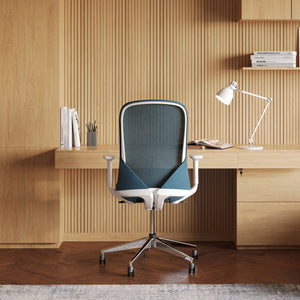
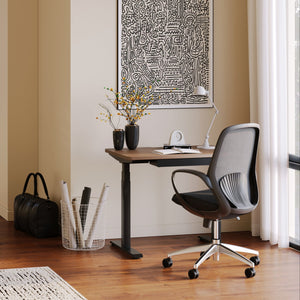
A supportive ergonomic chair communicates that comfort matters.
What Supportive Seating Says About Your Home
-
You value well-being
-
You prioritize productivity
-
You encourage long conversations or focused sessions
-
You understand the importance of posture
How to Balance Comfort and Style
-
Choose breathable materials
-
Adjust lumbar support properly
-
Align seating with desk height
-
Maintain clean, uncluttered surroundings
Comfort and personality are closely connected.
Technology Integration and Modern Character
Technology plays a central role in modern homes. How you integrate it influences your home’s identity.
An adjustable ergonomic arm lifts monitors and frees desk space. This not only improves posture but also creates a cleaner visual line.
A well-integrated setup signals organization and modern awareness. Visible cable clutter or cramped surfaces, on the other hand, may disrupt the aesthetic flow.
Smart technology placement enhances the personality of your home rather than distracting from it.
Personality Comparison Table
|
Furniture Choice |
Personality Trait Communicated |
Impact on Atmosphere |
|
Minimal Office Desk |
Focused and organized |
Calm and structured |
|
Adjustable Desk |
Dynamic and adaptable |
Energetic and flexible |
|
Ergonomic Chair |
Comfort-oriented |
Supportive and inviting |
|
Elevated Monitor |
Efficient and modern |
Clean and professional |
|
Compact Table |
Intentional living |
Balanced and practical |
Each selection subtly defines the character of your space.
Layout Shapes Social Interaction
Furniture placement affects how people interact within a room.
Creating Flow Through Arrangement
The arrangement of desks and tables influences communication and movement.
Encouraging Collaboration
-
Position desks to allow conversation
-
Keep open pathways
-
Balance seating distances
-
Maintain shared surfaces
Encouraging Focus
-
Face desks toward calm views
-
Minimize visual distractions
-
Separate work zones from leisure zones
-
Use lighting strategically
Layout decisions directly affect social and personal energy.
Evolving Personality Over Time
Homes are not static. As careers evolve and routines change, furniture may shift to reflect new priorities. A workspace may expand. A shared study zone may become a dedicated office.
Reevaluate your furniture periodically. Ask whether it still reflects who you are and how you live. Adjusting layout, upgrading seating, or integrating flexible elements can refresh your home’s identity without a complete redesign.
Your home’s personality should grow alongside you.
Materials and Finishes That Define Character
Beyond layout and function, the materials and finishes you choose dramatically influence the personality of your home. Texture, color, and surface quality communicate subtle messages about your style and priorities.
The Emotional Impact of Materials
Different materials evoke different feelings. Smooth surfaces often feel modern and precise. Natural textures feel warm and grounded. Balanced finishes create harmony between professionalism and comfort.
What Surface Choices Communicate
-
Clean matte finishes suggest simplicity and focus
-
Wood tones add warmth and approachability
-
Metal accents reflect structure and durability
-
Neutral palettes create calm and clarity
These elements work together to shape how guests and family members experience your space.
Creating Cohesion Through Finish Selection
-
Maintain consistent tones across desks and tables
-
Avoid mixing too many contrasting textures
-
Pair structured surfaces with comfortable seating
-
Use lighting to highlight material quality
When materials align with your lifestyle, the overall personality of your home feels intentional rather than accidental.
Furniture is not only about form and function. It is about atmosphere. Choosing finishes thoughtfully ensures that your home expresses who you are in a subtle yet powerful way.
Design With Intention, Live With Confidence
Furniture defines more than physical space. It defines atmosphere, energy, and identity.
Use this checklist to shape your home’s personality intentionally:
-
Choose furniture that reflects your daily habits
-
Prioritize both form and function
-
Integrate adjustable elements for flexibility
-
Maintain organized surfaces
-
Align seating with ergonomic support
-
Position furniture to encourage flow
-
Balance openness with structure
-
Elevate technology for clean design
-
Reevaluate layout as routines evolve
-
Select durable materials for lasting identity
When furniture aligns with who you are, your home feels authentic and grounded. Every table, desk, and chair contributes to a cohesive personality that supports both comfort and productivity. Thoughtful choices transform rooms into spaces that truly represent you.
Leave a comment