






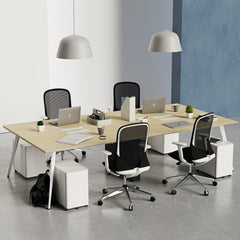
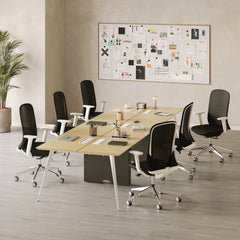


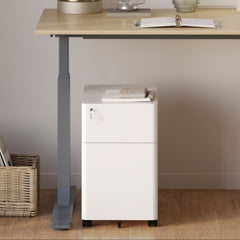


Filing Cabinet Choices for Cleaner Workstation Planning
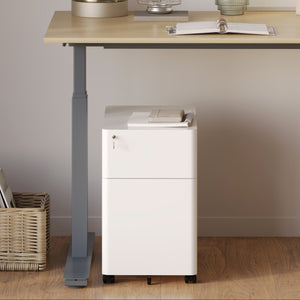
Cleaner workstation planning starts with filing storage that matches the desk, document volume, security needs, and daily workflow. Explore how cab...
Learn more
Visit quiz page to see how we makes it easy to create an inspiring workplace


A clean and organized workspace is often associated with productivity and focus. However, organization is not just about tidying up or keeping things in place. It starts with the foundation of the workspace itself, which is the furniture.
Without the right furniture, even the most disciplined individuals struggle to maintain order. Desks become cluttered, cables get tangled, and important tools are misplaced. On the other hand, thoughtfully designed furniture naturally supports organization by giving every item a proper place.
Choosing functional Office Furniture California solutions can transform a workspace into an environment that feels structured and easy to manage. When furniture supports organization, maintaining a clean workspace becomes effortless.
A well-organized workspace is not just visually appealing. It directly impacts how efficiently tasks are completed and how easily individuals can focus throughout the day.
Organization begins with structure, and structure is defined by furniture. The desk, chair, and supporting accessories determine how a workspace is used and how easily items can be managed.
A poorly designed workspace often lacks clear zones for different tasks. This leads to clutter because there is no designated place for tools, documents, or equipment. Over time, this lack of structure creates confusion and reduces productivity.
In contrast, well-designed furniture introduces order. A functional desk provides enough surface area for work while offering storage options for organizing materials. When everything has a place, it becomes easier to maintain a clean and efficient workspace.
Furniture also influences how people interact with their environment. When the workspace feels structured, individuals are more likely to follow organized habits.
The right furniture does not just support work. It supports the systems that keep work organized.
Flexible furniture allows workspaces to adapt to different tasks without becoming disorganized.
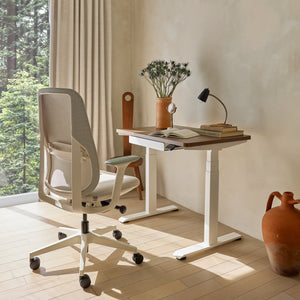
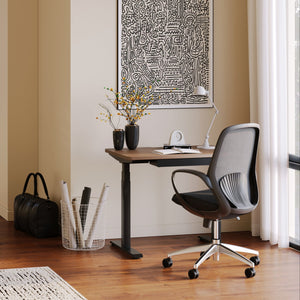
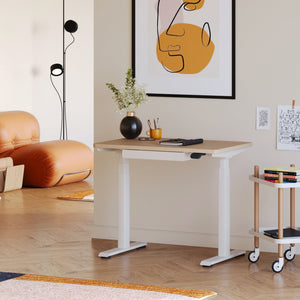
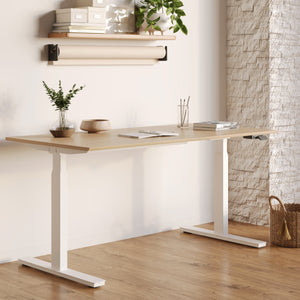
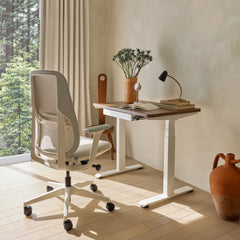
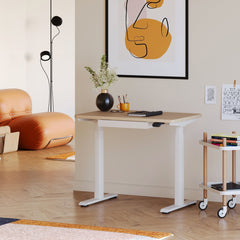
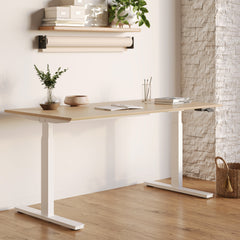
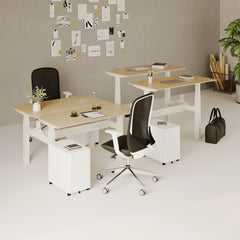
An adjustable standing desk supports both sitting and standing positions, which helps maintain energy and organization throughout the day.
Benefits include:
• Encouraging movement between tasks
• Preventing clutter from building up in one position
• Supporting different work styles
• Improving overall workspace flexibility
When furniture adapts to daily needs, it reduces the likelihood of overcrowding and disorganization. Flexible workstations allow users to adjust their setup without adding unnecessary items.
The desk is the central point of any workspace. Its design directly affects how organized the environment feels.
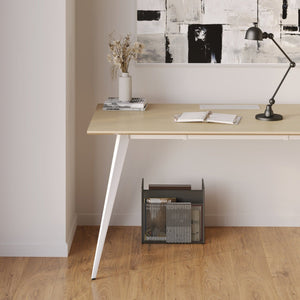
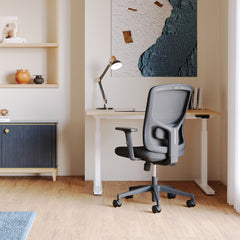
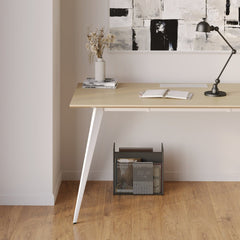
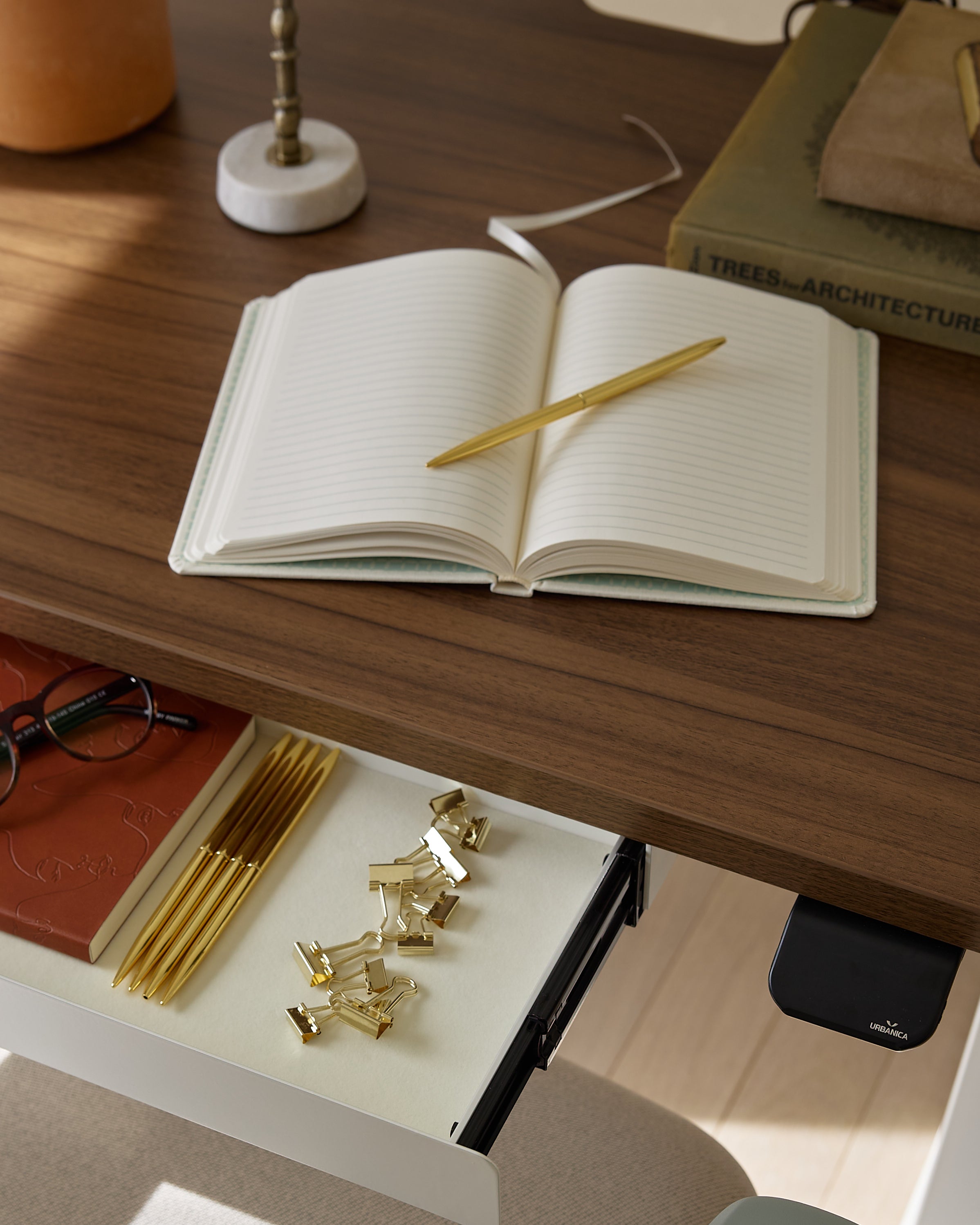
A well-designed office desk helps maintain order by providing space for both work and storage.
Key features that support organization include:
• Spacious surfaces for essential tools
• Built-in storage for documents and accessories
• Cable management systems
• Clear separation between work zones
When the desk remains uncluttered, it becomes easier to concentrate on tasks without distractions.
An organized desk layout improves both efficiency and productivity.
Investing in high-quality furniture is essential for maintaining an organized workspace over time. According to choosing quality furniture, durable and well-designed pieces provide better functionality and longevity.
Low-quality furniture often lacks proper storage and structural stability, which can lead to clutter and inefficiency. Over time, this creates a workspace that feels chaotic and difficult to manage.
High-quality furniture, on the other hand, maintains its structure and usability. It supports consistent organization by providing reliable storage and workspace solutions.
When furniture is built to last, it becomes easier to maintain an organized environment for years.
Modern workspaces rely heavily on technology, but without proper furniture, cables and devices can quickly create clutter.
A monitor arm helps organize screens while freeing up valuable desk space.
Advantages include:
• Keeping screens at eye level
• Reducing cable clutter
• Creating more usable desk space
• Improving overall workspace layout
When technology is organized, it becomes easier to focus on work rather than managing equipment.
Proper furniture solutions help maintain a clean and efficient digital workspace.
Comfort plays an important role in maintaining organization. When individuals feel comfortable in their workspace, they are more likely to follow structured work habits.
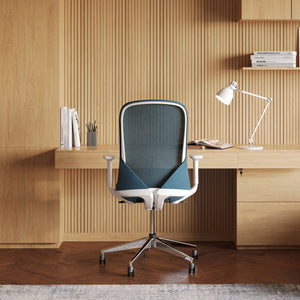
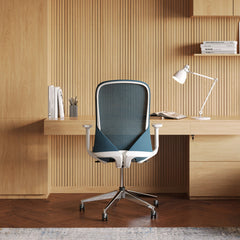
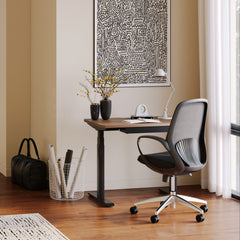
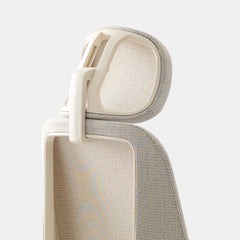
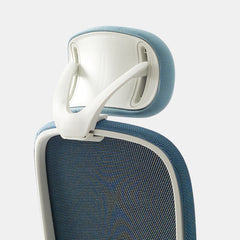
A supportive ergonomic office chair helps maintain proper posture, allowing users to stay focused and productive for longer periods.
When discomfort is reduced, individuals are less likely to shift positions frequently or leave their workspace in disarray.
Comfortable furniture supports consistency, and consistency is key to maintaining organization.
|
Furniture Element |
Purpose |
Benefit |
|
Adjustable desks |
Flexible positioning |
Reduce clutter buildup |
|
Ergonomic chairs |
Posture support |
Improve comfort |
|
Monitor arms |
Screen organization |
Free desk space |
|
Functional desks |
Storage and layout |
Maintain order |
|
Quality materials |
Long-term use |
Support consistency |
These elements create a workspace that supports organization and productivity.
Even the best furniture cannot maintain organization without proper layout.
Consider these strategies:
• Keep frequently used items within reach
• Store non-essential items out of sight
• Maintain clear desk surfaces
• Use vertical storage solutions
A well-organized layout reduces the time spent searching for tools and increases overall efficiency.
When the workspace is structured, maintaining organization becomes easier.
An organized workspace does more than look clean. It creates an environment where work can be completed efficiently and without unnecessary distractions.
Clutter often leads to mental overload. When too many items compete for attention, it becomes harder to focus on important tasks. In contrast, organized spaces allow individuals to concentrate fully on their work.
Furniture plays a critical role in creating this environment. When desks, chairs, and accessories support organization, productivity naturally improves.
Over time, an organized workspace also encourages better habits, making it easier to maintain efficiency on a daily basis.
Creating an organized workspace starts with the right furniture and thoughtful planning.
Use this checklist to improve your workspace:
• Choose furniture designed for both function and organization
• Maintain clean and uncluttered desk surfaces
• Use adjustable desks for flexible work setups
• Keep cables and devices organized
• Invest in ergonomic seating for comfort
• Store items in designated spaces
• Avoid unnecessary furniture
• Maintain a consistent layout
• Keep essential tools within reach
• Prioritize long-term durability
An organized workspace is not built overnight. It is created through consistent habits supported by the right furniture.
When furniture is chosen thoughtfully, maintaining order becomes natural. A well-organized workspace supports focus, efficiency, and long-term productivity.


You have unlocked free shipping!
You're saving $29 and unlocked free shipping!
Leave a comment