



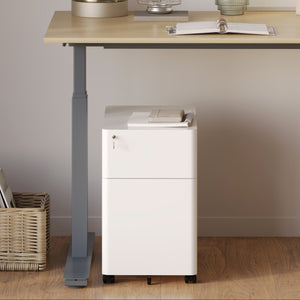






















Filing Cabinet Choices for Cleaner Workstation Planning
Cleaner workstation planning starts with filing storage that matches the desk, document volume, security needs, and daily workflow. Explore how cab...
Learn more
Visit quiz page to see how we makes it easy to create an inspiring workplace


Ergonomic furniture is not just a luxury upgrade. It is one of the most practical investments you can make for your health, focus, and long-term productivity. When you spend hours sitting, typing, and concentrating, your workspace directly affects how your body feels and how your mind performs. The right furniture reduces strain, supports posture, and helps you work with more comfort and less fatigue. Whether you are building a home office or upgrading your daily setup, ergonomics creates a foundation that supports you every day.
A workspace built around Office Desk Los Angeles solutions can help you combine stability, comfort, and professional design in one supportive environment.
Modern work often requires long hours in front of screens. Without proper support, the body adapts in unhealthy ways. Slouching, neck strain, and wrist tension become normal, and discomfort builds slowly over time.
Ergonomic furniture matters because it helps prevent:
chronic back and shoulder pain
fatigue and stiffness
reduced concentration
repetitive strain injuries
Good ergonomics is not about perfect posture. It is about creating a setup that allows your body to stay neutral and supported throughout the day.
A desk that is too high or too low forces your body into strain.
elbows rest comfortably at typing height
shoulders stay relaxed
monitor sits at eye level
legs have open clearance
prioritize stability over style alone
choose enough surface space for daily tools
avoid cramped work areas
leave room for movement
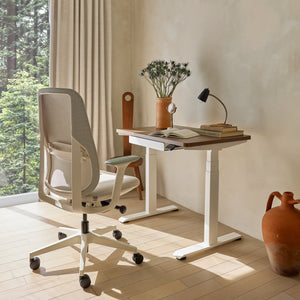
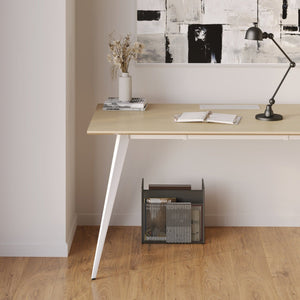
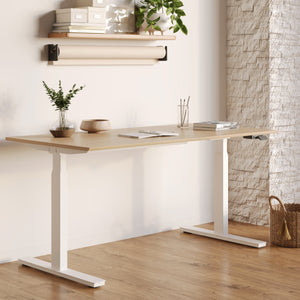
A clean and reliable office desk supports daily work without overwhelming the room.
Sitting all day increases stiffness and reduces circulation.
less pressure on the lower back
improved energy throughout the day
reduced fatigue over long sessions
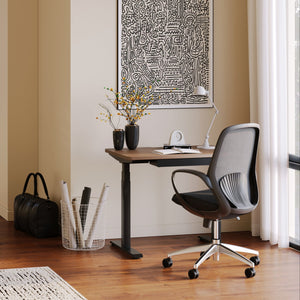
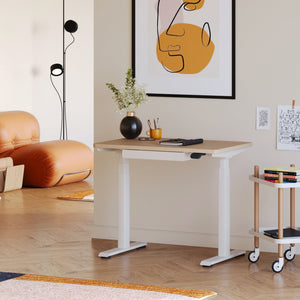
A flexible standing desk makes posture changes easy without disrupting workflow.
Many chairs feel comfortable at first but fail after hours of sitting.
lumbar support
balanced seat depth
adjustable height
consistent comfort
sit fully back with feet flat
keep knees at a natural angle
avoid chairs that encourage slouching
prioritize structure over plush padding
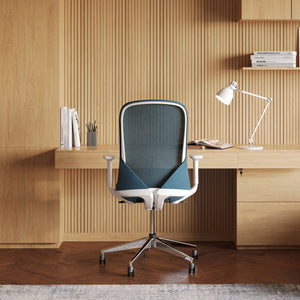
A supportive office chair helps maintain posture and reduces strain during long workdays.
Studies on posture and workspace health, such as those referenced in ergonomic workplace research, show that proper seating reduces discomfort and improves performance over time.
Ergonomic furniture supports mental productivity too. When the body feels uncomfortable, attention breaks more often. When posture is supported, work feels smoother and less exhausting.
Comfort improves:
focus endurance
mood stability
motivation
efficiency
Ergonomics is both physical and psychological support.
A low screen causes forward leaning and tension.
monitor at eye level
relaxed shoulders
open desk surface underneath
A flexible monitor arm improves alignment while freeing space.
keep monitor arm’s length away
reduce glare from windows
avoid looking down for long periods
center the screen in front of you
Typing without support increases strain.
reduces shoulder tension
supports relaxed posture
improves comfort during long sessions
Even small ergonomic additions can dramatically improve how your body feels by the end of the day.
You do not need a large office to build an ergonomic setup. Even small apartments can support healthy posture with the right furniture choices.
The key is choosing pieces that:
fit the room
adjust to your body
reduce clutter
support daily routines
Ergonomics is scalable, not space-dependent.
|
Furniture Element |
Main Purpose |
Health Benefit |
Best Use |
|
Office desk |
Work surface |
Stability and posture |
Daily tasks |
|
Standing desk |
Movement option |
Reduced sitting strain |
Long workdays |
|
Supportive chair |
Seating comfort |
Back and posture support |
Focus sessions |
|
Monitor arm |
Screen alignment |
Less neck tension |
Computer work |
|
Ergonomic accessories |
Arm support |
Reduced wrist strain |
Extended typing |
Even the best setup needs movement and awareness.
stand up every hour
stretch shoulders and neck
reset posture throughout the day
avoid working in bed or on the couch
adjust chair height regularly
keep frequently used tools within reach
clear clutter that forces awkward movement
treat ergonomics as prevention, not correction
A supportive setup helps you work longer with less fatigue.
long-term joint health
sustained productivity
reduced injury risk
Ergonomic furniture pays off daily. It reduces discomfort, supports posture, and creates a workspace that feels easier to use.
Instead of replacing cheap furniture often, ergonomic pieces last longer and protect your health over years of work. Investing in ergonomics is investing in your future energy, focus, and wellbeing.
choose a desk that fits your posture
add movement options when possible
invest in supportive seating
align your monitor correctly
use arm support for typing comfort
keep tools within easy reach
take breaks and stretch daily
treat ergonomics as long-term health care
Ergonomic furniture is not about perfection. It is about support. When your workspace works with your body instead of against it, productivity improves naturally and comfort becomes part of everyday life.
Ergonomics is not only about posture. It is also about how smoothly you can move through your workspace without unnecessary reaching, twisting, or clutter stress. A well-organized setup reduces both physical strain and mental distraction. When supplies pile up or cables crowd the desk, your body naturally shifts into awkward positions just to work around the mess.
A clean workspace supports focus because your brain processes less visual noise, and your body moves more efficiently throughout the day.
Even small clutter forces unnatural movement.
reaching across the desk repeatedly
twisting to grab items behind you
working with limited elbow space
hunching over piles of papers
keep daily essentials within arm’s reach
store rarely used items out of sight
avoid stacking objects near your keyboard
leave the center of the desk open
When your workspace has structure, your mind relaxes.
focus zone: computer and main tools
writing zone: notebook and planner
storage zone: supplies and paperwork
A desk setup that stays consistent makes work feel lighter because you spend less time searching, adjusting, and resetting.
The best ergonomic furniture supports the body, but organization supports the routine. Together, they create a workspace that feels calm, efficient, and sustainable for years, not just hours.


You have unlocked free shipping!
You're saving $29 and unlocked free shipping!
Leave a comment