



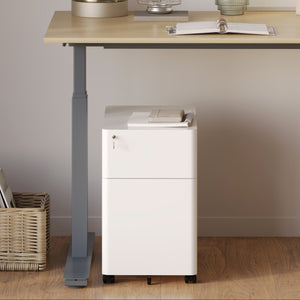






















Filing Cabinet Choices for Cleaner Workstation Planning
Cleaner workstation planning starts with filing storage that matches the desk, document volume, security needs, and daily workflow. Explore how cab...
Learn more
Visit quiz page to see how we makes it easy to create an inspiring workplace


Tables have become more than furniture; they are the centerpieces of modern living. In today’s homes, where living, dining, and working often coexist within shared environments, tables must balance practicality, comfort, and aesthetics. They shape how people connect, focus, and relax. For Urbanica Furniture, the table embodies the philosophy of adaptable living, where design and function evolve together to meet the real needs of contemporary life.
Urban homes have evolved into flexible ecosystems. Work, leisure, and dining often take place within the same square footage, which demands furniture that can perform multiple roles. A table once reserved for meals now doubles as a workspace or creative hub. Adaptability has become a design priority, and furniture that supports fluid living is no longer optional but essential.
Tables are emotional anchors. The textures of wood or metal, the tone of finish, and the shape of edges all contribute to atmosphere and comfort. Whether it’s a robust surface for productivity or a soft-toned dining piece for gathering, each design choice influences how people feel in their space. These sensory details determine whether a table invites focus, conversation, or relaxation.
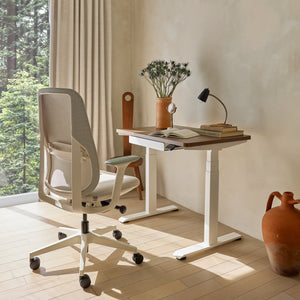
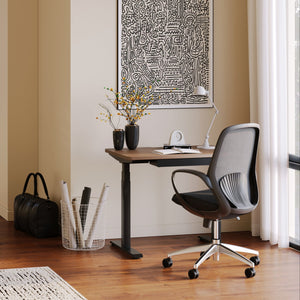
Blending a home office with living or dining areas calls for intentional design. Clean lines, compact proportions, and thoughtful storage maintain visual calm while supporting workflow. Urbanica’s modern home desk designs demonstrate how ergonomic form and visual lightness can coexist, creating adaptable workspaces that merge seamlessly with shared rooms.
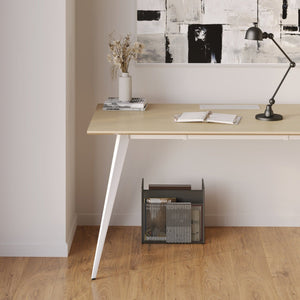
Selecting the right table for work depends on both lifestyle and space. A permanent desk suits those who value a fixed routine, while adaptable models fit people who rearrange their spaces for different uses. Stability, surface area, and cable organization are vital. The ergonomic writing desk for focused home offices exemplifies this approach with a balanced structure that promotes concentration without overwhelming the room.
Good posture supports long-term comfort and efficiency. Desk height, monitor placement, and chair alignment all contribute to healthier work habits. Incorporating a height-adjustable table helps maintain flexibility throughout the day. The adjustable standing table for active professionals encourages small movements that prevent stiffness and enhance circulation. Reliable references like OSHA ergonomic safety standards reinforce the value of thoughtful, evidence-based workspace design.
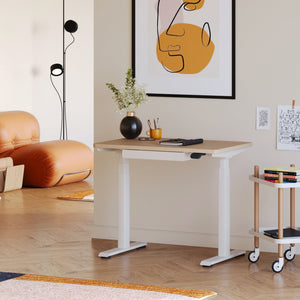
For apartments and studios, compact workstations must deliver the same functionality as larger desks. They serve multiple purposes while preserving visual openness. The portable standing surface for compact setups integrates ergonomic adjustability into a minimal footprint, proving that efficiency doesn’t require excess space.
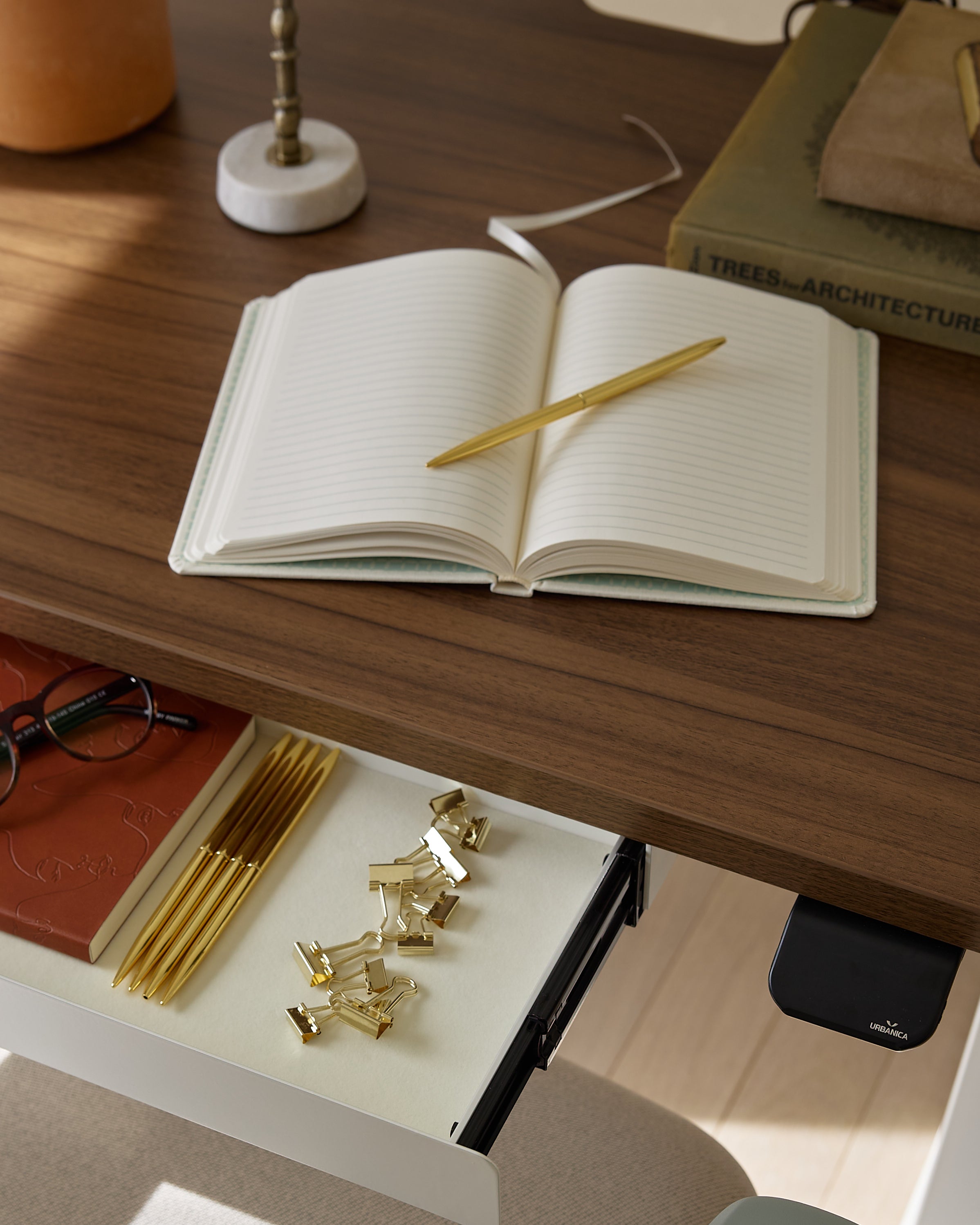
Subtle under-desk trays and concealed cable channels keep spaces tidy. Task lighting with warm tones reduces eye strain while maintaining ambiance. Strategic placement ensures comfort and energy flow throughout the day.
Collaboration at home or in small offices benefits from shared surfaces that accommodate two people comfortably. A desk that adjusts to different heights supports diverse working styles. The dual-height table for two-person workstations balances personal space with shared functionality, perfect for partners or co-working households.
Larger collaborative environments thrive on modularity. Compact clusters promote teamwork without crowding. The four-person modular workstation setup exemplifies efficiency through structured organization, while the six-seat open office configuration provides a cohesive solution for growing teams that value both structure and fluidity.
Acoustic partitions, subtle dividers, and visual zoning elements help define work areas while maintaining a shared atmosphere. Achieving equilibrium between solitude and teamwork keeps productivity high and distractions minimal.
Dining tables remain the heart of togetherness. Whether for a quiet dinner or a lively gathering, they create shared moments that strengthen bonds. Thoughtful proportion and texture selection allow the table to reflect both function and personality.
Shape influences conversation and movement. Rectangular tables suit formal dining and accommodate multiple dishes, while round tables enhance intimacy and accessibility. Matching form to lifestyle ensures the table naturally complements the room’s rhythm.
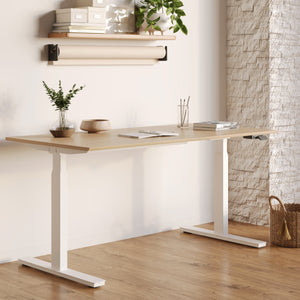
Modern lifestyles demand versatility. A table that serves as a workspace by day and a dining surface by night eliminates redundancy. Protective finishes, stable structures, and smart storage support these transitions gracefully. Mixed-material designs that blend wood warmth with metal accents bring continuity across changing activities.
An open-plan layout encourages movement and connection. Using rugs, lighting zones, and furniture positioning helps define function within one space. The key lies in flexibility: movable pieces that adapt to shifting daily needs.
Visual consistency ensures that multiple table types coexist without clashing. Pairing a refined work desk with a sculptural dining surface creates continuity. Shared color palettes and matching finishes give spaces an intentional, curated feel.
Layered lighting—task, ambient, and accent—creates both harmony and definition. Decorative objects, plants, and subtle textiles soften transitions between work and relaxation areas, enhancing comfort and style.
| Material | Ideal Use | Design Character | Maintenance Level | Durability |
|---|---|---|---|---|
| Solid Wood | Dining & shared offices | Natural warmth, timeless design | Moderate | High |
| Engineered Wood | Compact or rental spaces | Streamlined, adaptable | Low | Medium |
| Metal | Industrial work zones | Sleek, modern aesthetic | Low | High |
| Glass | Light-enhancing dining areas | Airy, reflective | High | Moderate |
| Laminate | Family or flexible spaces | Easy-clean practicality | Very Low | Medium |
The tactile nature of materials defines user experience. Solid wood conveys permanence and warmth, while metal embodies strength and precision. Blending materials—like pairing metal frames with wooden tops—achieves both durability and visual sophistication. Proper care extends longevity, ensuring sustainability through thoughtful selection rather than frequent replacement.
Designing around flow ensures comfort and cohesion. Tables should align naturally with entry points, lighting sources, and seating areas. Proportion matters: too large, and it dominates; too small, and it loses purpose.
Strategic placement under natural light enhances focus and ambiance. Balanced acoustics prevent echoing in open rooms. Movement between zones should feel intuitive, allowing seamless shifts between working, dining, and socializing.
| Table Type | Optimal Clearance | Recommended Chair Spacing |
|---|---|---|
| Dining | 36–42 inches | 24 inches per seat |
| Work | 30–36 inches | 30 inches per seat |
These dimensions help maintain ease of movement and personal comfort without overcrowding.
Sustainability is a commitment, not a trend. Using reclaimed or responsibly sourced wood, recyclable metal, and non-toxic finishes preserves resources and promotes longevity. Modular construction encourages repair rather than disposal, reflecting Urbanica’s dedication to environmental integrity.
Integrated functionality—such as discreet cable ports or charging access—improves usability without sacrificing beauty. Smart design in this context focuses on practicality and longevity, not unnecessary complexity.
Investing in enduring quality supports sustainability and long-term value. A well-made table matures with time, acquiring character while maintaining strength. Design longevity is the truest form of sustainability, where aesthetics and structure remain relevant for years.
Future furniture design emphasizes modularity and wellness. Tables will continue to adapt to diverse activities and evolving household needs. Expect thoughtful integration of sustainability, ergonomic awareness, and timeless forms that transcend fleeting trends.
As homes become multi-dimensional, tables serve as the unifying element connecting work, dining, and shared experiences. They are where ideas form, meals are shared, and relationships deepen. For Urbanica Furniture, each table represents not only craftsmanship but also an invitation to live meaningfully—where every surface supports both purpose and presence.


You have unlocked free shipping!
You're saving $29 and unlocked free shipping!
Leave a comment