



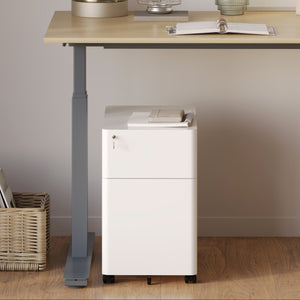







Filing Cabinet Choices for Cleaner Workstation Planning
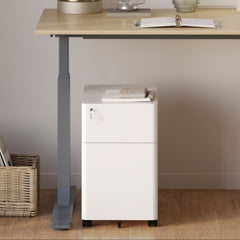
Cleaner workstation planning starts with filing storage that matches the desk, document volume, security needs, and daily workflow. Explore how cab...
Learn more
Visit quiz page to see how we makes it easy to create an inspiring workplace


The rhythm of modern life has reshaped how people think about furniture, and tables have become the centerpiece of this transformation. Where once they served a singular purpose, today they define how work, dining, and social activities coexist within shared spaces. This evolution reflects not just changing interior layouts but a deeper lifestyle shift toward adaptability and integration.
The open-concept design trend has merged dining areas, work corners, and lounges into fluid zones. In these environments, tables act as both visual anchors and functional bridges. A sturdy surface used for morning work can transition to a dining centerpiece by evening. The key lies in thoughtful selection—pieces that complement both focused productivity and communal connection.
Material composition, color, and structure shape how a space feels and functions. Smooth oak tops, matte metal legs, or soft rounded edges all influence how people interact with a room. When work tables and dining surfaces share similar tones or textures, they unify the visual language of an interior. Cohesion brings comfort, especially in small apartments where every item contributes to harmony and flow.
A workspace that encourages creativity, comfort, and focus starts with the right table. The best designs merge ergonomics with aesthetic simplicity, offering durability without excess ornamentation.
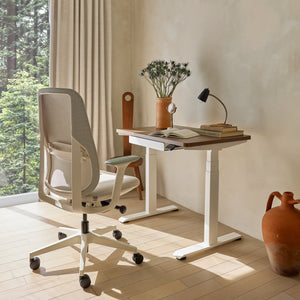
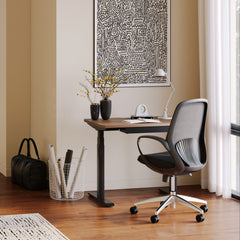
Modern professionals often balance their digital tasks with physical materials, so a well-proportioned surface is crucial. Adjustable height and legroom are more than conveniences—they help maintain posture and prevent fatigue. The work desk collection designed for compact home offices demonstrates how versatile furniture can fit seamlessly into small rooms while maintaining professional function. Compact layouts require intentional placement, ensuring productivity without clutter.
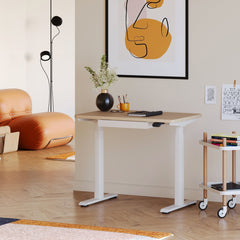
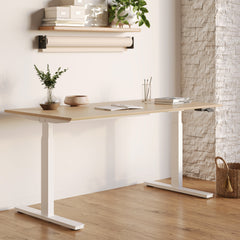
Ergonomics influence well-being as much as productivity. Height-adjustable tables allow for alternating between sitting and standing, easing the strain of long hours. The adjustable standing desk built for active professionals promotes movement, while the compact standing table suited for small work areas fits those with limited space but equal concern for comfort. These designs encourage healthier work habits aligned with ergonomic safety standards from OSHA, which recommend frequent position changes and correct posture.
| User Height | Ideal Table Height | Monitor Position | Suggested Table Type |
|---|---|---|---|
| 5’0”–5’5” | 26–27 inches | Eye level or slightly below | Compact standing table |
| 5’6”–6’0” | 28–29 inches | Direct eye level | Adjustable standing desk |
| 6’1”+ | 30 inches | Slightly above eye level | Custom or multi-level desk |
This structured approach ensures comfort without sacrificing style. Tables that adapt to individual needs create healthier, longer-lasting work environments.
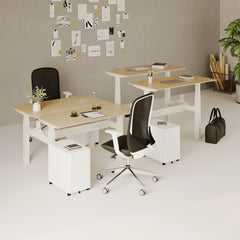
When two people share a workspace, balance becomes key. Dual-use furniture allows independent focus while maintaining visual consistency. The shared office desk crafted for two users provides the stability and proportion needed for side-by-side productivity without crowding.
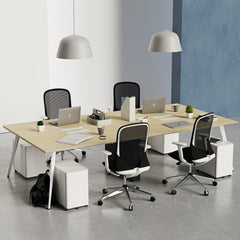
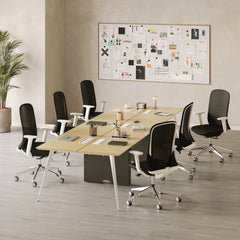
Larger homes or small studios benefit from modular configurations. The quad team workstation built for collaborative environments accommodates creative sessions and brainstorming, while the six-person workstation desk suited for open-plan studios allows teams to collaborate within a shared rhythm. Adaptable layouts make the most of available space while maintaining harmony among users.
| Workstation Model | Recommended Users | Space Needed | Unique Value |
|---|---|---|---|
| Two-person standing office desk | Dual users at home or small offices | Compact | Supports collaboration in limited space |
| Quad team workstation | 4–5 collaborative users | Moderate | Modular and easily reconfigurable |
| Six-person workstation desk | 6+ creative or technical team members | Large | Centralized surface for dynamic team synergy |
Dining tables are emotional spaces where conversation, creativity, and nourishment meet. They bridge the formality of a meal with the casual energy of modern gatherings, reflecting how homes serve multiple purposes in today’s lifestyle.
A dining table often doubles as a workspace, hobby station, or even a classroom. Its size and durability make it a reliable hub for everything from casual meals to strategic planning sessions. Selecting a design that accommodates multiple roles helps a household stay fluid and organized without compromising comfort.
Material choice shapes the character of shared dining and work environments. Wood surfaces bring warmth and authenticity; metal bases introduce industrial strength; and glass tops add lightness and visual space. The tactile qualities of each surface influence not only the look but also how people interact with the table daily.
| Material | Aesthetic Feel | Durability | Best For |
|---|---|---|---|
| Natural wood | Inviting, timeless | Moderate–High | Dining and living hybrids |
| Metal or steel | Modern, minimal | High | Work and dining fusion zones |
| Glass | Light-enhancing | Moderate | Compact rooms or smaller apartments |
A table’s finish also impacts maintenance and longevity. Sealed wood or matte laminates provide durability without losing natural charm, offering practical elegance suited for everyday routines.
Families and co-living arrangements rely on flexibility. Extendable dining tables or those with modular inserts allow rooms to adapt to changing needs. In smaller spaces, folding sections or stackable chairs keep circulation clear while maintaining accessibility for larger gatherings. A balanced dining table blends visual appeal with practical mobility.
Living rooms today often merge with work and dining zones. Achieving cohesion requires furniture that complements different functions while maintaining a consistent aesthetic language.
Adaptability defines the modern home. Convertible designs that shift between heights or expand surfaces allow for effortless transitions. The height-adjustable table ideal for dual-use living areas showcases this versatility, providing equal support for casual dining and light office tasks. It exemplifies a growing trend toward hybrid surfaces that adjust with the flow of daily life.
Shared living areas thrive when materials, tones, and silhouettes remain consistent. A light oak work table paired with a matching dining top creates cohesion without visual fatigue. Metal finishes or muted color palettes can tie areas together without requiring duplication of style. The goal is harmony—a room that feels intentional, not improvised.
Lighting reinforces function. Pendant fixtures define dining areas, while focused lamps emphasize work zones. Proper spacing and symmetry ensure each section maintains its identity within a shared layout. Light intensity and angle can subtly guide transitions from task-oriented work to evening relaxation, fostering natural rhythm within the same environment.
The right table fits more than a space—it fits a lifestyle. Each selection should account for daily habits, future adaptability, and the intended emotional tone of the room.
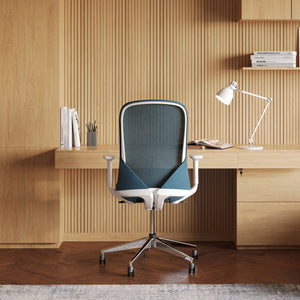
A good table balances form and function. Measurements matter, but so do tactile details like edge rounding and leg placement. Durability and ergonomic comfort ensure longevity in both personal and shared spaces. The ergonomic office desk suitable for daily use reflects this philosophy, combining simplicity with structure for seamless integration into any environment.
Sustainability guides modern furniture design. Choosing responsibly sourced materials reduces environmental impact while ensuring long-term durability. Modularity adds future-proof flexibility—tables that can expand, reconfigure, or adapt to new layouts extend their lifecycle without replacement waste.
A sustainable piece is one that evolves. Look for certifications or transparent sourcing information that confirm material quality. Avoid disposable trends in favor of enduring craftsmanship. Tables built to last reflect both environmental awareness and thoughtful investment in daily comfort.
Tables are becoming instruments of connection—linking people, routines, and ideas. Their future lies not in complexity but in intelligent simplicity, merging comfort with adaptability.
As technology becomes more integrated into everyday furniture, subtle innovation will redefine usability. Built-in charging points, concealed cable systems, and adjustable features will continue to evolve, serving households that blend work with leisure naturally and without visual clutter.
Furniture crafted around wellness encourages mindful habits. Tables designed to support posture and reduce fatigue align with a broader commitment to sustainable living. Balancing aesthetics with environmental responsibility fosters a holistic approach to interior design that respects both people and planet.
The next era of furniture design recognizes that life cannot be compartmentalized. Tables are now spaces of nourishment, creativity, and connection. Their ability to adapt defines how people experience modern living—fluid, balanced, and grounded in authenticity.


You have unlocked free shipping!
You're saving $29 and unlocked free shipping!
Leave a comment