



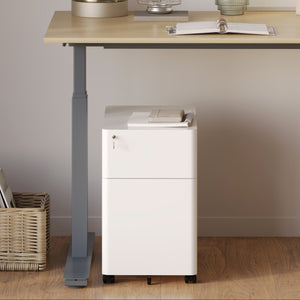






















Filing Cabinet Choices for Cleaner Workstation Planning
Cleaner workstation planning starts with filing storage that matches the desk, document volume, security needs, and daily workflow. Explore how cab...
Learn more
Visit quiz page to see how we makes it easy to create an inspiring workplace


Long workdays rarely damage posture because of one dramatic mistake. The real problem is repetition. Hours of typing, reading, clicking, and video calls gradually pull the body into positions that feel convenient in the moment but expensive by late afternoon. Shoulders creep upward. The head moves forward. Hips stiffen. Lower back tension builds slowly enough that many people do not notice it until discomfort has become part of the workday.
A posture routine that truly works is not built around trying to sit perfectly or stand as long as possible. It works because it creates variation at the right moments. It gives the spine support when focus is high, encourages movement before fatigue becomes obvious, and makes transitions practical enough to repeat every day. That is where a standing office desk becomes useful. It supports a routine based on movement and adjustment rather than endurance.
Most posture problems begin quietly. A person sits down with decent alignment, both feet on the floor, and a screen placed at a reasonable height. Then the workday begins. As attention narrows onto tasks, the body starts looking for shortcuts. The pelvis rolls backward. The chest collapses slightly. The chin drifts forward. None of this feels dramatic, which is why it continues.
Static sitting is not automatically harmful, but prolonged sitting invites the body to settle into low-effort positions. Those positions often shift strain toward the neck, upper back, lower back, and hips. The longer concentration continues without a reset, the more likely those patterns become.
Standing is often presented as the answer to sitting, but standing without movement can produce its own version of postural collapse. Knees lock. Weight shifts heavily into one hip. Calves tighten. The lower back starts doing too much stabilization work. Instead of slumping into a chair, the body begins hanging into joints and tissues that were never meant to hold a rigid position for long periods.
That is why posture routines built on the idea of "stand more" often fail. Standing helps when it introduces variation, not when it becomes a second fixed position.
The body responds well to change. Supported sitting, active standing, and short movement resets each serve a different purpose. Sitting can provide stability during deep-focus tasks. Standing can make lighter work feel more active and less compressed. Brief resets can restore circulation and reduce accumulated tension before it spreads.
A well-planned workspace makes those position changes easier to maintain. That is one reason many teams and home offices look for ergonomic office desks that support a broader range of daily work styles rather than forcing one fixed posture all day.
Deep concentration usually benefits from support. Writing, analysis, strategic planning, editing, and detailed creative work often go best when the body is not spending extra effort on balance and lower-body endurance. In these periods, the goal is not to sit motionless. The goal is to sit well enough that the upper body can stay relaxed and the eyes, shoulders, and wrists are not constantly compensating.
A good seated posture baseline usually includes feet supported, knees comfortably bent, elbows close to the body, and the screen positioned so the neck does not tilt downward for long periods. This does not need to look stiff. It needs to feel sustainable.
Standing fits naturally into tasks that benefit from a little more motion. Email, quick reviews, call blocks, light coordination, and brainstorming often feel better when the body can shift weight, change stance, and stay less compressed through the hips.
Active standing is not the same as frozen standing. The most useful standing posture includes soft knees, relaxed shoulders, even reach to the keyboard, and subtle movement through the feet and hips. A person should be able to stand, shift, and continue working without feeling like they are performing a posture drill.
Movement resets are what keep both sitting and standing from turning into strain. These do not need to be complicated. A brief walk to refill water, a few shoulder rolls, a screen break, or a short change of position can interrupt buildup before it becomes pain.
A posture routine becomes reliable when it follows the rhythm of real work. Instead of waiting until the body feels bad, it helps to rotate positions with task transitions.
1. Start seated for the first major concentration block
2. Stand for lighter communication or review tasks
3. Take a short movement reset after meetings or major completions
4. Return to sitting for work that benefits from stability
5. Shift back to standing before fatigue becomes obvious
Many people assume the healthiest way to begin is by standing immediately. In reality, the opening portion of the day often includes planning, writing, reviewing priorities, or working through mentally demanding tasks. Starting with supported sitting can help establish calmer shoulders, steadier hand position, and better visual alignment before the body is asked to do more.
This does not mean sitting for hours without interruption. It means using the first phase of the day to create a neutral baseline rather than forcing activity too early.
People often blame themselves for poor posture when the real issue is screen placement. A monitor that sits too low encourages forward head posture. A laptop positioned off-center causes rotation. A screen placed too far away invites leaning. Once visual strain enters the picture, the body follows.
That is why a posture routine should never focus only on spinal position. The relationship between eyes, screen, keyboard, and desk height matters just as much. When those elements work together, posture becomes easier to maintain without constant self-correction.
One of the clearest signs of poor standing setup is shoulder tension. When the desk is too high, the shoulders lift and the wrists compensate. When it is too low, the torso leans forward and the neck follows. Ideally, the hands meet the keyboard without the upper arms drifting away from the ribs or the shoulders creeping toward the ears.
This is where people benefit from checking feel rather than appearance alone. Neutral posture usually feels less dramatic than expected. It is calm, balanced, and easy to hold.
Good standing posture is active enough to prevent stiffness but relaxed enough to feel natural. Knees should not lock. Weight should not remain fixed on one side. The feet should allow subtle pressure changes as the task changes. Even a small foot shift can reduce the kind of static loading that builds through calves, heels, and the lower back.
Overcorrecting posture is a common mistake. People hear cues like "stand tall" and respond by over-arching the lower back, pulling the shoulders back too aggressively, or lifting the chin. That kind of tension may look upright for a moment, but it usually becomes uncomfortable quickly.
Better alignment is quieter than that. The head stays balanced over the torso, the ribs are not flared upward, and the pelvis is not pushed too far forward or tucked excessively under. The body should feel arranged, not braced.
Posture is influenced by more than desk height and chair support. Reaching under the desk for a plug, twisting around cords, and stretching across the surface for devices all add friction. These little actions may seem harmless, but repeated awkward reaching changes how people use the desk. Over time, they avoid changing positions as often, place devices in poor zones, or settle into workarounds that keep the body from moving well.
When charging and device connections are easier to reach, the desk is more likely to stay organized and usable through position changes. An in-desk power module can support that by keeping key connections closer to where work actually happens, reducing the need for awkward movement toward hard-to-reach outlets.
Not every workstation has the same layout. Some people need power access positioned at the desk edge to match how they use monitors, lamps, or charging devices during the day. In setups where accessible edge placement makes more sense, clamp-on desk power can fit naturally into the surface without turning cable access into a constant interruption.
In compact home offices and multi-use rooms, movement often decreases because the space feels visually tight. People may hesitate to reposition equipment or stand as often because every change seems to affect the whole room. That can lead to longer stretches in one posture and fewer natural breaks.
A smaller footprint does not mean posture support has to disappear. A mini standing desk can make sit-stand transitions more practical in tighter spaces where a large workstation would dominate the room or discourage movement. The key is not size alone. It is whether the layout still allows the screen, keyboard, and body to remain aligned during both sitting and standing phases.
Small-space ergonomics depend on clean placement. The screen needs to be centered. Frequently used tools need to stay close. The surface should not be so crowded that reaching becomes the default. In a compact environment, every inch of placement affects posture more directly, so disciplined arrangement matters more than decorative minimalism.
In shared spaces, the rhythm of work is different. People may switch between solo focus, quick discussion, side-by-side review, and brief standing exchanges. A desk that works for one person in total isolation may not support those transitions smoothly when another user is involved.
When two people share a station, posture routines only succeed if adjustments happen without friction. If one person has to accept poor monitor placement, awkward reach, or an unsuitable height because resetting is inconvenient, strain builds quickly. Shared workstations benefit from layouts that make alignment feel accessible for both users throughout the day.
A two-person standing desk fits naturally into discussions about shared ergonomic planning because it reflects a workstation built for paired use rather than forcing collaboration into a setup meant for one. In team settings, posture improves more consistently when the workstation itself respects shared movement, not just individual adjustment.
Different work environments ask different things from a posture routine. A solo home office may need a smaller footprint and cleaner reach zones. A creative studio may need a surface that supports regular transitions between sketching, typing, and reviewing. A growing office may need enough range across its furniture selection to support multiple layouts and task styles.
That is why posture outcomes are often tied to workspace planning, not just daily reminders. A desk routine becomes easier to maintain when the room, the workstation, and the accessories all support the same goal. For teams refining a broader setup, workspace planning support can be relevant when the decision involves more than a single desk and needs to account for how people actually move through a professional environment.
The most effective routine is the one people can repeat without turning it into a mental burden. Instead of aiming for a perfect sit-to-stand ratio, it helps to match each position to the kind of work being done.
| Work mode | Best use case | Posture focus | Common risk if overused | Smart transition |
|---|---|---|---|---|
| Supported sitting | Writing, planning, analysis, detailed editing | Stable hips, relaxed shoulders, neutral screen view | Slumping and forward head posture | Stand before concentration turns into collapse |
| Active standing | Calls, email, reviews, light coordination | Soft knees, neutral reach, even weight shifts | Calf fatigue, locked joints, low-back compression | Shift or walk after the task block |
| Movement reset | Between meetings or completed tasks | Restore circulation and unload static tension | Skipping it and carrying strain into the next block | Use task completion as the cue |
This structure works because it respects the work itself. Deep focus often needs stability. Lighter output often benefits from movement. Resets protect both.
When the head keeps moving forward, the screen is often too low, too far away, or off to one side. People may think they need better discipline when they actually need better visual alignment.
If the hands are constantly reaching up, outward, or too far forward, the upper body starts carrying unnecessary tension. Keyboard placement and surface height should reduce that strain, not create it.
Standing should increase variation, not become a challenge to endure. When the lower back starts carrying too much load, it is usually time for a different position or a reset, not more willpower.
The body usually asks for variety before it asks for perfect posture. When the lower body feels loaded and stiff, the routine often needs more movement and better timing, not stricter self-correction.
Posture holds up best when the routine feels normal enough to repeat during busy mornings, demanding afternoons, and imperfect schedules. That means using sitting when support is needed, standing when movement helps, and resetting before tension becomes the default. It also means choosing a desk setup that reduces friction instead of adding it.
Strong posture across long workdays is rarely the result of trying harder. It comes from a workstation that supports adjustment, a routine tied to real task changes, and an environment that makes movement practical from the first hour to the last. When those pieces work together, posture stops feeling like a correction and starts functioning like part of the work itself.


You have unlocked free shipping!
You're saving $29 and unlocked free shipping!
Leave a comment