



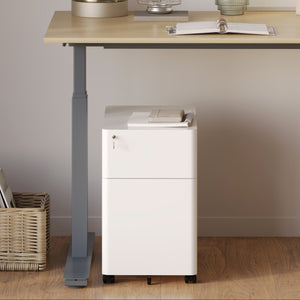






















Filing Cabinet Choices for Cleaner Workstation Planning
Cleaner workstation planning starts with filing storage that matches the desk, document volume, security needs, and daily workflow. Explore how cab...
Learn more
Visit quiz page to see how we makes it easy to create an inspiring workplace


It is easy to design a home that looks beautiful. It is harder to design one that truly supports your daily routine. Real life includes busy mornings, remote meetings, creative projects, family dinners, and quiet evenings. A well-designed home adapts to these moments instead of forcing you to adjust around it.
When furniture aligns with how you actually live, comfort improves and stress decreases. The goal is not perfection. It is functionality, flexibility, and thoughtful placement. A home that reflects your habits feels natural and effortless rather than staged or rigid.
Before choosing furniture, observe how you move through your day. Where do you answer emails? Where do your children complete homework? Where do you sit when you need to think clearly?
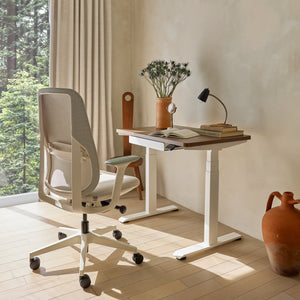
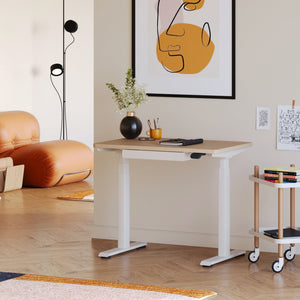
Designing around your routine may mean incorporating compact yet efficient solutions like a Small Standing Desk California in a corner that previously felt unused. Small adjustments can unlock productivity without sacrificing living space.
Instead of asking what fits the room, ask what supports your habits. Do you shift between sitting and standing? Do you need flexibility for video calls? Does your workspace double as a creative area?
When furniture responds to your lifestyle, your home feels intuitive.
Static spaces often create discomfort. Designing around movement helps maintain energy throughout the day.
Adjustable furniture supports both focus and physical well-being.
Reduces prolonged sitting
Encourages better posture
Increases circulation
Supports multiple users
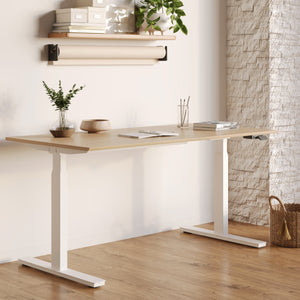
A thoughtfully engineered standing desk allows you to transition smoothly between tasks without interrupting workflow.
Position the desk near natural light
Keep pathways clear for easy transitions
Avoid clutter that blocks adjustments
Balance seated and standing periods
Movement becomes part of your routine instead of an afterthought.
The way a space is arranged influences mood and productivity.
Research such as this psychology of space study explains how interior environments shape behavior and concentration.
Keep primary work surfaces clear
Choose clean, streamlined furniture
Limit unnecessary decorative clutter
Maintain visual balance
Dedicated focus area
Relaxation space
Storage zone
Shared activity table
Clear zones reduce mental overload and allow your mind to transition between activities naturally.
Ergonomic principles apply to home spaces as well. According to this interior ergonomics research, thoughtful design reduces strain and supports long-term comfort.
Designing around real life means acknowledging that you may work from the dining table one day and a dedicated workstation the next. Adjustable and supportive furniture helps prevent discomfort in every scenario.
Ergonomics is not about rigid rules. It is about alignment, comfort, and sustainability over time.
Many homes require multifunctional solutions.
Designing within limited square footage requires efficiency.
Elevate monitors to free desk space
Utilize corners effectively
Choose compact furniture with strong frames
Prioritize pieces that serve multiple roles
An adjustable ergonomic arm lifts your monitor and clears valuable surface area.
Store items out of sight
Rotate decorative pieces seasonally
Keep essential tools accessible
Avoid overcrowding
Thoughtful placement prevents small spaces from feeling cramped.
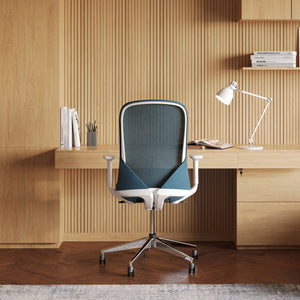
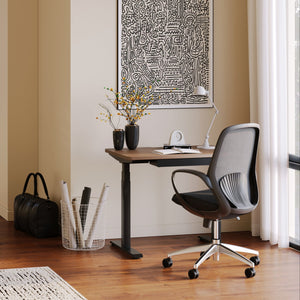
You likely spend hours seated each day, whether working, reading, or managing tasks. A supportive ergonomic chair provides alignment and breathable comfort for extended sessions.
When seating supports your posture, your home workspace becomes sustainable rather than draining. Adjustability ensures that different family members can use the same setup comfortably.
Comfort encourages productivity. Discomfort invites distraction.
|
Lifestyle Habit |
Furniture Solution |
Long-Term Benefit |
|
Remote work |
Adjustable desk |
Energy and flexibility |
|
Creative hobbies |
Spacious surface |
Adaptable workspace |
|
Shared family study time |
Height-adjustable setup |
Multi-user comfort |
|
Video meetings |
Monitor elevation |
Professional positioning |
|
Compact living |
Small footprint furniture |
Space efficiency |
This approach prioritizes how you live rather than how a space appears in photographs.
Lighting influences both mood and productivity.
Placement matters as much as furniture selection.
Position desks perpendicular to windows
Avoid glare on screens
Use layered lighting for evening tasks
Keep pathways unobstructed
Avoid blocking doorways
Leave breathing room around major pieces
Maintain clean lines
Reevaluate placement seasonally
Balanced lighting supports clarity and comfort.
Designing around how you live is not a one-time process. Routines shift. Careers evolve. Children grow. Technology updates.
Review your layout annually. Ask whether your current furniture still supports your daily rhythm. Minor adjustments in placement or function can restore balance without requiring a full redesign.
Your home should adapt as you do.
Designing around how you live today is important, but thinking ahead ensures your space remains functional as your needs evolve.
Your routines will not stay the same forever. A flexible setup allows you to adjust without starting from scratch.
Will my work schedule change in the next year?
Could this room serve multiple purposes later?
Will additional technology be added?
Is this furniture adaptable to new layouts?
Asking these questions helps you avoid rigid decisions that limit flexibility.
Choose adjustable furniture over fixed-height pieces
Leave room for additional equipment
Select durable finishes that withstand daily use
Avoid overly specific layouts that cannot shift
When your home is designed with adaptability in mind, small life changes do not require major redesigns. Instead, you simply adjust and continue moving forward.
A well-designed home does not force you into a specific routine. It supports the one you already have.
Use this checklist to design around real life:
Observe your daily habits
Prioritize flexible furniture
Keep surfaces clear and intentional
Support posture with adjustable seating
Incorporate height variability
Maximize natural light
Create defined zones
Use compact solutions for small areas
Maintain ergonomic alignment
Reevaluate your layout regularly
When your home aligns with your lifestyle, productivity increases and stress decreases. Thoughtful furniture choices transform ordinary rooms into responsive, supportive spaces that grow and shift alongside you.


You have unlocked free shipping!
You're saving $29 and unlocked free shipping!
Leave a comment