



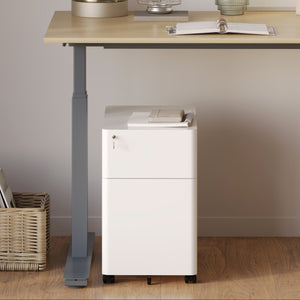






















Filing Cabinet Choices for Cleaner Workstation Planning
Cleaner workstation planning starts with filing storage that matches the desk, document volume, security needs, and daily workflow. Explore how cab...
Learn more
Visit quiz page to see how we makes it easy to create an inspiring workplace


Furniture is often chosen for its appearance, but its real value lies in how it supports everyday living and working. A desk, chair, or workspace setup can influence comfort, posture, productivity, and even mental focus.
When furniture is selected thoughtfully, it creates environments that feel balanced and functional. Whether designing a home office or upgrading a workspace, choosing the right furniture ensures that the space works with your daily routine instead of against it.
Well-designed furniture supports both physical comfort and mental clarity. From desk height to monitor placement, every element contributes to how productive and comfortable a workspace feels.
Understanding how to select the right furniture can help transform ordinary spaces into environments that encourage focus, creativity, and efficiency.
Many people begin choosing furniture based on appearance. While aesthetics matter, function should always come first.
Furniture that looks attractive but lacks proper support or workspace efficiency often leads to discomfort and clutter. When selecting furniture for a workspace, consider how it will be used daily.
A carefully chosen Office Furniture California setup provides the structure needed for productive work environments. Functional furniture ensures that essential tools remain organized and accessible while maintaining visual balance within the room.
Prioritizing function helps create workspaces that are both practical and visually appealing.
Traditional workspaces often keep people seated for long periods. Sitting continuously can lead to stiffness, reduced circulation, and decreased energy levels.
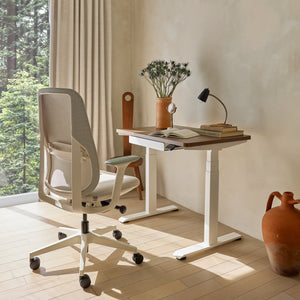
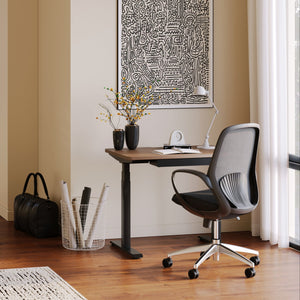
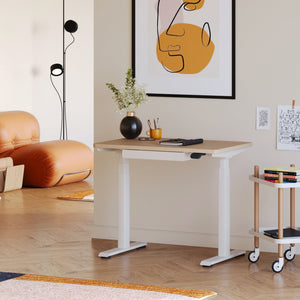
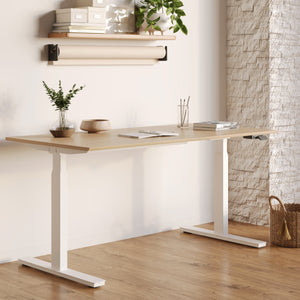
An adjustable standing desk introduces flexibility into modern workspaces by allowing users to alternate between sitting and standing positions.
Benefits include:
Improved circulation during long work sessions
Reduced pressure on the lower back
Increased alertness and focus
Workspaces that allow position changes encourage healthier habits. Instead of remaining seated for hours, workers can shift positions throughout the day to maintain comfort and productivity.
Furniture that promotes movement is becoming a key feature of modern workspace design.
A desk that is too small often leads to overcrowded work surfaces. A desk that is too large may overwhelm the room or limit movement.
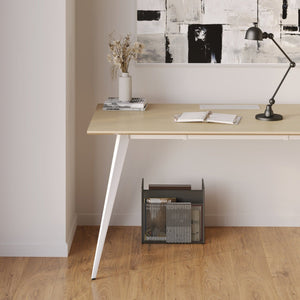
A properly sized office desk provides enough space for essential tools such as monitors, keyboards, and notebooks without making the room feel cramped.
Helpful workspace practices include:
Keeping only necessary tools on the desk
Maintaining open surface areas for active tasks
Positioning desks to allow comfortable movement around them
An organized desk layout helps maintain visual clarity. When the workspace feels balanced and uncluttered, it becomes easier to concentrate on tasks.
Desk size and layout play a crucial role in daily productivity.
Furniture placement and design influence more than physical comfort. They also affect how people behave and work within a space.
Research on workspace psychology shows that thoughtfully designed environments can improve focus and encourage productive habits.
Well-designed spaces help workers:
Maintain concentration for longer periods
Feel more motivated throughout the day
Reduce distractions caused by clutter or discomfort
Furniture that supports both physical and psychological comfort creates more effective work environments.
Many workspaces place computer monitors directly on the desk surface. This often forces users to tilt their heads downward, creating neck strain over time.
Using a monitor arm allows screens to be adjusted to eye level while freeing additional desk space.
Advantages include:
Reduced neck and shoulder tension
Better viewing angles during work
Increased desk organization
Elevated screens help create cleaner desk layouts. When monitors are positioned properly, the entire workspace becomes easier to manage and more comfortable to use.
Small ergonomic adjustments often produce noticeable improvements in daily work comfort.
Seating is one of the most critical elements in workspace design. Many people underestimate how much time they spend sitting during the day.
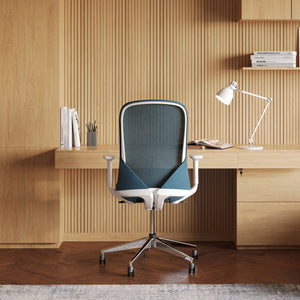
A supportive ergonomic office chair helps maintain natural spinal alignment while reducing pressure on the lower back.
Comfortable seating provides several advantages:
Better posture during long work sessions
Reduced muscle fatigue
Improved concentration and productivity
Investing in proper seating ensures that workspaces remain comfortable throughout the day.
|
Furniture Consideration |
Why It Matters |
Result |
|
Desk size |
Supports organization |
Efficient workspace |
|
Adjustable desks |
Encourages movement |
Better posture |
|
Ergonomic seating |
Supports the spine |
Long-term comfort |
|
Monitor placement |
Reduces neck strain |
Healthier posture |
|
Layout balance |
Improves visual clarity |
Increased focus |
Understanding these factors helps create environments that support both productivity and comfort.
Many people overcrowd workspaces with unnecessary furniture pieces. While storage and décor are useful, too many items can create visual distractions.
A productive workspace typically includes:
A functional desk
Comfortable seating
Proper screen placement
Limiting unnecessary furniture helps maintain a calm and organized environment.
Minimal designs allow users to focus on their tasks without visual distractions. When furniture serves clear purposes, the workspace feels more efficient and comfortable.
The arrangement of furniture plays an important role in how productive a space feels. Poor layout choices can lead to limited movement, cluttered surfaces, and uncomfortable working positions.
Effective layouts often include:
Clear walking paths around desks
Accessible placement of frequently used tools
Balanced furniture spacing throughout the room
Thoughtful layouts help create environments where productivity feels natural rather than forced.
Choosing the right furniture involves more than selecting attractive pieces. It requires understanding how furniture influences daily habits, posture, and productivity.
Use this checklist when selecting workspace furniture:
Prioritize functionality before style
Choose desks that fit the room size
Maintain open desk surfaces
Position monitors at eye level
Invest in ergonomic seating
Encourage movement with adjustable desks
Keep frequently used tools within reach
Maintain organized work areas
Avoid overcrowding workspaces with furniture
Reevaluate layouts as work routines change
Furniture shapes how spaces function. When the right pieces are chosen thoughtfully, they create environments that support comfort, productivity, and long-term well-being.
A well-designed workspace does more than look good. It helps people work better every day.


You have unlocked free shipping!
You're saving $29 and unlocked free shipping!
Leave a comment