



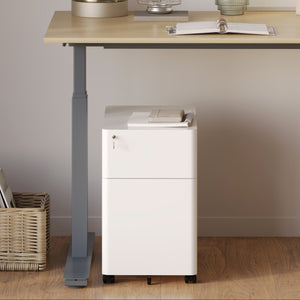



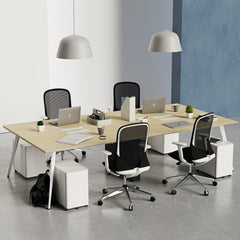
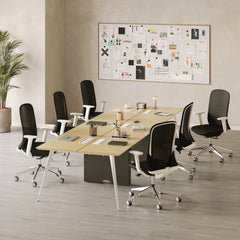


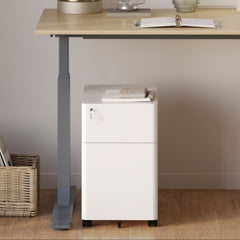


Filing Cabinet Choices for Cleaner Workstation Planning
Cleaner workstation planning starts with filing storage that matches the desk, document volume, security needs, and daily workflow. Explore how cab...
Learn more
Visit quiz page to see how we makes it easy to create an inspiring workplace


Styling a small workspace requires more than just shrinking furniture. When space is limited, poor layout choices quickly make a room feel boxed in and overwhelming. The goal is to create a workspace that feels open, functional, and visually calm without sacrificing comfort or productivity. Smart furniture placement, intentional organization, and scale awareness allow even compact workspaces to feel breathable rather than cramped.
A small workspace cannot afford decorative guesswork. Every furniture decision must support how the space is actually used.
Start by identifying:
Primary daily tasks
Amount of time spent seated versus standing
Storage needs versus visual openness
When function is clear, unnecessary furniture is naturally eliminated, leaving space that feels purposeful instead of crowded.
Oversized desks are the most common mistake in small workspaces. Even beautiful furniture can feel oppressive if the proportions are wrong.
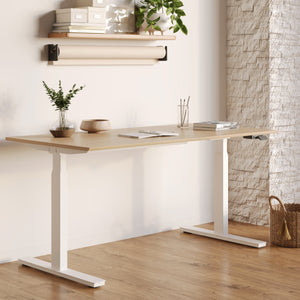
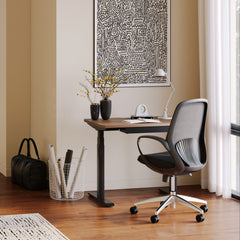
A well-proportioned Office Desk California setup allows comfortable movement without dominating the room visually.
Leave at least 36 inches behind the chair
Avoid extra-deep surfaces if monitors are mounted
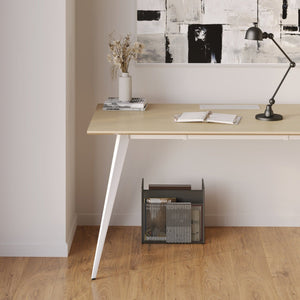
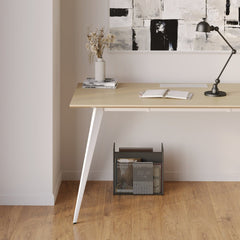
Choose slim legs instead of solid panels
Right-sizing the desk immediately creates more visual breathing room.
When floor space is limited, vertical movement becomes a design advantage.
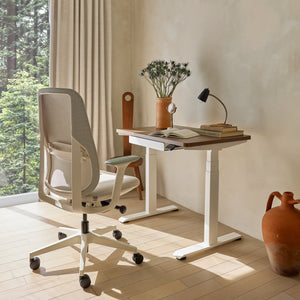
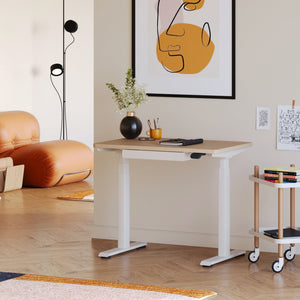
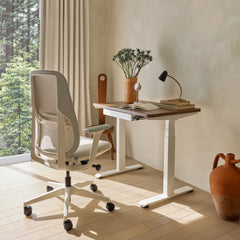
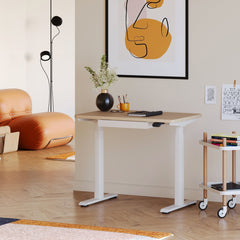
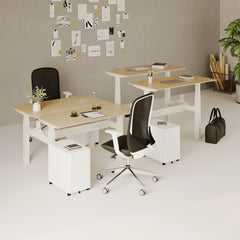
Using a standing desk allows one surface to serve multiple purposes without adding more furniture.
Alternating between seated and standing tasks
Keeping sightlines open
Creating usable space beneath the desk
Vertical flexibility reduces clutter while increasing function.

Small spaces feel cramped when heavy furniture blocks sightlines. Visual openness is just as important as physical space.
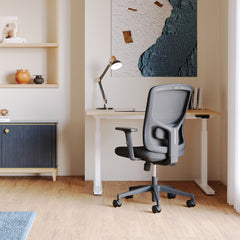
A streamlined office desk with clean lines keeps the room grounded without overwhelming it.
Design tips:
Avoid thick drawer stacks
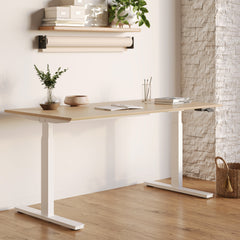
Choose open bases
Use lighter finishes to reflect light
Visual simplicity helps small rooms feel calm and spacious.
Clutter compresses small spaces both visually and mentally.
Research on the psychology of organizing shows that decluttered environments reduce stress and improve focus, especially in compact work areas.
Keep only daily-use items visible
Assign one storage zone per category
Clear the desktop at the end of each day
Organization is not about minimalism. It is about control.
Poor monitor placement eats valuable surface space and forces awkward posture.
Using a monitor mount instantly opens the desk area while improving ergonomics.
Benefits include:
More usable work surface
Cleaner cable routing
Better eye-level alignment
Less visual clutter
Floating the monitor makes the desk feel larger immediately.
|
Furniture Element |
Poor Choice |
Better Choice |
|
Desk |
Oversized, deep |
Compact, proportional |
|
Monitor setup |
Fixed stand |
Adjustable mount |
|
Storage |
Floor cabinets |
Vertical shelving |
|
Seating |
Bulky chair |
Slim ergonomic chair |
|
Layout |
Static |
Flexible |
Small adjustments compound into major spatial improvements.
In small spaces, seating must balance comfort with visual restraint.
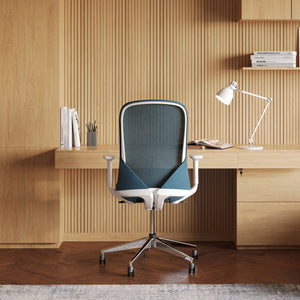
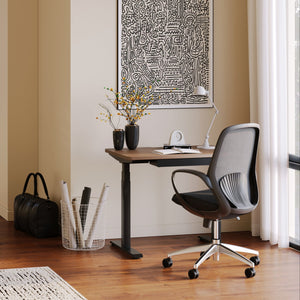
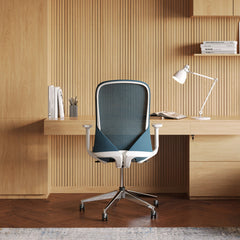
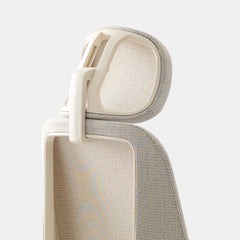
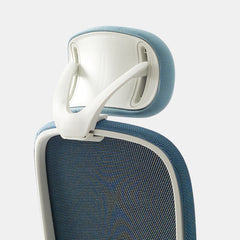
A streamlined office chair provides full support while maintaining a light visual profile.
Adjustable lumbar support
Slim armrests
Neutral or light upholstery
The right chair blends into the space instead of overpowering it.
Lighting dramatically affects how small workspaces feel.
Effective strategies include:
Wall-mounted lighting instead of desk lamps
Positioning lights to reduce shadows
Using reflective surfaces subtly
Good lighting reduces eye strain and visually expands the room.

Small workspaces succeed when every element earns its place. Smart desk sizing, vertical movement, thoughtful seating, and intentional organization transform limitations into strengths.
Desk fits the room, not the other way around
Floor space remains clear
Monitor is elevated
Seating is supportive yet compact
Surfaces stay mostly uncluttered
When design decisions are intentional, even the smallest workspace can feel calm, functional, and open.


You have unlocked free shipping!
You're saving $29 and unlocked free shipping!
Leave a comment