



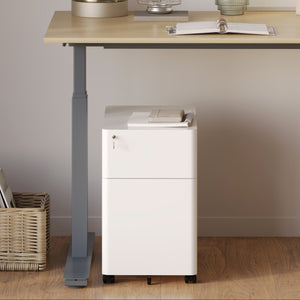






















Filing Cabinet Choices for Cleaner Workstation Planning
Cleaner workstation planning starts with filing storage that matches the desk, document volume, security needs, and daily workflow. Explore how cab...
Learn more
Visit quiz page to see how we makes it easy to create an inspiring workplace


Work styles are rarely identical. Some people prefer long stretches of seated concentration. Others find that standing helps them think more clearly and stay energized. Many professionals shift between both throughout the day. The real question is not whether sitting or standing is better. The real goal is building a workspace that supports both without interrupting your workflow.
Furniture plays a major role in how comfortable and productive your day feels. A desk that forces you into one position can lead to fatigue, discomfort, or distraction. On the other hand, a flexible setup allows your body to move naturally as your focus shifts between tasks.
When your workspace matches your work style, it stops being something you constantly adjust. Instead, it becomes something that quietly supports you throughout the day.
Every person approaches work differently. Some thrive in a structured routine while others prefer dynamic movement. Your furniture should reflect those habits rather than fight against them.
When a workspace does not match your natural rhythm, small frustrations appear. A desk may feel too low when standing. A chair might not support your posture during long tasks. Even the placement of your monitor can influence how comfortable you feel after several hours.
Over time these small inconveniences add up. They affect focus, posture, and even energy levels.
Studies on workplace habits show that alternating between sitting and standing can help reduce fatigue and improve circulation. Research discussed in this article about the health effects of standing desks highlights that movement throughout the workday is often more beneficial than remaining in a single position.
The key takeaway is simple. Flexibility in your workspace allows you to adapt your environment to your body instead of adapting your body to your furniture.
Modern work habits have changed dramatically. Remote work, hybrid schedules, and long hours at the computer require furniture that adapts to different tasks.
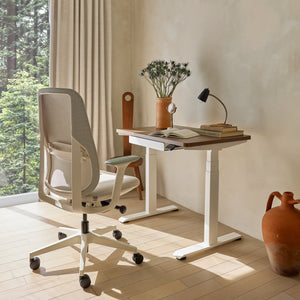
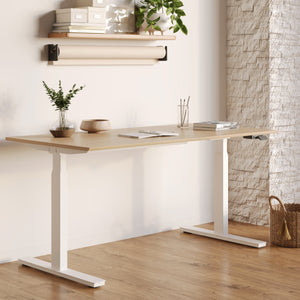
A well designed standing desk allows you to shift positions throughout the day without disrupting your workflow. Instead of committing to sitting all day, you can raise the desk when you need more energy or movement.
This flexibility supports both productivity and comfort.
Alternating between sitting and standing offers several advantages.
• Improves circulation during long work sessions
• Reduces pressure on the lower back
• Encourages subtle movement throughout the day
• Helps maintain alertness and focus
A desk that adjusts smoothly makes these transitions effortless.
When you change positions, your body resets. This simple shift can refresh concentration during mentally demanding tasks.
People who regularly switch between sitting and standing often report:
• Less mid afternoon fatigue
• Better focus during meetings
• Improved posture awareness
• Higher overall comfort during long workdays
The result is a workspace that supports sustained productivity rather than draining energy.
Even if you use an adjustable desk, sitting remains important. Writing, reading, and detailed tasks often require stability and support that standing alone cannot provide.
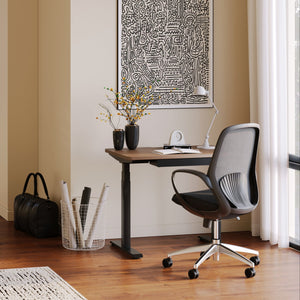
This is why an ergonomic chair remains one of the most important elements of a workspace.
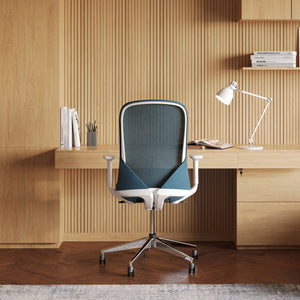
A chair designed with ergonomics in mind supports natural spinal alignment. Proper lumbar support helps reduce strain on the lower back while adjustable features allow the chair to fit different body types.
A good ergonomic chair encourages healthy posture by providing:
• Adjustable seat height
• Lumbar support for the spine
• Breathable materials for comfort
• Balanced weight distribution
Discomfort is one of the biggest enemies of concentration. When your chair lacks support, your body constantly adjusts to relieve pressure points.
Over time these adjustments become distractions. An ergonomic chair removes that problem by allowing you to remain comfortable for longer periods without constant repositioning.
Not every workspace is large. Many home offices exist in compact rooms, shared spaces, or small apartments. Choosing furniture that fits the room is just as important as choosing furniture with the right features.
A well scaled desk keeps your workspace open and organized. Oversized desks can make small rooms feel cramped while undersized surfaces limit functionality.
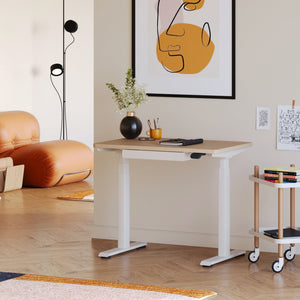
For professionals working in smaller environments, a carefully sized Mini Standing Desk Los Angeles setup offers flexibility without overwhelming the room. Compact adjustable desks make it possible to enjoy the benefits of standing workstations while maintaining a clean and efficient layout.
The best workspaces feel balanced. Every piece of furniture should support productivity without dominating the room.
A desk and chair form the foundation of your workspace, but accessories help fine tune comfort and efficiency.
One of the most helpful additions is an adjustable monitor arm. This simple tool allows you to position your screen at the correct height and distance for your eyes.
Improper monitor height forces your neck to tilt forward or downward. Over time this posture can cause tension in the neck and shoulders.
An adjustable monitor arm allows you to:
• Align the screen with your eye level
• Free up desk space
• Adjust screen distance for comfort
• Maintain better posture throughout the day
Accessories often seem minor compared to desks and chairs, but they can significantly improve the overall workspace experience.
Small ergonomic improvements lead to:
• Less neck strain
• Better desk organization
• Increased visual comfort
• Improved long term posture
These adjustments help create a workspace that feels effortless rather than restrictive.
The best approach to workplace comfort is balance. Neither sitting nor standing should dominate the entire workday.
Instead of choosing one position, many professionals rotate between both depending on the task at hand.
Standing may work well for:
• Brainstorming sessions
• Short meetings
• Quick administrative tasks
Sitting may work better for:
• Detailed writing
• Long reading sessions
• Complex analytical work
The ability to switch positions throughout the day creates a natural rhythm that supports focus and reduces physical fatigue.
|
Workspace Factor |
Sitting Setup |
Standing Setup |
|
Posture Support |
Depends on chair quality |
Requires proper desk height |
|
Energy Levels |
Stable for focused work |
Encourages movement |
|
Circulation |
Limited movement |
Improved blood flow |
|
Workspace Flexibility |
Fixed posture |
Adjustable position |
|
Best For |
Long concentration tasks |
Short active sessions |
A balanced setup combines both methods rather than relying entirely on one.
The first step in designing a workspace is understanding how you work throughout the day.
Ask yourself a few key questions.
• Do you spend long hours writing or reading?
• Do you prefer active brainstorming sessions?
• Do you frequently switch between tasks?
These answers help determine which furniture features matter most.
Furniture should simplify your routine rather than complicate it.
An efficient workspace typically includes:
• A desk that supports multiple positions
• A chair that encourages proper posture
• Accessories that reduce physical strain
Sometimes the best workspace is the simplest one. Too many adjustments, gadgets, or furniture pieces can create unnecessary clutter.
Focus on tools that truly improve your workflow.
A clean, functional environment helps you stay focused on your work rather than constantly reorganizing your space.
Furniture choices influence more than daily comfort. They shape long term productivity, posture habits, and even mental focus.
When your workspace adapts to your needs, it reduces the friction that often interrupts concentration. You spend less time adjusting your environment and more time completing meaningful work.
Professionals who invest in ergonomic and adaptable furniture often report better focus and less fatigue during long workdays. Over time this consistency helps build healthier work habits and a more enjoyable workspace experience.
The goal is not perfection. The goal is creating a space that supports your routine in a natural and comfortable way.
Creating a balanced workspace starts with simple decisions. The right furniture allows you to sit when you need stability and stand when you need movement.
Use this checklist to evaluate your current setup.
• Does your desk allow you to switch positions easily?
• Does your chair support your posture during long tasks?
• Is your monitor positioned at eye level?
• Does your workspace fit comfortably within your room?
• Do your tools support your daily workflow?
If your workspace supports these essentials, it will naturally encourage healthier work habits.
The most effective work environments are not rigid. They adapt to the person using them. When your furniture supports both sitting and standing, your workspace becomes flexible enough to match the way you actually work.
That balance leads to better comfort, stronger focus, and a workday that feels far more natural.


You have unlocked free shipping!
You're saving $29 and unlocked free shipping!
Leave a comment