



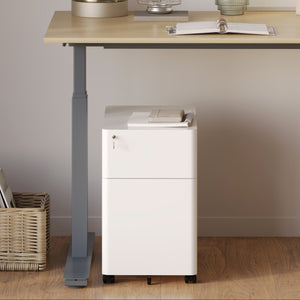






















Filing Cabinet Choices for Cleaner Workstation Planning
Cleaner workstation planning starts with filing storage that matches the desk, document volume, security needs, and daily workflow. Explore how cab...
Learn more
Visit quiz page to see how we makes it easy to create an inspiring workplace


There’s a point in every long workday or study session where the energy dips. You look at the clock, stretch your back, and suddenly realize you’ve read the same sentence twice. The problem isn’t just mental—it’s physical and environmental too.
Boredom happens when your mind doesn’t get enough stimulation or your body feels uncomfortable for too long. The key isn’t to fight it with more caffeine or endless playlists, but to redesign your space and habits so your focus comes naturally.
Let’s break down how to keep your attention alive through thoughtful furniture, lighting, and daily movement—all without turning your space into a distraction zone.
Our brains are wired to seek novelty. When we stay in the same posture, in the same space, with the same view, attention fades. Variety helps keep cognitive activity active.
Lack of posture change
Low lighting or poor ventilation
Repetitive tasks with no physical breaks
Visual clutter and overstimulation
Uncomfortable seating or bad desk layout
The environment doesn’t just affect how we feel—it affects how well we process, create, and remember information.
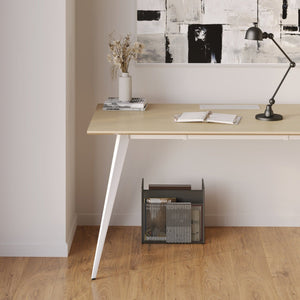
A cluttered workspace signals disorganization to the brain. A functional desk helps create mental order. The Office Desk California offers balance—structured enough for focus, yet open enough to invite creativity.
|
Element |
Role |
Result |
|
Proper height |
Aligns posture |
Reduces fatigue |
|
Minimal layout |
Keeps tasks clear |
Enhances focus |
|
Smooth surface |
Encourages movement |
Prevents tension |
|
Subtle color tones |
Promotes calm |
Supports creativity |
When your desk works for you, your brain doesn’t have to work against discomfort.
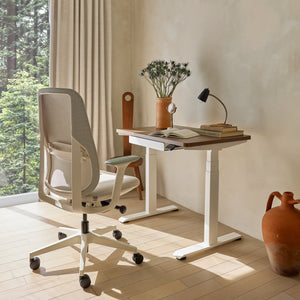
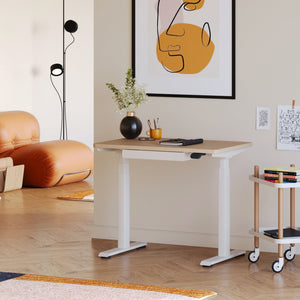
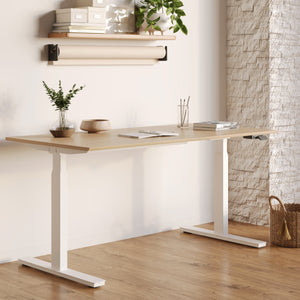
One of the fastest ways to refresh your focus is to change posture. The standing desk encourages this by allowing you to shift between sitting and standing, activating circulation and alertness.
Start your morning standing for the first 20 minutes.
Sit for your main focus block.
Switch back to standing for calls or light work.
End the day standing for review tasks.
Movement isn’t a distraction—it’s maintenance for attention.
Lighting affects both energy and perception of time. Natural light boosts dopamine levels, while soft artificial light prevents eye strain.
Keep desks near windows for gentle daylight.
Use adjustable lamps for precision work.
Add warm light for late sessions.
Avoid harsh glare from overhead bulbs.
A mix of light tones keeps the body awake and the mind calm.
Visual clutter creates mental noise. A clean, functional layout makes the brain more efficient at filtering information.
|
Area |
Task |
Benefit |
|
Drawers |
Sort weekly |
Keeps order consistent |
|
Surface |
Keep only essentials |
Reduces overload |
|
Wall space |
Add minimal decor |
Maintains calm focus |
|
Cables |
Hide or clip |
Keeps lines clean |
Clarity in your environment breeds clarity in your work.
An academic study on ergonomics shows how posture, lighting, and workspace design affect not only productivity but also emotional regulation.
Proper seating alignment prevents mental fatigue.
Regular movement increases oxygen to the brain.
Visually calm spaces reduce cognitive load.
Furniture proportion impacts comfort perception.
Science proves what we feel daily—when our body is at ease, our mind stays alert.
Sometimes, company helps sustain focus. A two-person standing desk combines collaboration and structure, giving space for both teamwork and solitude.
Maintain visual balance between users.
Keep lighting even across both zones.
Use subtle dividers for privacy.
Sync breaks to keep energy aligned.
Shared work areas foster accountability and shared momentum—ideal for study sessions or creative projects.
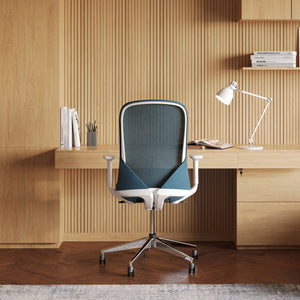
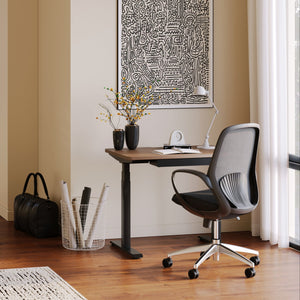
Your chair determines how your body holds attention. An ergonomic Novo chair provides adaptive support, keeping your muscles relaxed without forcing stillness.
|
Feature |
Function |
Benefit |
|
Adjustable height |
Aligns desk posture |
Improves circulation |
|
Lumbar support |
Maintains spine curve |
Reduces fatigue |
|
Flexible armrests |
Supports movement |
Prevents wrist tension |
|
Breathable fabric |
Regulates comfort |
Extends focus time |
A comfortable chair makes long hours feel shorter and more productive.
Even small motions—stretching fingers, shifting feet, or twisting shoulders—can improve blood flow.
Roll your wrists every 20 minutes.
Do gentle shoulder shrugs during calls.
Stand and stretch side-to-side once an hour.
Flex toes and ankles under your desk.
Motion keeps energy flowing and prevents the mind from drifting.
Colors subtly change how the brain perceives space and energy. A good balance helps maintain alertness without causing distraction.
|
Color |
Effect |
Best Use |
|
Green |
Balance and calm |
Desk accessories |
|
Blue |
Stability and focus |
Walls or lamps |
|
Yellow |
Optimism and energy |
Small accents |
|
White |
Clarity and light |
Desk surfaces |
Color harmony reduces tension while stimulating creativity—perfect for study or remote work zones.
Surfaces affect comfort more than you might realize. Smooth textures promote focus, while tactile materials provide grounding during long tasks.
Add a wooden coaster or mouse pad for tactile variation.
Use fabric organizers or soft trays to reduce noise.
Choose matte surfaces to prevent glare.
Keep a small plant to soften your visual space.
The senses are the fastest way to reengage the mind during dull moments.

Silence can sometimes make your thoughts wander, while certain sounds enhance deep focus.
Lo-fi beats or jazz for steady rhythm.
Instrumental film scores for creative tasks.
Nature sounds calm and balanced.
Silence or white noise for reading-intensive work.
Experiment with audio that feels natural to your concentration style.
Boredom thrives when rest doesn’t feel restful. Instead of endless scrolling, choose restorative pauses.
|
Break Type |
Duration |
Activity |
|
Eye reset |
2 minutes |
Look at distant objects |
|
Movement |
3 minutes |
Light stretching |
|
Breath |
1 minute |
Deep inhale/exhale |
|
Reset |
5 minutes |
Walk or hydrate |
Short but mindful pauses keep energy flowing evenly throughout the day.
Routine doesn’t kill creativity—it protects it. When your mind knows what to expect, it spends less energy fighting distractions.
Start each session with a short workspace reset.
Define your top three priorities in writing.
Schedule intentional pauses every 90 minutes.
Close each session with a reflection or note for tomorrow.
Rhythm replaces boredom with momentum.
Minimalist design has psychological benefits. Studies show that clean layouts help reduce decision fatigue and emotional clutter.
|
Area |
Change |
Impact |
|
Desk items |
Limit to essentials |
Improves focus flow |
|
Wall decor |
Keep neutral |
Encourages calm |
|
Storage |
Use hidden bins |
Reduces distraction |
|
Lighting |
Keep soft |
Maintains mood consistency |
Your environment should support action, not compete for attention.
Physical wellness is tied directly to cognitive engagement. When your body feels strong and comfortable, mental flow follows naturally.
Drink water regularly.
Adjust monitor brightness for comfort.
Use an ergonomic setup to support posture.
Include daily 10-minute stretches.
Healthy work rhythms keep both body and brain balanced.
Temperature affects motivation as much as lighting. A slightly cool room promotes alertness, while poor air circulation encourages drowsiness.
Keep temperature between 68–72°F.
Add plants for better oxygen.
Open windows during breaks.
Use a small fan for airflow if needed.
Fresh air and comfort are natural stimulants for focus.
Boredom fades when your workspace becomes intuitive—when movement, lighting, and comfort work together without effort.
|
Element |
Purpose |
Outcome |
|
Desk balance |
Encourages order |
Focuses attention |
|
Movement breaks |
Refresh the body |
Extend energy |
|
Lighting |
Regulates alertness |
Prevents fatigue |
|
Comfort design |
Reduces strain |
Improves creativity |
The right setup doesn’t just look good—it makes work or study feel natural.

When your desk, chair, and routine all align, boredom loses its grip. You’re not forcing yourself to focus—you’re inviting it.
Good design fuels attention.
Comfort keeps creativity alive.
Movement restores energy.
Order creates peace of mind.
Your workspace should remind you that focus isn’t about staying still—it’s about staying in rhythm with how your mind and body truly work.


You have unlocked free shipping!
You're saving $29 and unlocked free shipping!
Leave a comment