



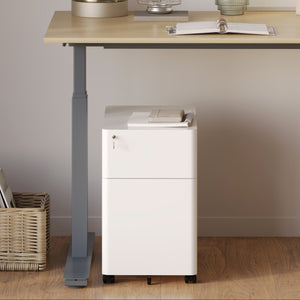






















Filing Cabinet Choices for Cleaner Workstation Planning
Cleaner workstation planning starts with filing storage that matches the desk, document volume, security needs, and daily workflow. Explore how cab...
Learn more
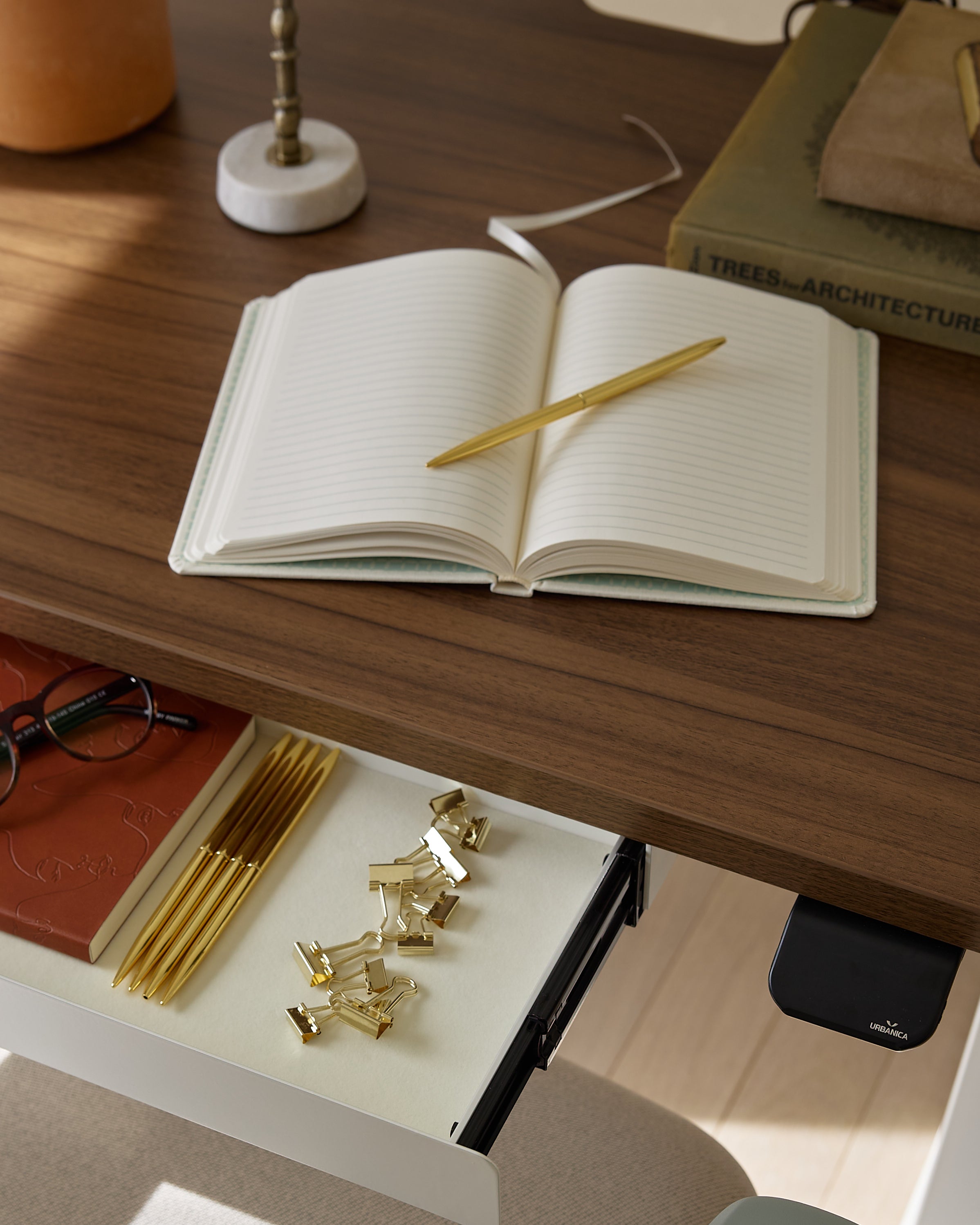
Visit quiz page to see how we makes it easy to create an inspiring workplace


Furniture is part of everyday life. Whether it is used for work, relaxation, or daily routines, it experiences constant use that can slowly lead to wear and damage. Over time, even high-quality pieces can lose their appearance and function if not properly maintained.
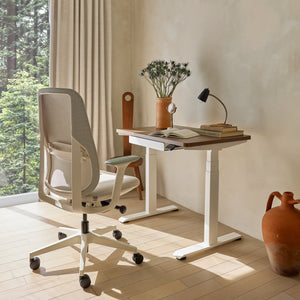
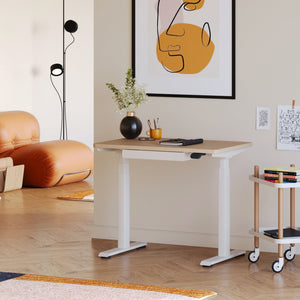
With the right habits, you can protect your investment and keep everything looking new. Even compact setups like a Mini Standing Desk California benefit from consistent care and mindful use. The key is understanding how to reduce stress on materials and maintain them over time.
Furniture does not wear out overnight. Most damage builds up gradually through repeated use and small everyday actions.
Common causes of wear include:
Constant pressure on surfaces
Improper cleaning methods
Exposure to moisture or sunlight
Clutter and poor organization
Uneven weight distribution
These factors slowly affect both the structure and appearance of furniture. Recognizing them early helps you prevent long-term damage.
Flat surfaces are often the most used areas. Whether it is a table or a workspace, proper care is essential to maintain durability.
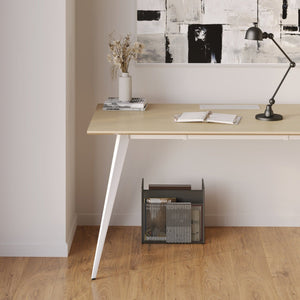
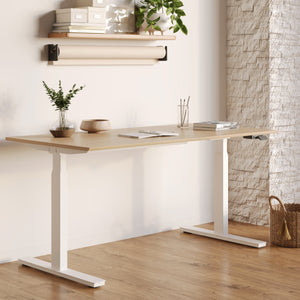
A well-structured office desk or similar surface can last longer when protected from everyday damage.
Scratches from objects
Stains from spills
Fading due to sunlight
Use protective mats or pads
Clean spills immediately
Avoid placing hot or wet items directly on surfaces
Keep sharp objects from direct contact
These small steps help preserve the appearance and strength of your furniture.
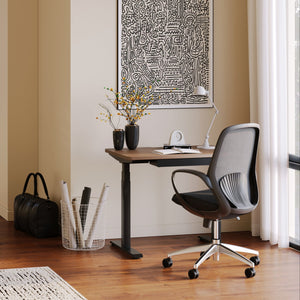
Furniture with moving parts requires regular care to maintain smooth operation. A flexible standing desk is a good example of how movement adds convenience but also requires maintenance.
Dust buildup
Stiff or uneven movement
Reduced stability
Clean joints and mechanisms regularly
Avoid forcing adjustments
Keep surfaces dry
Check components for wear
Proper care ensures long-term functionality.
Seating is one of the most frequently used types of furniture. Constant use can lead to fabric wear, reduced cushioning, and structural strain.
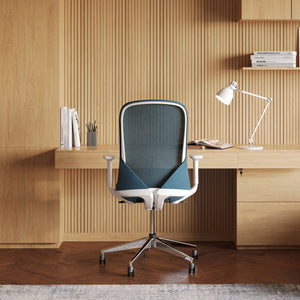
A supportive ergonomic office chair helps reduce stress on both the furniture and your body.
To extend the life of seating:
Avoid sitting on edges or uneven positions
Clean surfaces regularly
Adjust settings properly
These habits help maintain comfort and durability.
Accessories help distribute weight and reduce strain on surfaces. An ergonomic arm, for example, lifts devices off surfaces and reduces pressure.
Reduce surface wear
Improve organization
Minimize clutter
Monitor arms
Cable organizers
Surface protectors
These additions help maintain both function and appearance.
Preventing wear starts with choosing durable materials. Some surfaces are more resistant to damage and easier to maintain.
Insights from this furniture durability guide highlight how material choice affects long-term performance.
When selecting furniture, consider:
Resistance to scratches and stains
Ease of cleaning
Structural strength
Choosing wisely reduces maintenance needs over time.
|
Cause of Wear |
Impact |
Prevention Method |
Result |
|
Scratches |
Surface damage |
Use protective pads |
Cleaner appearance |
|
Dust buildup |
Reduced function |
Regular cleaning |
Smooth operation |
|
Improper use |
Structural strain |
Correct usage habits |
Longer lifespan |
|
Moisture exposure |
Warping |
Immediate cleaning |
Material protection |
|
Overloading |
Instability |
Balanced weight |
Better durability |
Daily habits play a big role in preventing damage. Small actions add up over time and help maintain furniture quality.
Wipe surfaces regularly
Keep areas organized
Avoid unnecessary pressure on surfaces
Adjust furniture properly before use
Clean weekly
Inspect for early signs of wear
Fix minor issues quickly
Consistency helps prevent long-term damage.
Taking care of furniture provides lasting benefits beyond appearance.
These include:
Longer lifespan
Reduced replacement costs
Better functionality
Improved overall environment
Proper care ensures your furniture continues to support your daily activities effectively.
Furniture does not only wear out from use. The environment around it also plays a big role in how quickly it deteriorates. Temperature, humidity, and lighting can all affect materials over time.
For example, direct sunlight can cause fading, while high humidity can weaken wood and fabric. Dry environments can also lead to cracking or brittleness in certain materials.
Even with proper care, poor environmental conditions can shorten the lifespan of furniture. Managing these factors helps protect your setup.
Direct sunlight causing fading
High humidity leading to warping
Dry air causing cracks in materials
Dust buildup from poor ventilation
Keep furniture away from direct sunlight
Maintain balanced indoor humidity
Clean regularly to reduce dust buildup
Position furniture in well-ventilated areas
Managing your environment helps preserve both appearance and structure.
One often overlooked method of preventing damage is simply changing how furniture is used over time. Repeated pressure in the same areas can lead to uneven wear, especially on seating and frequently used surfaces.
By rotating or repositioning furniture, you can distribute usage more evenly and reduce stress on specific areas.
Using the same spot repeatedly creates pressure points that weaken materials faster. Rotation helps balance that wear.
When certain areas show signs of wear
When usage patterns remain the same daily
When furniture is used by multiple people
Change seating positions regularly
Rotate cushions or components if possible
Rearrange layout occasionally to balance use
This approach helps extend the lifespan of your furniture without additional cost.
Furniture care should not be the same all year round. Seasonal changes can affect materials differently, making it important to adjust your maintenance routine.
Temperature shifts and humidity changes can impact how materials expand, contract, or respond to cleaning.
Adapting your maintenance routine helps prevent damage caused by environmental changes throughout the year.
Increase cleaning during dusty seasons
Monitor humidity levels during rainy or dry periods
Check for material changes during temperature shifts
Schedule deep cleaning every few months
Inspect furniture for early signs of wear
Adjust placement based on seasonal conditions
By aligning your care routine with seasonal changes, you can maintain your furniture more effectively and prevent long-term damage.
Furniture is part of your daily routine, and maintaining it helps create a more comfortable and reliable environment. With the right habits, you can extend its life and keep it looking its best.
Use protective accessories
Clean surfaces regularly
Avoid overloading furniture
Maintain moving parts
Choose durable materials
Address minor issues early
Build consistent care habits
Taking care of your furniture is a long-term investment. The more attention you give it, the better it will support you every day.


You have unlocked free shipping!
You're saving $29 and unlocked free shipping!
Leave a comment