



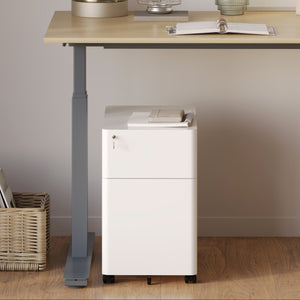






















Filing Cabinet Choices for Cleaner Workstation Planning
Cleaner workstation planning starts with filing storage that matches the desk, document volume, security needs, and daily workflow. Explore how cab...
Learn more
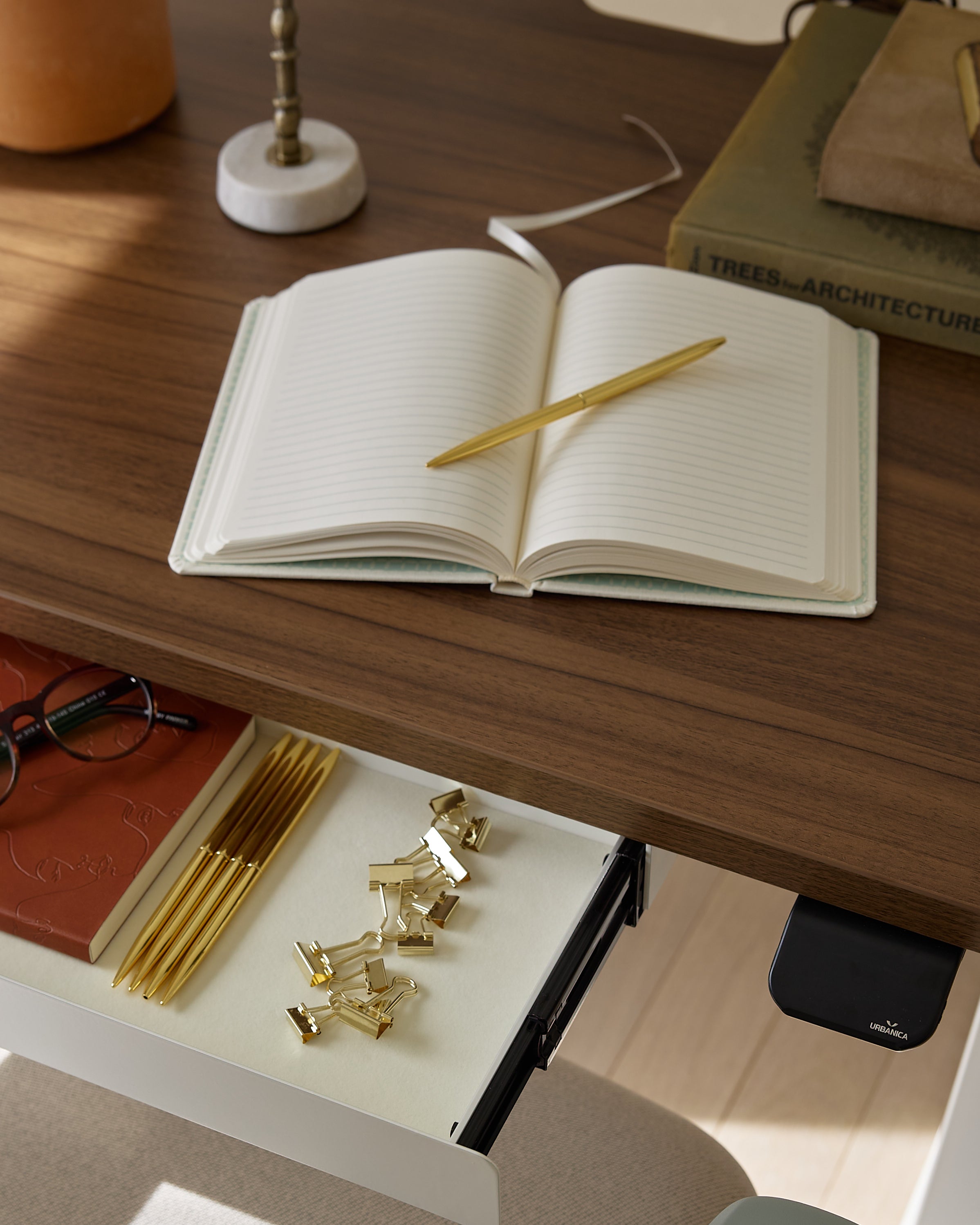
Visit quiz page to see how we makes it easy to create an inspiring workplace


The way you work affects how you feel. Small habits influence everything from your posture to your motivation and even your overall mood. You do not need a full office makeover to feel better during the day. Simple changes to your routine, combined with intentional workspace updates, can create meaningful improvements in comfort, clarity, and productivity. With thoughtful adjustments and ergonomic awareness, your daily workflow becomes smoother and more enjoyable.
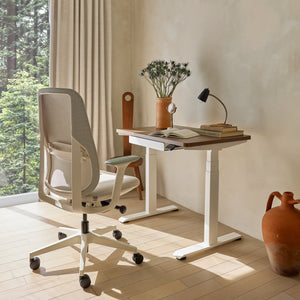
The body responds well to small movements during the workday. A compact Small Standing Desk California option helps you stay active without overwhelming your workspace. Gradually switching between sitting and standing helps your body remain energized.
It boosts circulation.
It reduces stiffness from long sitting periods.
It supports a more natural workflow.
Movement does not need to be intense. Even small posture shifts make a noticeable difference.
Height changes support mental alertness. Using a flexible standing desk lets you adjust your routine effortlessly. Standing for certain tasks can help your mind stay engaged and your body feel balanced.
Encourages active posture changes.
Reduces fatigue during long tasks.
Helps improve focus by breaking repetitive patterns.
Height flexibility supports energy levels throughout the day.
A functional surface supports clarity. A well structured office desk layout helps you stay organized. When your desk feels tidy, your thoughts follow.
Keep only essential tools within reach.
Store small accessories in a single drawer.
Use minimal desk décor to keep your attention steady.
A calm surface supports a calm mind.
Productivity grows when your environment supports healthy posture. A concise ergonomic study highlights how ergonomics influence energy, focus, and efficiency. These principles help guide daily habits.
Eye level screens reduce neck strain.
Neutral wrist positioning limits fatigue.
Proper lighting improves long term comfort.
Small ergonomic corrections support bigger productivity improvements.
Upper body tension builds quickly during repetitive tasks. Introducing an Ergonomic Arm helps your shoulders stay relaxed while typing, writing, or reviewing documents. Support improves posture without major changes.
Less shoulder tightness.
More relaxed wrist positioning.
Reduced upper back discomfort.
Comfort enables consistent focus.
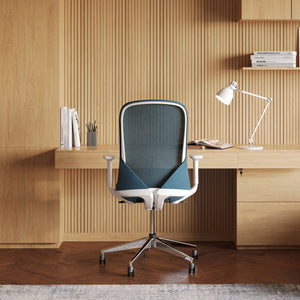
A supportive office chair helps maintain healthy posture during long seated periods. Proper seating reduces the need for constant adjustments and allows your body to stay aligned naturally.
Better spine alignment.
Reduced lower back pressure.
Smoother posture transitions.
Good seating makes a noticeable difference in how you feel throughout the day.

|
Habit |
Immediate Effect |
Long Term Benefit |
|
Standing for part of the day |
Boosts alertness |
Reduces chronic stiffness |
|
Decluttering your surface |
Clears mental space |
Enhances focus consistency |
|
Using proper arm support |
Reduces shoulder tension |
Supports posture over time |
|
Adjusting lighting |
Reduces eye strain |
Supports long work sessions |
|
Taking short breaks |
Refreshes your mind |
Improves productivity |
|
Using supportive seating |
Improves comfort |
Reduces long term discomfort |
Movement breaks do not need to be complicated. Gentle stretching or standing for a few minutes resets your body and clears your thoughts. These breaks are especially helpful during long work periods.
Stretch your arms or legs every hour.
Stand for short reading tasks.
Walk briefly when transitioning between tasks.
Physical resets support mental resets.
Clutter becomes visual noise. A tidy workspace helps your brain process information more easily. This boosts productivity and gives you a sense of control over your day.
Clear your desk at the end of each day.
Use one container for loose items.
Keep cords organized to reduce visual distractions.
Clean surroundings make work feel less overwhelming.
Lighting influences your energy and your visual comfort. Balanced lighting helps prevent eye fatigue and supports longer periods of focus. Warm lighting can improve mood, while natural light increases alertness.
Use a soft desk lamp for evening tasks.
Position your workspace near a window when possible.
Avoid strong lights directly behind your screen.
Lighting can transform how your workspace feels.
Simple reset habits help your day stay structured. These habits require only a few minutes but create lasting improvements in how you work and feel.
Sort papers before lunch.
Refresh your surface at the end of the day.
Reposition your chair before each new task.
These minor routines keep your mind clear.
Your daily rhythm influences how well you focus. Interior design and ergonomic habits should support your natural timing rather than fight against it. Use cues within your workspace to guide your structure.
Use standing sessions during high energy hours.
Schedule deep focus tasks when your surroundings feel quiet.
Reset your space before winding down.
This alignment helps your routine feel intentional and easier to sustain.
Use this checklist to implement daily habits that improve comfort, clarity, and productivity.
Daily Habit Checklist
Switch between sitting and standing.
Keep your desk surface clear.
Use intentional lighting.
Maintain arm support while typing.
Keep your seating aligned with your posture.
Take brief movement breaks.
Store tools where your hands expect them.
Refresh your workspace before ending the day.
Keep décor minimal and meaningful.
Follow ergonomic alignment principles.
Changing how you work influences how you feel. The right habits reduce stress, improve posture, and support your overall wellbeing. Over time, these small changes build into a foundation of comfort and consistency.
Clearer thinking.
More steady focus.
Less tension in your body.
Healthy habits create better working days and smoother transitions into your personal time.
Small adjustments are powerful because they are easy to maintain. You do not need a complete lifestyle overhaul to improve your comfort or productivity. With thoughtful habits, ergonomic support, and simple workspace updates, your workday becomes more enjoyable and more efficient.
Better comfort during long tasks.
A steady sense of calm.
Stronger focus without forcing it.
Your environment begins transforming how you feel every day.

Simple habits, ergonomic upgrades, and mindful routines create a workspace that truly supports you. When small improvements become your daily rhythm, both your productivity and your wellbeing grow. A calmer, more intentional workspace encourages your best work and helps you feel more grounded.


You have unlocked free shipping!
You're saving $29 and unlocked free shipping!
Leave a comment