



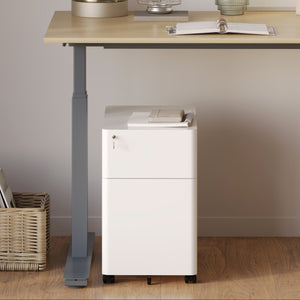






















Filing Cabinet Choices for Cleaner Workstation Planning
Cleaner workstation planning starts with filing storage that matches the desk, document volume, security needs, and daily workflow. Explore how cab...
Learn more
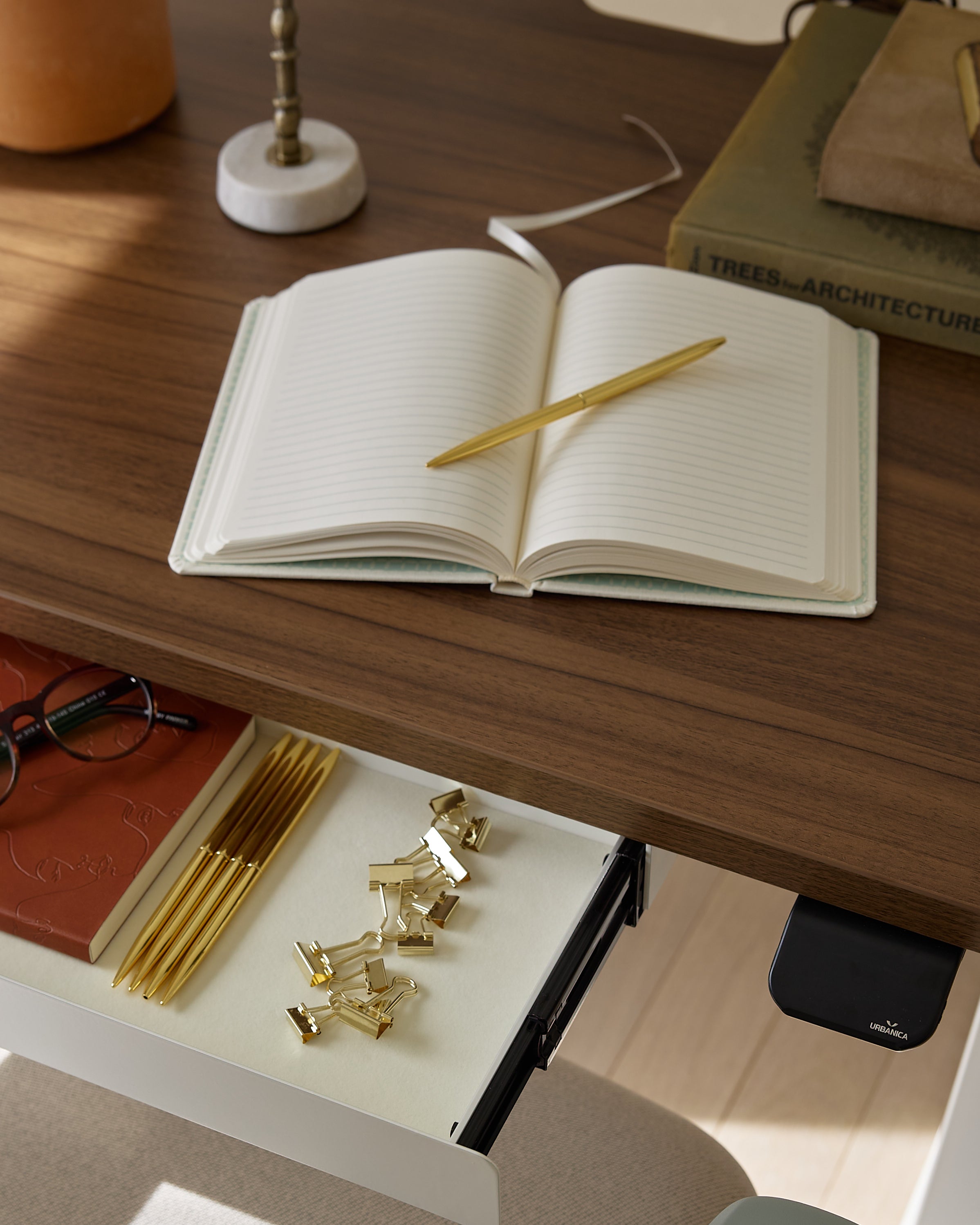
Visit quiz page to see how we makes it easy to create an inspiring workplace


Modern workspace seating is evolving in ways that are often overlooked. Many of the most impactful features are invisible at first glance, yet they shape the way people sit, move, and stay comfortable through long stretches of focused work. As a brand committed to thoughtful, human-centric design, Urbanica approaches every chair as an engineered environment crafted to support the body with subtlety rather than spectacle. Beneath each surface and panel are details intended to serve real lifestyles and real work habits without relying on flashy or exaggerated mechanisms.
One of the most overlooked features in a high-performing chair is the lumbar architecture hidden behind the seat back. These components are not meant to draw attention. They are designed to quietly support the natural curve of the spine, encouraging healthy posture that feels intuitive rather than forced. Chairs with internal lumbar adjustments often include systems that glide with micro resistance, responding to the body’s natural shifts while keeping the lower back supported.
This type of responsive foundation aligns with the qualities people need in long-term seating. It is about providing a supportive base without rigid constraints or over-engineered gimmicks. Users who value a dependable lumbar structure tend to appreciate our commitment to ergonomics, including the qualities featured in designs like the ergonomic lumbar-focused build offered in our seating collection: ergonomic lumbar-focused build
Another hidden strength in high-quality task seating lies within the recline mechanism. Quiet, weight-responsive recline systems are engineered to support the body’s natural rhythm. When movement is subtle and the mechanism helps create gentle, controlled motion, the result is a sense of comfort that allows users to focus fully on work. These under-the-surface systems encourage posture changes without the jarring sensations that often accompany rigid locks or heavily leveraged recline structures.
Chair comfort often begins with seat geometry. The shape, curvature, and tilt behavior of a seat pan can affect the hips, thighs, and lower back significantly. High performing seats tend to incorporate pans that slope with a gentle, organic gradient. This design approach avoids extreme contours while subtly guiding the body into neutral alignment.
Pressure distribution ensures that no single area of the body carries too much weight. Balanced pressure across the seat helps reduce discomfort, allowing users to maintain healthier posture for longer periods. Even small geometric cues in a seat pan influence circulation and posture, which is why these elements play such a meaningful role even when they remain unseen.
The mechanics beneath a chair often define how it integrates into a workspace. Stable bases and quiet casters shape movement and overall usability. These features rarely call attention to themselves but have considerable impact on daily workflows.
Smooth, quiet mobility is an essential part of a productive workspace. Low noise caster systems are engineered with materials designed to glide over a variety of floor surfaces without creating disruptive sound. They help users shift between tasks, reach tools, or move around their desk without interruption. Wheels built from durable yet gentle materials also protect flooring and ensure a consistent, controlled roll over time. Chairs using these thoughtfully designed casters embody the low profile functionality that many users do not notice immediately but appreciate through constant use: quiet mobility wheel design
Weighted bases provide grounding. They reduce wobble, prevent sudden tipping sensations, and create an anchoring effect for the upper body. Stability is especially important when a user shifts from resting to active typing or leans into arm support. These bases are designed to balance firmness with openness, giving users the freedom to move without feeling disconnected from the chair.
Tilt locking systems often sit discreetly within the base column. Multi stage variations offer several levels of recline support, giving users the option to control how much movement the chair allows. These systems respond to body weight and resistance with gentle calibration, creating a tailored tilt experience without drawing attention to the mechanism itself.
When tilt resistance works in harmony with chair stability, users enjoy motion that supports circulation and reduces tension. This balanced motion creates an intuitive sense of alignment without requiring deliberate effort.
A chair’s aesthetic qualities influence the experience of a workspace as much as its mechanical features. Subtle sculpting, clean lines, and material choices contribute to emotional clarity and focus. Urbanica approaches these elements as a form of supportive minimalism that offers calm rather than distraction.
Organic, contoured seating shapes give users a sense of natural ease, especially in creative or high focus environments. These forms mimic the fluidity of the body, reducing visual harshness. When a chair’s silhouette feels natural and balanced, the mind often follows. Chairs that feature this type of profile reflect a thoughtful understanding of comfort, similar to the contoured organic shell form found in select seating pieces: contoured organic shell form
Slim profile seating helps maintain a clean workspace. Reduced visual clutter promotes concentration and creates an open environment ideal for modern setups. Minimalist frames do not imply fragility. They are carefully engineered to offer visual lightness while maintaining the strength needed for everyday use.
Texture can influence how grounded a workspace feels. Soft matte finishes, lightly grained materials, and understated surface treatments can create a calming sensory experience. Chairs that lean into subtle finishes create cohesion with a wide range of interior styles and protect the mind from overstimulation.
Visual harmony plays an important role in focus. When the eye is not distracted by complex forms or competing color elements, the brain has more space to concentrate on work or creative tasks.
Material quality determines long term comfort. Without appearing complex or mechanical, fabric and frame choices help regulate temperature, improve support, and maintain comfort during extended periods of use.
Breathable materials allow airflow around the body, reducing heat retention. Thermo neutral fabrics balance temperature and minimize moisture buildup. Users gain a more consistent comfort experience through fabric that quietly manages the environmental aspects of sitting.
Flexible frame designs support the body while accommodating natural movement. They bend gently with posture changes and return to neutral without noticeable resistance. These frames enhance comfort by reducing the feeling of being constrained. Their behavior aligns with the adaptable support frame structure found in thoughtfully engineered seating collections: adaptable support frame structure
Cushion systems built with multi layer structures maintain their shape and provide consistent support. Comfort remains steady whether a user is leaning forward to concentrate or leaning back to reflect.
Durability is about reliability rather than exaggerated claims. Materials that resist premature wear ensure consistent support and prolong the life of the product without compromising comfort or stability.
Seating does not function in isolation. The synergy between chair and desk influences posture, movement, and overall performance. Urbanica designs consider these relationships so that each furniture piece complements the others in both form and function.
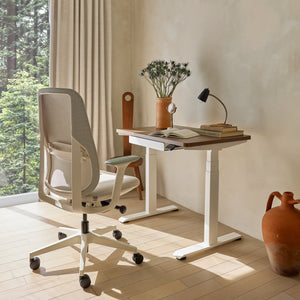
Height range determines whether a chair aligns well with a user’s preferred desk height. The connection between chair height and desk surface directly impacts the shoulders, forearms, and wrists. Chairs that offer controlled height adjustability adapt well to a variety of desk types, which aligns naturally with desk height alignment principles shown in our workspace pieces: desk height alignment principles
Standing desk users rely on seamless transitions between seated and elevated positions. Chairs with balanced lift systems allow users to adjust their seat height without abrupt changes. These transitions support healthier workflow patterns and pair well with compatible positioning for sit stand work that many modern workspaces embrace: compatible positioning for sit-stand work
When chair and desk share a cohesive design language, the workspace feels more unified. Consistency enhances productivity by reducing unnecessary adjustments and helping users form stable habits. This approach mirrors the thoughtful variety present in our workspace ready desk options: workspace-ready desk options
A chair that moves smoothly encourages healthy reach distances. Well calibrated movement reduces strain and makes tasks feel more intuitive.
Mechanics, materials, and design all contribute to long term comfort and health. Chair features that support circulation, joint alignment, and natural posture make daily tasks more enjoyable and sustainable.
Ergonomic fundamentals include neutral posture support, load distribution, and balanced joint alignment. Chairs designed around these principles help users maintain stable posture throughout the day. Many of the most essential ergonomic recommendations can be seen in resources such as the ergonomic principles recommended by OSHA, which align with the core values we integrate into each design: ergonomic principles recommended by OSHA
Chairs that flex gently or allow small posture shifts support circulation and prevent stiffness. These micro movements encourage a more natural interaction with the seating environment.
Support systems built to reduce compression help alleviate the strain commonly experienced in the hips and lower back. These systems layer support strategically without relying on overly rigid materials.
Movement stimulates better blood flow. Even small adjustments made throughout the day help maintain sharper focus and energy.
The future of workspace design is grounded in practical innovation rather than unrealistic promises. Quiet engineering, thoughtful materials, and supportive silhouettes shape how people work and feel every day. As work environments continue to evolve, seating that emphasizes honest design and dependable functionality will remain essential.
Mechanisms are becoming more refined and less obtrusive. The goal is not to impress users with complexity but to offer performance that feels natural from the first moment of use.
Work habits are trending toward movement, comfort, and sustained focus. Chairs that respond intuitively to these needs help users adapt to changing work styles without requiring constant adjustments.
The chair often becomes the anchor of a workspace. When a chair offers supportive comfort, reliable structure, and understated refinement, users gain a stronger sense of control over their environment. This ultimately shapes a healthier and more intentional relationship with daily work.


You have unlocked free shipping!
You're saving $29 and unlocked free shipping!
Leave a comment