















Seashell Desk Chair Benefits for Compact Workflows

The Seashell Desk Chair as a Modern Solution for Compact Workflows
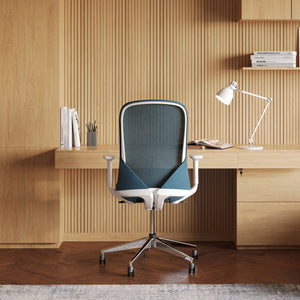
Compact work environments depend on thoughtful furniture choices that support comfort, organization, and efficiency without taking up unnecessary space. A seashell desk chair brings a balanced combination of sculpted form and practical ergonomics that aligns well with how people work in small rooms, corner setups, and multifunctional living areas. The curved back structure creates a natural boundary around the user, encouraging intentional posture and reducing the tendency to lean outside the immediate task zone. This helps maintain a consistent focus pattern in environments where workspace real estate is limited.
Why Shell Inspired Seating Fits the Realities of Micro Workspaces
Modern compact workspaces must manage visual clarity, mobility, and posture support in a single cohesive design strategy. A seashell inspired chair supports this through its smooth silhouette, integrated back support, and streamlined footprint. The chair typically fits neatly into smaller desk openings or shallow workspace cutouts, creating an immediate ergonomic advantage because the user is positioned closer to their primary tools. This close positioning minimizes unnecessary reaching and allows easier transitions between typing, reading, and touch based device use.
How Contoured Shell Forms Guide Natural Sitting Behavior
The signature shape of a seashell chair gently guides the body into a position that follows natural curves rather than forcing rigid alignment. This is particularly valuable in compact areas where workers may shift awkwardly to accommodate cramped conditions. The wraparound effect supports the upper back and shoulders while helping stabilize side to side movement.
Reinforcing a Neutral Spine in Confined Scenarios
Small rooms or corner stations often encourage slouching because of restricted legroom or cramped desk placement. The seashell shape helps the spine maintain a more neutral orientation, reducing the urge to collapse forward during long work intervals. The slight curvature provides a tactile reminder to stay centered and anchored.
Reducing Unconscious Lean and Reach Habits in Tight Desk Zones
In compact workstations, leaning even a few inches in any direction can create strain in the hips or lower back. With shell form seating, the user naturally remains closer to the center of their workflow, which can help reduce these repetitive micro movements.
Biomechanical Design Principles Behind Seashell Chairs
The seashell chair integrates organic structural elements that align with core ergonomic principles. The curvature of the back, the angle of the seat pan, and the general proportions of the frame work together to encourage stability and balanced posture.
Sculpted Back Curvature and Upper Body Guidance
The wrap around back panels support the shoulders without forcing the body into unnatural alignment. In a compact workspace, this helps counteract the restrictive effects of low clearance or minimal desk width. The subtle tapering of the back gently guides shoulder positioning, helping avoid internal rotation that can occur when users hunch toward a screen.
Seat Pan Geometry That Supports Healthy Hip Angles
The shallow tilt of the seat pan encourages a healthy hip angle that promotes circulation and comfort. This becomes even more important when legroom is limited or when a user is working in a small area where movement is minimal.
Micro Tilt Effects and Circulation Considerations
A mild forward angle helps reduce pressure under the thighs, making small work areas more comfortable over longer periods. This encourages subtle lower body movement, which supports circulation even in confined postures.
Why Leg Positioning Becomes More Crucial in Restricted Spaces
When leg movement is restricted by nearby walls, storage, or desk structure, poor positioning can quickly lead to strain. A seashell seat’s geometry supports a centered, balanced lower body position that helps reduce this strain.
Stability Enhancements That Minimize Overextension in Tight Layouts
The rounded seat edges and enclosed shell structure help keep the user in a consistent seating pattern. This stability means fewer compensatory movements and less twisting, especially important in compact environments.
How Seashell Chairs Interact With Compact Desks and Work Surfaces
The success of any chair in a small workspace depends on its relationship with the desk. The seashell chair pairs naturally with clean, simple work surfaces and compact desk formats.
Determining the Ideal Desk Footprint for Shell Form Seating
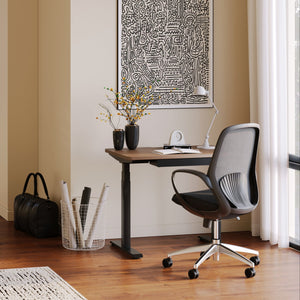
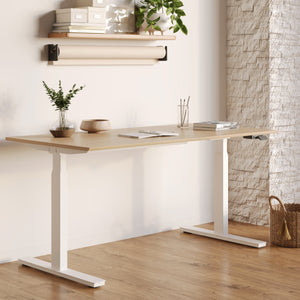
A balanced relationship between chair width, desk depth, and legroom improves comfort and workflow in tight rooms. Smaller workspaces often require narrower desks that still support essentials. Integrating compact desk options for small rooms helps create a layout that complements the chair’s seated posture and orientation.
When Minimalist Work Surfaces Enhance Seashell Chair Usability
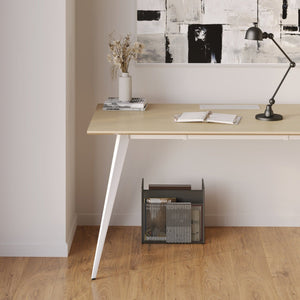
Minimalist desks support the seashell chair’s centered and grounded posture. Reduced clutter and clean lines let the chair’s shape work as intended within the workflow. Pairing it with a streamlined setup such as the clean, functional office desk layout can strengthen the overall ergonomics of the workspace.
Coordinating Chair Mobility With Adjustable Work Heights
Height adjustable platforms can expand the usability of compact rooms by allowing more dynamic posture changes. When paired correctly with a shell form chair, users maintain alignment across both seated and standing levels.
How Lift and Lower Motion Pairs With Shell Form Seating
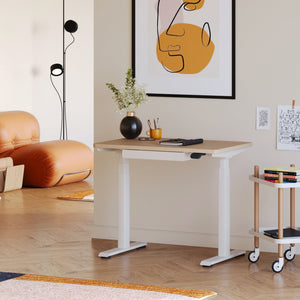
Smooth transitions between seated and standing positions rely on maintaining consistent posture during adjustments. The shell form helps the user settle back into a centered seat position after each height change, especially when used with a height adjustable desk setup.
Maintaining Alignment During Sit Stand Transitions in Compact Zones
In enclosed or limited floor plans, sit stand transitions can be less fluid. The seashell chair’s unified back and seat structure helps the user maintain balance and alignment in tight quarters.
Shell Form Seating Compared to Other Ergonomic Chair Types
Different ergonomic chairs offer varying levels of adjustability, cushioning, and structural intent. Comparing these options helps highlight where seashell chairs excel for compact workflows.
Seashell vs Onyx Chair: Minimal Contouring vs Full Ergonomic Framework
The Onyx chair offers a more adjustable ergonomic design intended for users who prefer customizable back and arm support. Exploring adjustable ergonomic Onyx chair design makes it clear that the seashell chair differs by focusing on simplicity and sculpted form rather than a feature heavy configuration.
Seashell vs Muse Chair: Aesthetic Seating for Tight Design Forward Interiors
The Muse chair prioritizes design character while maintaining comfort. It blends aesthetics with functional seating in ways that complement tight living and work areas. The stylish Muse chair profile allows users to compare artistic form to the seashell chair’s gentler, more enveloping silhouette.
Seashell vs Novo Chair: Stability of Shell Seating and Flexibility of Task Chairs
The Novo chair provides flexible support designed for movement heavy workflows. The seashell model offers more consistent grounding, while a product like the flex support Novo chair build allows more dynamic task engagement.
Footprint Differences That Matter in Micro Office Layouts
Each chair type varies in width, depth, and structural profile. Compact environments benefit from the seashell chair’s simplified footprint and lack of protruding elements.
How Armrest, Back Height, and Seat Depth Affect Reach Radius
Simple profiles typically reduce reach distance, improving ergonomics in tight desk configurations.
Workflow Efficiency Gains Enabled by Seashell Chair Design
The seashell chair’s structure supports productivity by enhancing alignment, minimizing distractions, and improving movement efficiency.
Improving Focus Through Contained Seating Boundaries
The chair’s curved perimeter creates a sense of spatial containment. This helps the user remain grounded within the immediate task space, which enhances concentration.
Chair Shape as a Cue for Stable Task Posture
The subtle tactile cues provided by the chair’s shape help support a predictable and stable posture pattern.
Reducing Minor Adjustments That Break Task Rhythm
Small, repeated adjustments disrupt task flow. The seashell chair’s consistent body guidance helps reduce these interruptions.
Enhanced Reach Efficiency for Dual Device or Multi Monitor Setups
In compact multi device setups, users often work within a tight radius. The seashell form encourages centered positioning that supports balanced reach in all directions.
Posture Consistency That Benefits Small Workstations
The unified chair structure encourages users to maintain a comfortable, long term posture without relying on numerous adjustment mechanisms, which can be useful in limited spaces.
Healthy Posture and Ergonomic Principles Supporting Compact Workflows
When designing small workstations, posture becomes even more important.
Seashell Chair Alignment Benefits for Shoulders, Hips, and Wrists
Proper alignment between seat, desk, and body reduces strain and fosters comfort. External guidance from OSHA recommendations for safe workstation posture helps ensure safe working habits.
How Shell Inspired Seating Helps Counter Natural Slouch Behavior
The wraparound contour reminds users to remain upright even in tight quarters where slouching is more common.
Load Distribution Patterns and the Role of Back Contouring in Small Spaces
Balanced load distribution reduces tension in the neck and lower back, improving comfort in environments where movement may be more restricted.
Optimizing a Compact Workspace Around a Seashell Desk Chair
Successful compact workspaces require careful coordination between chair, desk, and accessories.
Dialing In the Right Desk Height and Chair Height Ratio
Proper height ratios encourage natural wrist and elbow alignment. These ratios help maintain comfort and prevent repetitive strain.
Knee Clearance and Thigh to Desk Spacing
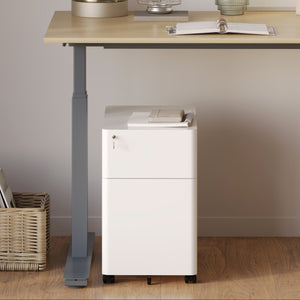
Adequate space under the desk ensures comfortable leg positioning.
Monitor Height and Eye Line Calibration in Tight Quarters
Eye level adjustments reduce neck strain and maintain comfort.
Accessory Placement Strategies That Reduce Strain
Tools, devices, and accessories should be positioned within a natural reach radius. Exploring seashell chair product details provides context for pairing the chair’s proportions with compact workstation accessories.
Lighting, Acoustics, and Visual Flow That Complement Shell Form Seating
Soft lighting and a clean visual field help reinforce comfort and reduce visual fatigue.
Workspace Aesthetics and Emotional Comfort in Compact Environments
Small rooms feel more open and balanced when furniture contributes to visual harmony.
Organic Shapes as Visual Softeners in Small Rooms
Curved surfaces reduce the visual density that often makes small rooms feel cramped.
Color and Texture Pairings That Enhance a Seashell Chair’s Presence
Neutral or natural tones help the chair integrate seamlessly into compact workspaces.
How Soft Curves Improve Perception of Space in Dense Layouts
Rounded edges create a sense of flow in constrained areas where sharp furniture edges may feel intrusive.
Future of Compact Workflow Design and the Growing Role of Seashell Seating
As workspaces evolve, seating solutions will continue to reflect changing needs.
Urban Micro Living Trends and Shell Form Furniture Adoption
More individuals rely on small living arrangements where flexible workspace furniture becomes essential.
The Rise of Compact Ergonomic Solutions in Hybrid and Remote Work
Remote and hybrid work encourages multipurpose furniture that integrates easily into everyday environments.
How Shell Chairs Blend Function and Form for Next Generation Work Habits
The seashell chair’s combination of sculpted comfort and thoughtful proportions aligns well with the future of compact and flexible workspaces.
Comparison of Seating Styles for Compact Workflows
| Feature | Seashell Chair | Onyx Chair | Muse Chair | Novo Chair |
|---|---|---|---|---|
| Footprint | Compact, modest | Larger adjustable frame | Medium artistic frame | Flexible ergonomic frame |
| Posture Support | Guided shell form | Multi adjustable | Balanced aesthetic | Flexible task posture |
| Mobility | Moderate | Moderate | Moderate | High |
| Design Intent | Compact comfort | Full ergonomic support | Design focused seating | Movement responsive seating |
| Best Use Case | Small workstations | Adjustable focused work | Style centered work areas | Dynamic task workflows |
Six Workflow Optimizations Enabled by Shell Form Seating
1. Reduced reach radius
2. table forward posture
3. Efficient multi device access
4. Improved task anchoring
5. Reduced micro sway
6. Enhanced spatial harmony for focus
Leave a comment