



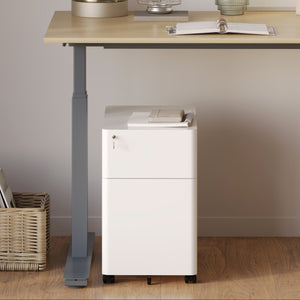






















Filing Cabinet Choices for Cleaner Workstation Planning
Cleaner workstation planning starts with filing storage that matches the desk, document volume, security needs, and daily workflow. Explore how cab...
Learn more
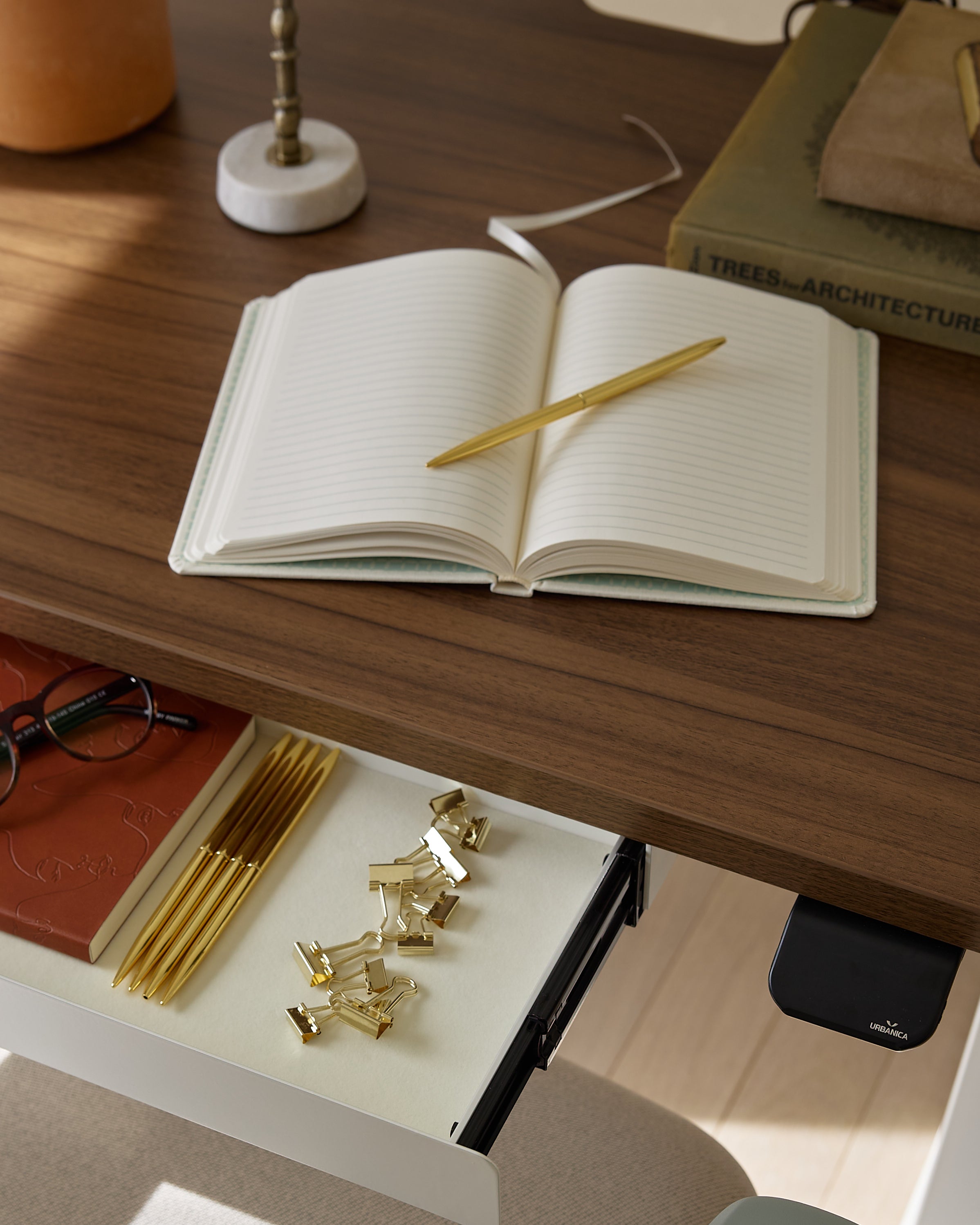
Visit quiz page to see how we makes it easy to create an inspiring workplace


The hybrid work model offers flexibility, but it introduces a unique challenge: the mental and physical friction of switching between two distinct workspaces. One day you are in a structured corporate environment; the next, you are working from a comfortable corner of your home. If your setup isn't designed for seamless transition, you waste time and energy readjusting your body and your workflow.
A truly successful hybrid schedule requires intentionality, consistency, and, crucially, furniture solutions that mirror and support your ergonomic needs in both locations. The goal is to create a "hybrid flow" where you maintain peak productivity and physical comfort, regardless of your location on any given day.
The key to a smooth transition lies in minimizing physical and mental differences between your two spaces. Consistency in core elements—like your keyboard height, monitor distance, and seating support—ensures your body never has to relearn how to work.
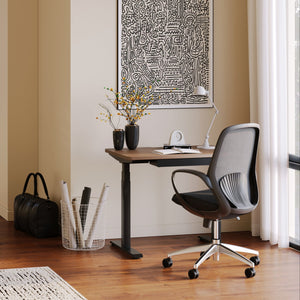
This vital consistency is easily maintained with adjustable equipment, such as a responsive dynamic desk that remembers your perfect height settings, allowing you to replicate that ergonomic sweet spot wherever you are.
Your body requires the same support whether you are at home or the office. The first step is to record your ideal ergonomic measurements in one location and replicate them precisely in the other.
Use a tape measure to record the height of your desk surface, the distance of your monitor from your eyes, and the height of your chair armrests. Aim to achieve this configuration in both workspaces.
Desk Height: Distance from the floor to the keyboard surface (for sitting and standing).
Monitor Distance: Eye-to-screen distance (typically an arm's length).
Armrest Height: Distance from the floor to the top of the armrest (should be level with the desk).
To ensure consistency, pack and transport key personal items that contribute to your comfort and workflow. These are items that are difficult or impossible to standardize across two locations.
Small, personal ergonomic items prevent the need to adapt to generic office supplies. Focus on items that directly affect your contact points with the desk.
Portable Essentials Enumeration:
Mouse and Keyboard: Using the same peripherals prevents wrist and hand strain from adjusting to different shapes.
Webcam and Headset: Ensures consistent meeting quality, reducing technical friction.
Laptop Stand/Riser: Allows you to quickly set your monitor to the correct eye height.

While you may use a large executive table at the office and a compact desk at home, the actual work surface should offer the same core functionality and aesthetic calm.
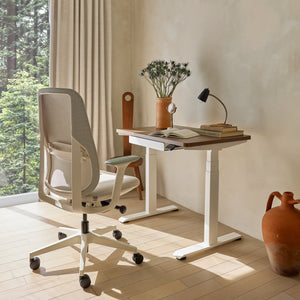
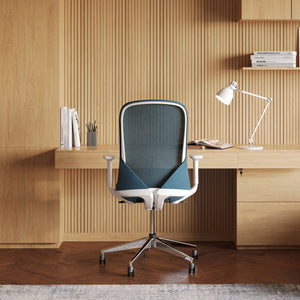
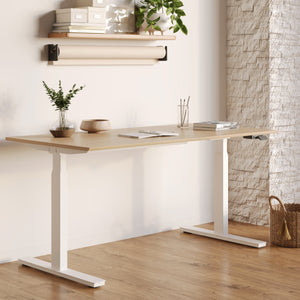
Whether it's a dedicated Office Desk or a multi-functional surface, keep the primary zone clear. Use organizational methods—like discrete trays or minimal desktop accessories—to ensure the look and feel of the two surfaces are similar.
Office: Utilize built-in cable management and large drawers to maintain surface clarity.
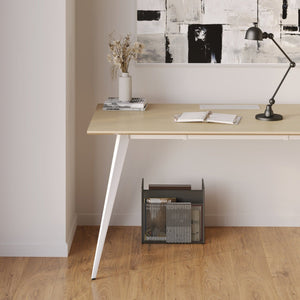
Home: Leverage the aesthetic of a sleek Office Table and hide clutter in a nearby cabinet or simple desk organizer.
Switching locations often means unplugging and re-plugging numerous devices. This technological friction must be minimized to support a smooth workflow.
Invest in a single-cable docking solution for your laptop at both locations (home and office). This allows you to connect your dual monitors, keyboard, mouse, and power with one simple plug, instantly transforming your device into a full desktop workstation.
For those who share a home office, the furniture solution must accommodate two people with entirely different schedules and ergonomic needs, ensuring neither transition causes disruption.
A dedicated piece like a Two Person Desk often provides two distinct, adjustable zones. This allows the primary home user to maintain their precise setup, while the hybrid worker can drop in and adjust their side without disrupting the other.
Your environment provides mental cues that signal whether it is time to focus or relax. The transition between home and office requires intentional habits to trigger your "work brain."
Office: The open, shared environment of a corporate space, perhaps using a Four-Person Workstation, signals collaboration.
Home: Use personal rituals like putting on noise-canceling headphones, opening a dedicated work journal, or turning on your task lamp to signal focus time.
The body benefits most from varied posture. If you use a sit-stand desk at the office, you should strive to replicate that movement at home, even if your home setup is small.
Small spaces require specialized solutions that don't compromise ergonomic benefits.
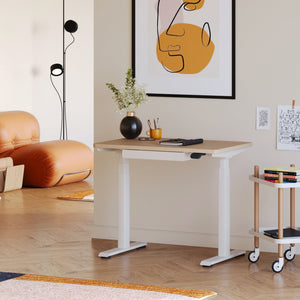
The compact Mini Standing Desk Indiana offers full motorized height adjustment in a minimal frame, ensuring that home workers in limited space can still adhere to the necessary ergonomic guidelines for movement and posture changes.
Beyond the physical setup, a consistent routine helps your mind transition smoothly. Maintain similar work hours, break patterns, and even task sequencing, regardless of location.
Breaks: Take breaks at the same time each day for a walk or stretching.
Task: Start your day with the same task (e.g., checking email or planning) to anchor your work routine.
Lunch: Maintain a consistent lunch hour away from your desk.
Just as important as the start of the workday is the clear transition at the end. Hybrid work often makes it difficult to "switch off."
At the end of your workday, regardless of location:
Pack Up: For the hybrid commute, pack your bag fully.
Shut Down: Turn off the monitor and cover your laptop.
Leave the Zone: Physically move away from your workspace. This signals the end of the workday to your brain.

The hybrid work challenge is ultimately a design challenge. By focusing on consistency in your core ergonomic setup, standardizing your technology access, and maintaining strong mental routines, you eliminate the friction of switching environments. Investing in adaptable, high-quality furniture allows you to create a seamless flow, ensuring that your best work is always possible, whether you are at home or in the office.


You have unlocked free shipping!
You're saving $29 and unlocked free shipping!
Leave a comment