



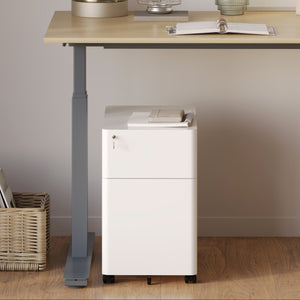






















Filing Cabinet Choices for Cleaner Workstation Planning
Cleaner workstation planning starts with filing storage that matches the desk, document volume, security needs, and daily workflow. Explore how cab...
Learn more
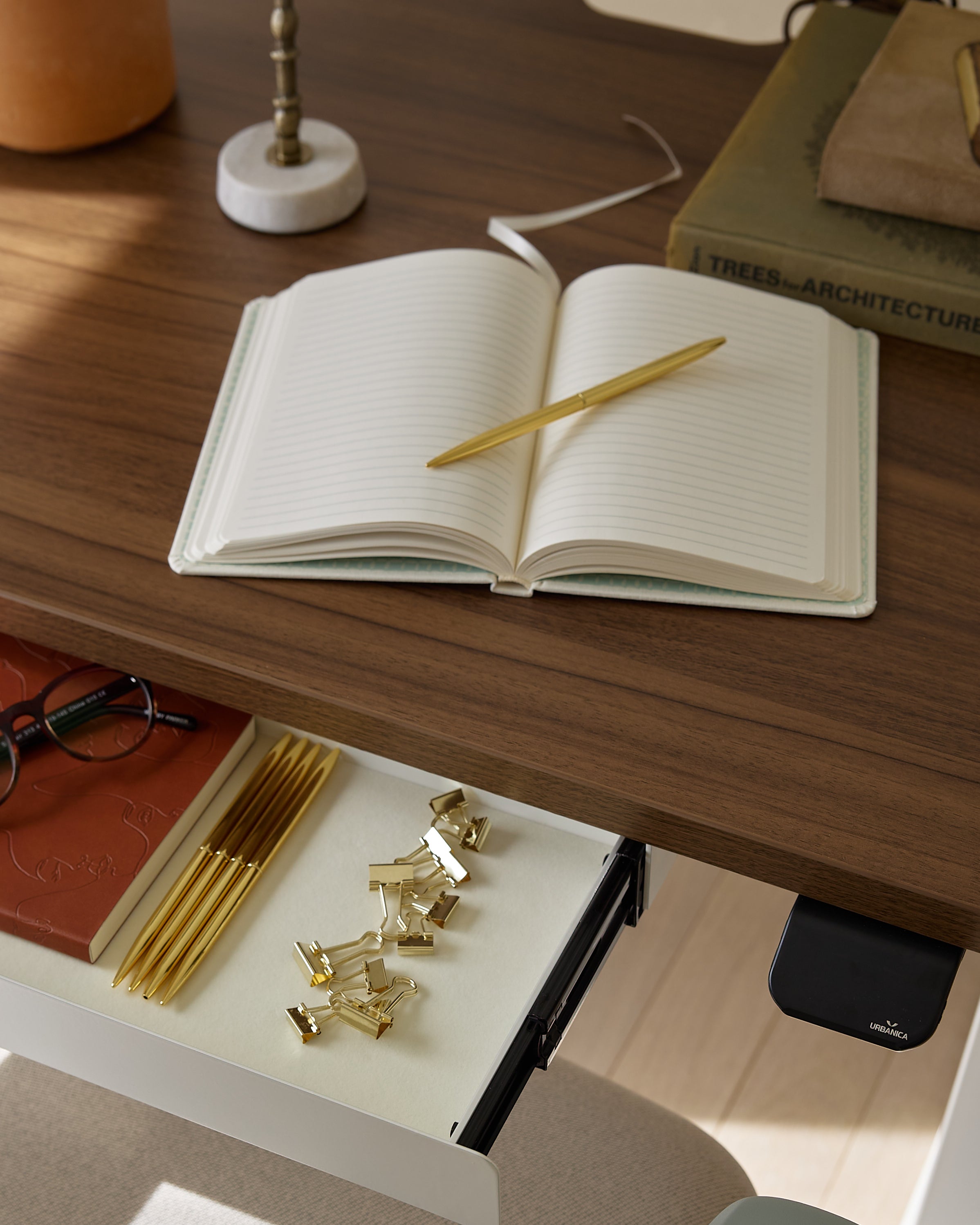
Visit quiz page to see how we makes it easy to create an inspiring workplace


Comfort has long been misunderstood in workspaces. For years, stiff chairs and rigid desks were treated as symbols of discipline, while comfort was quietly associated with distraction or laziness. That mindset no longer holds up. Modern research, workplace trends, and real-world performance data all point to one truth: comfort is not the enemy of productivity. When furniture is designed with intention, comfort becomes a powerful tool that supports focus, energy, and consistency throughout the day.
This article breaks down why comfortable furniture is not lazy furniture, how thoughtful design fuels performance, and how the right setup can transform both home and office environments without sacrificing professionalism.
The idea that comfort leads to complacency comes from outdated work culture. Early office environments valued visible effort over sustainable performance. Hard chairs, fixed desks, and minimal movement were considered signs of seriousness. Comfort was treated as indulgent rather than strategic.
Today’s work reality is very different. Knowledge work demands long hours of concentration, problem-solving, and creativity. These tasks suffer when the body is under constant strain. Physical discomfort quietly drains mental energy, reduces attention span, and increases fatigue.
In regions with evolving work cultures, such as areas searching for Office Desk Los Angeles solutions, the conversation has shifted. Employers and individuals now recognize that comfort does not remove discipline. It supports it.
Cognitive performance is deeply connected to physical conditions. When the body is tense, the brain allocates energy to discomfort rather than focus.
Less muscle tension lowers background stress
Comfortable seating reduces subconscious distraction
Proper support allows longer periods of deep work
Comfortable furniture is not about sinking or lounging. It is about support, alignment, and adaptability. A well-designed workspace keeps the body neutral so the mind can stay sharp.
Furniture that allows micro-adjustments throughout the day helps prevent fatigue and mental burnout without encouraging passivity.
Remaining in one position for hours is more damaging than many realize. The body thrives on movement, even small shifts.
Alternating postures maintains circulation
Standing periodically boosts alertness
Changing positions reduces stiffness and mental fog
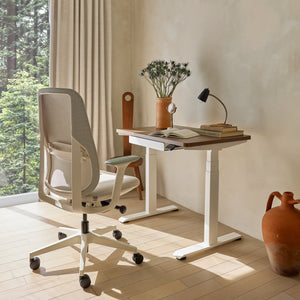
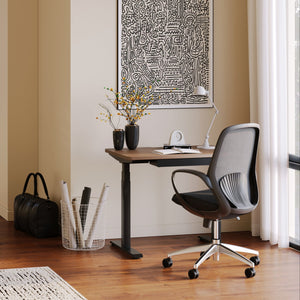
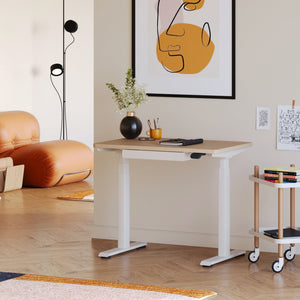
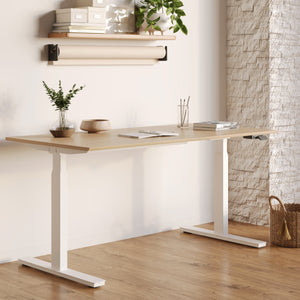
Workspaces that integrate movement naturally encourage better habits. A setup that supports alternating between sitting and standing allows the body to stay engaged without interrupting workflow. This is where height-adjustable work surfaces become valuable, offering flexibility without sacrificing structure or professionalism.
Productivity is not about occasional bursts of effort. It is about consistency over weeks, months, and years. Uncomfortable furniture may feel tolerable at first, but it creates cumulative strain that eventually reduces output.
Comfortable furniture supports:
Sustainable daily routines
Lower physical fatigue by day’s end
Better recovery between workdays
Consistency is what separates short-term output from long-term performance. Comfort plays a central role in maintaining that balance.
There is a difference between supportive structure and unnecessary rigidity. Furniture can be firm without being punishing.
Stable surfaces that reduce vibration
Proportions that encourage upright posture
Materials that support without pressure points
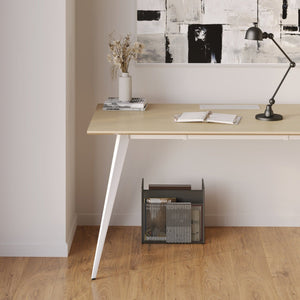
A well-designed workstation anchors the entire workspace. Well-proportioned work desks provide stability and spatial clarity, helping users mentally separate work from rest while still remaining physically comfortable.
Decision fatigue is real. When the body is uncomfortable, small decisions become harder, patience wears thin, and judgment suffers. Comfortable furniture removes unnecessary friction from the workday.
With fewer physical distractions, professionals are able to:
Make clearer decisions
Maintain emotional regulation
Respond thoughtfully instead of reactively
Comfort does not dull performance. It sharpens it.
|
Feature |
Poorly Designed Comfort |
Performance-Oriented Comfort |
|
Posture |
Encourages slouching |
Supports neutral alignment |
|
Energy Levels |
Leads to lethargy |
Sustains focus |
|
Movement |
Restrictive |
Encourages healthy shifts |
|
Productivity |
Short-lived |
Long-term consistency |
|
Mental Clarity |
Decreases |
Improves |
This distinction is critical. Laziness is a behavioral issue. Comfort is a design feature. Confusing the two leads to ineffective work environments.
Ergonomics is often misunderstood as an upgrade rather than a necessity. In reality, it is a foundational element of effective workspace design.
Proper arm positioning reduces shoulder tension
Aligned seating supports spinal health
Adjustability accommodates different body types
Accessories like articulated monitor support systems and posture-supportive seating solutions fine-tune comfort without changing work habits. These elements quietly remove strain while keeping the user engaged and alert.
The connection between workspace design and performance is well documented. Studies consistently show that environments designed for comfort and clarity improve output, satisfaction, and retention.
Research highlighted in workspace productivity design studies reinforces the idea that comfort enhances focus rather than undermines it. When employees feel physically supported, they invest more attention and effort into their work.
Comfort is not a perk. It is a productivity strategy.
Comfort does not mean lowering standards. It means raising them intelligently. Use this checklist to evaluate whether your workspace supports performance or quietly works against it.
Does your seating support posture without forcing stiffness?
Can you change positions throughout the day?
Is your desk stable, proportionate, and aligned with your workflow?
Are screens positioned to reduce neck strain?
Does your setup reduce distractions rather than create them?
When comfort is intentional, it becomes invisible. Work feels smoother, focus lasts longer, and productivity becomes sustainable rather than exhausting.
Comfortable furniture does not blur the line between work and rest when it is designed with intention. In fact, it often sharpens that boundary. A structured workspace sends subtle signals to the brain about what kind of behavior is expected.
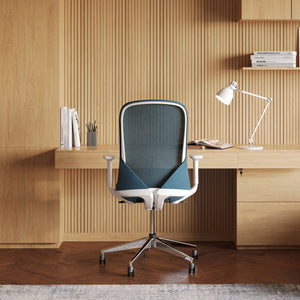
When furniture is purpose-built for work, the body naturally adopts a more task-oriented posture. A supportive chair keeps the spine upright. A properly sized desk creates a clear zone for tools, screens, and movement. Together, these elements tell your brain that this space is for focus, not lounging.
This is why people who invest in quality work furniture often report better discipline, not less. Comfort removes resistance, but structure maintains purpose. The result is a workspace that feels inviting without becoming distracting.
Discomfort is often mistaken for effort. Many people believe that if work feels hard physically, it must be productive. In reality, discomfort quietly erodes performance.
Poor seating and awkward desk setups create constant micro-interruptions. Shifting to relieve pressure, stretching to reduce stiffness, and mentally noting aches all pull attention away from the task at hand. These interruptions add up, even if they are barely noticeable in the moment.
Comfortable furniture eliminates these unnecessary drains on attention. When the body feels supported, the mind can stay on the work instead of managing discomfort. Over time, this leads to better output, fewer errors, and a more sustainable work rhythm.
Discomfort does not build discipline. It builds fatigue. Comfort, when designed correctly, builds capacity.


You have unlocked free shipping!
You're saving $29 and unlocked free shipping!
Leave a comment