



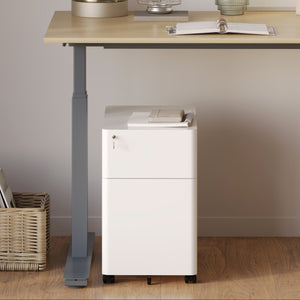






















Filing Cabinet Choices for Cleaner Workstation Planning
Cleaner workstation planning starts with filing storage that matches the desk, document volume, security needs, and daily workflow. Explore how cab...
Learn more
Visit quiz page to see how we makes it easy to create an inspiring workplace


Furniture is more than a purchase. It is an investment in your comfort, productivity, and daily routine. Whether it sits in your office or your home workspace, every piece plays a role in how you live and work. Proper care is what keeps that investment valuable over time. Without it, even the highest-quality furniture can lose its function and appeal much sooner than expected. Taking the time to maintain your furniture ensures that it continues to support you while preserving its long-term worth.
When people think about protecting investments, they often focus on finances or property. Furniture is rarely part of that conversation, yet it should be. High-quality furniture is designed to last, but its lifespan depends heavily on how it is treated.
For example, a well-crafted Office Desk Los Angeles can maintain its structure and appearance for years when properly maintained. However, neglecting simple care routines such as cleaning or proper use can lead to early wear and unnecessary replacement costs.
Furniture care is not just about maintenance. It is about preserving value. When you care for your furniture, you reduce long-term expenses and ensure that your space continues to function efficiently.
Daily habits have a direct impact on how long your furniture lasts. Consistent care prevents damage before it starts.
Wipe surfaces regularly to prevent buildup of dust and dirt
Avoid placing heavy or uneven loads on desks and tables
Use protective pads to prevent scratches and dents
Routine maintenance helps preserve both the appearance and structure of your furniture. It ensures that small issues do not turn into costly problems.
Taking a few minutes each day to care for your furniture can significantly extend its lifespan.
Proper care begins with choosing the right furniture. High-quality pieces are built to withstand daily use and respond better to maintenance.
Strong materials that resist wear and tear
Solid construction that supports long-term use
Functional designs that adapt to your needs
Resources like this guide on quality furniture buying tips highlight the importance of choosing well-made pieces. Starting with quality furniture makes maintenance more effective and worthwhile.
A strong foundation ensures that your investment stands the test of time.
Your furniture does not exist in isolation. It is part of a larger setup that influences how it is used. A poorly arranged workspace can put unnecessary stress on your furniture, while a well-organized one supports its durability.
For example, aligning your desk and chair correctly reduces strain on both pieces. Proper spacing allows for natural movement, preventing accidental damage.
A thoughtful setup protects your furniture by promoting proper use and reducing wear.
Furniture works best when paired with complementary pieces that support its function.
A flexible standing desk allows movement and reduces pressure on one position
A durable office desk provides a stable foundation for daily tasks
Accessories that enhance usability without overloading surfaces
Using the right furniture together helps distribute weight evenly and reduces strain. This prevents premature damage and keeps each piece functioning properly.
A balanced setup ensures that your furniture supports your routine without being overworked.
Cleaning is one of the most effective ways to protect your furniture. However, it must be done correctly to avoid causing damage.
Different materials require different approaches. Wood surfaces need gentle cleaning to maintain their finish. Metal components benefit from regular wiping to prevent buildup. Upholstered pieces require careful treatment to avoid staining.
Using the right cleaning methods ensures that your furniture maintains its appearance and durability over time.
|
Care Task |
Frequency |
Purpose |
|
Surface cleaning |
Weekly |
Maintain appearance |
|
Deep cleaning |
Every 3–6 months |
Preserve material quality |
|
Checking stability |
Monthly |
Prevent structural issues |
|
Adjusting components |
Monthly |
Ensure proper function |
|
Inspecting for damage |
Quarterly |
Address issues early |
This simple routine helps protect your investment and extend the life of your furniture.
Ergonomics is not just about comfort. It also plays a role in protecting your furniture.
A supportive ergonomic chair reduces pressure on desks and surfaces
An adjustable monitor arm improves screen positioning and reduces strain
Proper alignment helps maintain both furniture and user comfort
When your body is properly supported, your furniture experiences less stress. This reduces wear and keeps everything functioning smoothly.
Ergonomic solutions benefit both your health and your furniture’s longevity.
Even with the best care, furniture will eventually show signs of aging. Knowing when to repair or replace a piece is part of protecting your investment.
Signs such as weakened structure, persistent discomfort, or visible damage indicate that it may be time for an upgrade. Addressing these issues early prevents further problems and ensures that your workspace remains safe and effective.
Understanding the limits of your furniture helps you make informed decisions about maintenance and replacement.
Furniture does not just wear down from use. The environment it sits in plays a major role in how long it lasts. Temperature, humidity, and exposure to light can all impact the condition of your furniture over time.
Direct sunlight can cause fading and weaken materials
High humidity may lead to warping or mold, especially on wood surfaces
Dry air can cause cracking or shrinkage in certain finishes
Dust buildup can settle into joints and moving parts
Keeping your workspace well-ventilated and away from extreme conditions helps maintain furniture quality. Using curtains or blinds can reduce sun exposure, while maintaining balanced humidity levels prevents structural damage.
Being mindful of your environment adds another layer of protection to your furniture investment. It ensures that your pieces remain functional and visually appealing for years.
Caring for your furniture is about more than maintenance. It is about preserving the value, comfort, and functionality that support your daily life.
Clean surfaces regularly using appropriate methods
Choose high-quality furniture from the start
Pair furniture with supportive pieces
Maintain a balanced and organized workspace
Use ergonomic accessories to reduce strain
Address minor issues before they become major problems
When you take care of your furniture, it continues to serve you well for years. A well-maintained space is not only more functional but also more enjoyable to use every day.


You have unlocked free shipping!
You're saving $29 and unlocked free shipping!
Leave a comment