



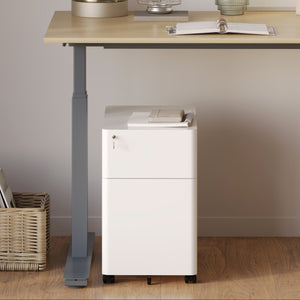






















Filing Cabinet Choices for Cleaner Workstation Planning
Cleaner workstation planning starts with filing storage that matches the desk, document volume, security needs, and daily workflow. Explore how cab...
Learn more
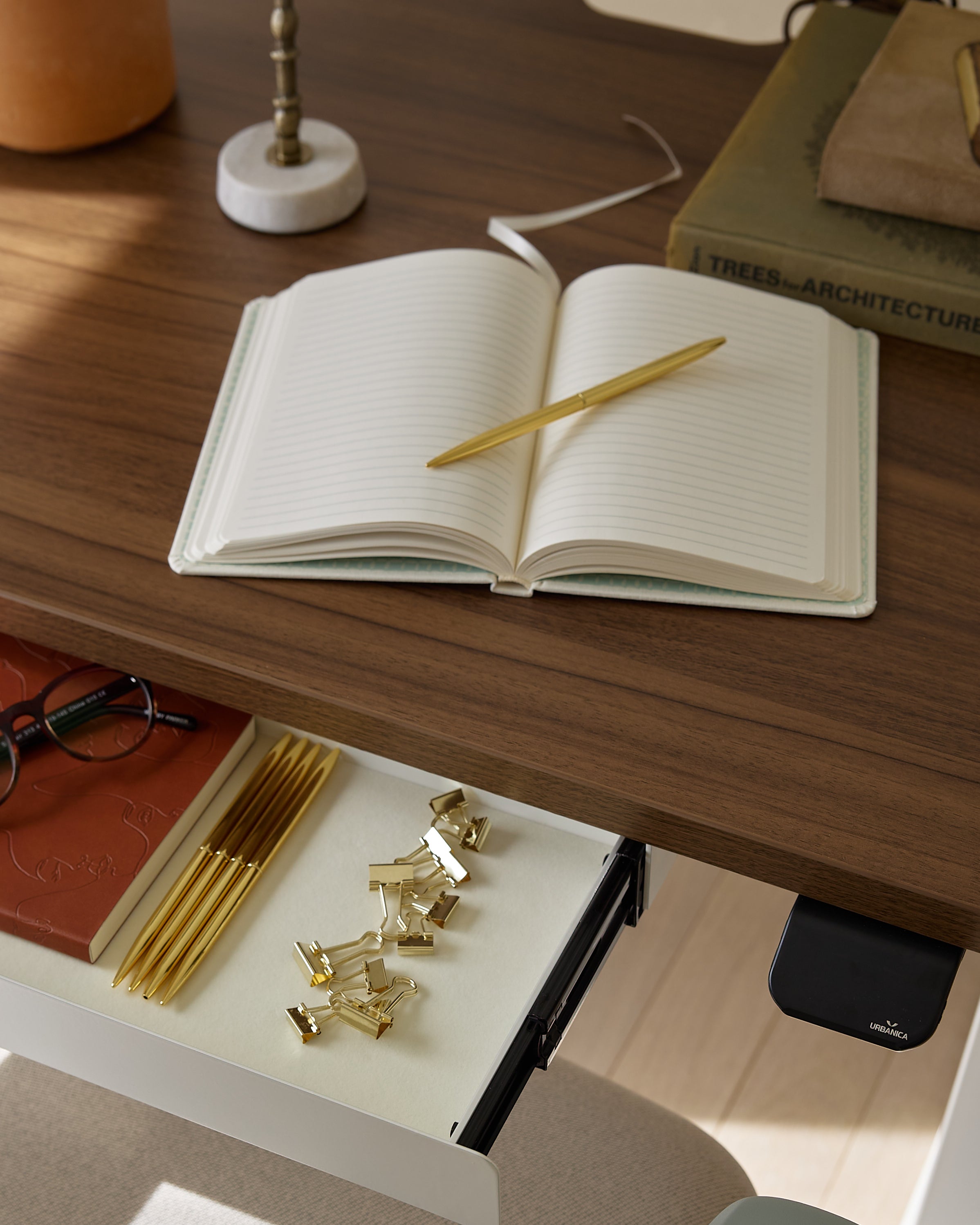
Visit quiz page to see how we makes it easy to create an inspiring workplace


Office furniture is used daily, often for long hours. Over time, even high-quality pieces can show signs of wear if not properly maintained. Scratches, loose parts, fading surfaces, and reduced comfort are common issues that affect both functionality and appearance.
Taking proactive steps can significantly extend the life of your furniture. Whether you are using a compact Mini Standing Desk California setup or a full office workstation, proper care and usage habits help maintain performance and reliability.
Before you can prevent damage, it is important to understand what causes it. Most wear and tear happens gradually due to daily use and small habits that go unnoticed.
Common causes include:
Repetitive movement and pressure
Poor posture and uneven weight distribution
Improper cleaning methods
Exposure to moisture or heat
Clutter and improper organization
These factors slowly affect the structure and appearance of your furniture. Identifying these causes helps you take the right steps to prevent long-term damage.
Desk surfaces are one of the most used areas in any workspace. A well-designed office desk can last for years, but only if it is properly maintained.
Scratches from sharp objects
Stains from spills
Fading due to sunlight exposure
Use desk mats or protective pads
Avoid placing hot or wet items directly on surfaces
Clean spills immediately
Keep sharp objects away from direct contact
These habits help maintain the appearance and durability of your desk.
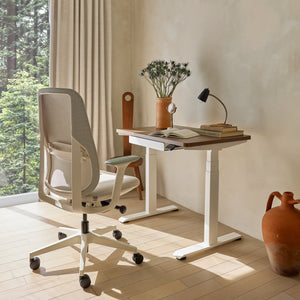
Adjustable desks, such as a standing desk, rely on moving parts that require proper care to function correctly.
Dust buildup in moving components
Uneven movement
Reduced stability over time
Keep mechanisms clean and dust-free
Avoid overloading the desk
Adjust height smoothly without force
Check components regularly
Regular maintenance ensures that your desk continues to operate efficiently.
Chairs are one of the most heavily used pieces of office furniture. Constant sitting, shifting, and movement can lead to wear over time.
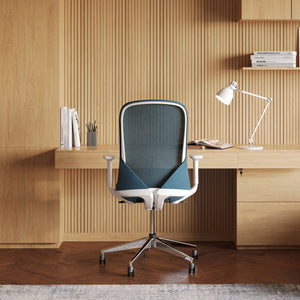
A supportive ergonomic office chair helps reduce strain on both the furniture and your body.
To maintain your chair:
Avoid placing excessive weight on one side
Clean upholstery regularly
Adjust settings properly for your posture
Proper use helps extend the lifespan of your chair and maintain comfort.
Accessories can help reduce wear on your furniture by improving how you use your workspace. An ergonomic arm helps distribute weight and reduce pressure on your desk.
Reduce strain on desk surfaces
Improve alignment and posture
Minimize repetitive stress on furniture
Monitor arms to reduce desk pressure
Cable organizers to prevent clutter
Desk pads for surface protection
These additions help maintain both functionality and appearance.
Preventing wear and tear starts with choosing the right furniture. High-quality materials and thoughtful design make a significant difference in durability.
Resources like this furniture durability guide highlight the importance of selecting furniture that balances strength and usability.
When choosing furniture, consider:
Material quality
Structural stability
Ease of maintenance
Investing in durable furniture reduces long-term maintenance needs.
|
Cause of Wear |
Effect on Furniture |
Prevention Method |
Result |
|
Surface scratches |
Visible damage |
Use desk mats |
Cleaner appearance |
|
Dust buildup |
Reduced functionality |
Regular cleaning |
Smooth operation |
|
Improper use |
Structural stress |
Correct usage habits |
Longer lifespan |
|
Moisture exposure |
Warping or damage |
Immediate cleaning |
Material protection |
|
Overloading |
Reduced stability |
Balanced weight distribution |
Better durability |
Daily habits play a major role in preventing wear and tear. Consistency is key to maintaining your furniture over time.
Clean surfaces regularly
Adjust furniture properly before use
Keep your workspace organized
Avoid unnecessary pressure on surfaces
Set a weekly cleaning schedule
Check for early signs of wear
Address minor issues immediately
These habits help prevent small problems from becoming major issues.
Taking care of your office furniture provides long-term advantages that go beyond appearance.
Benefits include:
Extended furniture lifespan
Reduced replacement costs
Improved workspace comfort
Better overall productivity
Proper care ensures that your furniture continues to support your work effectively.
Preventing wear and tear is about building habits that protect your investment. The right combination of proper use, maintenance, and smart choices ensures your furniture remains reliable and functional.
Use protective accessories like desk mats
Clean furniture regularly
Avoid overloading surfaces
Maintain adjustable components
Choose durable materials
Address minor issues early
Build consistent care habits
When you take care of your furniture, it takes care of your workspace. A well-maintained setup supports productivity, comfort, and long-term performance.


You have unlocked free shipping!
You're saving $29 and unlocked free shipping!
Leave a comment