



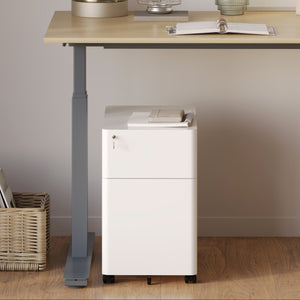






















Filing Cabinet Choices for Cleaner Workstation Planning
Cleaner workstation planning starts with filing storage that matches the desk, document volume, security needs, and daily workflow. Explore how cab...
Learn more
Visit quiz page to see how we makes it easy to create an inspiring workplace


Furniture is more than decoration. It is the foundation of your home’s comfort, the backdrop of your daily routines, and a long-term investment that deserves consistent care. When well maintained, furniture lasts longer, performs better, and ages with character instead of damage. Proper care reduces wear, prevents early replacements, and keeps pieces from ending up in landfills. Caring for your furniture is not complicated. It simply requires awareness, small habits, and thoughtful upkeep. This guide explores reliable ways to maintain your pieces, preserve their quality, and ensure they remain beautiful for years.
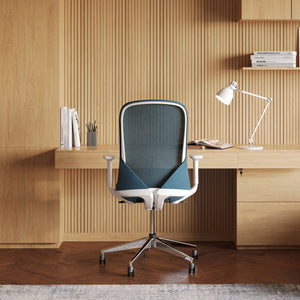
Your seating pieces set the tone for overall care. A supportive foundation helps protect posture and reduces unnecessary pressure on joints and cushions. Choosing a stable, well-designed chair like a California Ergonomic Chair builds a strong base that naturally lasts longer and requires less maintenance.
Proper posture prevents uneven cushion wear
Strong frames resist wobbling and early breakdown
Quality materials age more gracefully
Stable seating reduces pressure on flooring
Supportive structure maintains long-term comfort
Rotate cushions periodically so wear distributes evenly. Avoid sitting in the exact same spot every day to prolong cushion life.
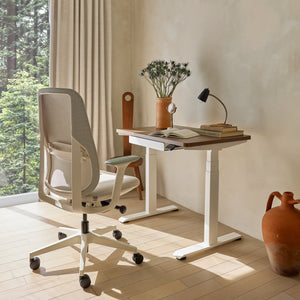
If your home includes a height-flexible piece like a standing desk, maintaining its mechanics keeps it running smoothly. Height-adjustable furniture requires care because its internal components handle more movement than traditional furniture.
Wipe mechanical parts to reduce dust buildup
Keep the tabletop dry to avoid warping
Avoid dragging heavy objects across the surface
Adjust height smoothly without forcing movement
Keep wires organized to prevent tension on edges
Apply a small amount of lubricant designed for desk mechanisms if the movement feels stiff. Keeping parts clean ensures the desk moves smoothly long term.
A well-positioned office desk often becomes the busiest surface in your home. Protecting it from scratches, heat, moisture, and clutter helps retain its original finish.
Use coasters for drinks
Add desk mats under keyboards
Avoid placing sharp metal items directly on the surface
Keep liquids away from seams
Lift items instead of sliding them across the desk
Store small objects in trays instead of leaving them loose. This reduces visual clutter and prevents small scratches from movement.
Furniture care is not only about cleaning. Understanding posture principles helps keep furniture performing well. A short ergonomic study reveals how alignment and usage habits influence the long-term performance of chairs, desks, and cushions.
Proper posture reduces fabric stretching
Height alignment prevents frame strain
Balanced seating reduces cushion sinking
Correct monitor height prevents edge stress
Even weight distribution keeps legs stable
Position screens so you do not lean heavily in one direction. Avoid dropping body weight abruptly onto seating, which strains the frame.
Your arms influence how weight distributes on your seating. Using an Ergonomic Arm supports upper-body posture and reduces uneven cushion compression.
Protects side panels from long-term pressure
Maintains cushion structure
Reduces shoulder strain that can alter posture
Helps distribute weight evenly
Prevents unnecessary fabric stretching
Use arm covers or slipcovers if you tend to lean on one side. This prevents friction-related wear.

A supportive office chair contributes to long-term furniture care by reducing pressure on other pieces. Quality chairs distribute weight evenly and prevent overuse of sofas and softer seating.
Clean wheels regularly to prevent floor damage
Tighten screws periodically
Keep fabric clean to prevent premature wear
Avoid leaning back excessively
Rotate your sitting angles throughout the day
Use your office chair for work tasks instead of your sofa. This prevents sagging and premature cushion breakdown in living room seating.
|
Issue |
Possible Cause |
Maintenance Step |
|
Wobbling legs |
Loose joints |
Tighten screws and fittings |
|
Sinking cushions |
Uneven weight |
Rotate cushions regularly |
|
Scratched surfaces |
Friction or clutter |
Use mats and coasters |
|
Fabric pilling |
Constant rubbing |
Use a fabric shaver |
|
Sticky drawers |
Dust buildup |
Clean and lubricate tracks |
Wooden pieces require consistent attention to maintain their natural finish. Wood absorbs moisture, reacts to temperature, and needs occasional conditioning.
Dust regularly with a soft cloth
Condition wood to prevent drying
Keep furniture out of direct sunlight
Use pads under decorative items
Clean spills immediately
Avoid placing hot dishes or mugs directly on surfaces. Heat can leave permanent marks that require refinishing.
Upholstery shows age faster than other materials, especially in high-use areas. Keeping fabric clean and supported slows down wear.
Vacuum cushions to remove dust
Spot clean spills immediately
Rotate cushions to distribute wear
Use protective sprays designed for upholstery
Avoid harsh cleaners that weaken fibers
Keep pets off high-end upholstered furniture, or use protective covers during daily use.
Lift items instead of dragging them
Rotate cushions weekly
Tighten screws and hardware monthly
Use coasters under drinks
Avoid prolonged exposure to sunlight
Clean spills immediately
Keep furniture away from heat sources
Use protective mats under electronics
Avoid abrupt pressure on seating frames
Maintain balanced use of each piece
Where furniture sits influences how long it lasts. Heat, sunlight, humidity, and foot traffic all affect long-term durability.
Keep wooden pieces away from windows
Avoid placing seating directly under air vents
Use rugs to protect floors under heavy furniture
Avoid tight corners that restrict movement
Keep furniture balanced on even surfaces
Maintain consistent humidity in your home to protect wood and fabric pieces from cracking or swelling.
Different materials require different maintenance routines. Understanding fabric, metal, wood, and leather care ensures each piece ages gracefully.
Wood needs conditioning oils
Metal needs rust prevention
Fabric needs vacuuming and spot cleaning
Leather needs conditioning
Cushion foam needs regular rotation
Look for changes in texture, firmness, and color. Small corrections early prevent bigger repairs later.
Minor repairs help extend your furniture’s lifespan. Loose screws, unbalanced legs, and minor scratches are easy to fix and prevent further damage.
Slight wobbles
Loose joints
Small surface marks
Sticky drawer tracks
Cushion dents
Use felt pads under legs to reduce stress on frames and prevent floor damage.

Furniture becomes part of your life story. It supports your daily activities, holds your memories, and shapes the atmosphere of your home. When you care for each piece—whether through thoughtful cleaning, smart placement, or consistent maintenance—you extend its life and keep it out of landfills. Good furniture becomes more than functional. It becomes a companion that supports comfort, style, and stability for years. With the right habits, you create a home filled with pieces that age gracefully and remain part of your space for the long run.


You have unlocked free shipping!
You're saving $29 and unlocked free shipping!
Leave a comment