



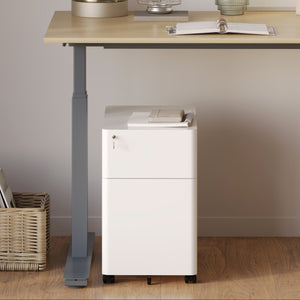





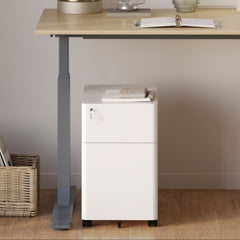


Filing Cabinet Choices for Cleaner Workstation Planning
Cleaner workstation planning starts with filing storage that matches the desk, document volume, security needs, and daily workflow. Explore how cab...
Learn more
Visit quiz page to see how we makes it easy to create an inspiring workplace


Posture affects everything from your comfort to your long-term health. Many people sit for hours each day without realizing how their sitting habits affect the spine. When your spine is supported properly, your body works with less strain and more stability. Good posture reduces fatigue, prevents long-term discomfort, and makes your workday easier on your body. Creating an environment that supports proper posture begins with the right furniture, thoughtful adjustments, and daily awareness. This guide explores how to build a spine-supportive workspace by understanding what your posture needs and how your furniture can help.
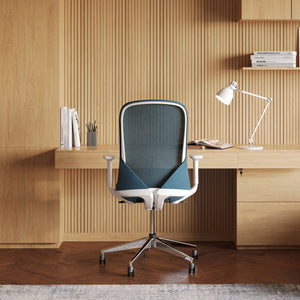
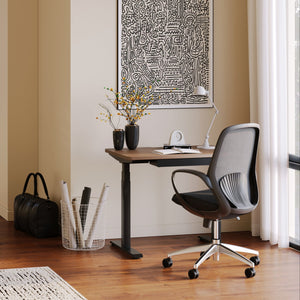
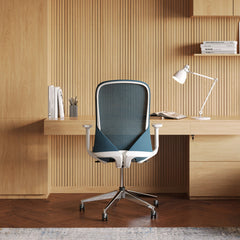
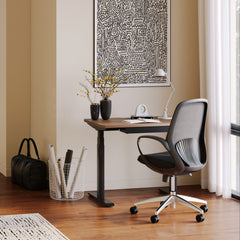
The foundation of good posture begins with reliable seating. A well-designed option like a Los Angeles Office Chair supports the spine’s natural curves and helps maintain alignment throughout long work sessions.
Reduces tension in the lower back
Helps maintain natural spinal curves
Supports even weight distribution
Improves comfort during long hours
Reduces muscle fatigue
Look for chairs with firm cushioning, adjustable height, balanced back support, and a seat that promotes neutral alignment.
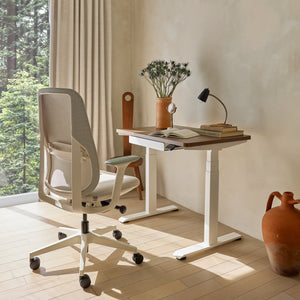
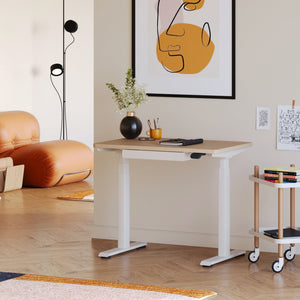
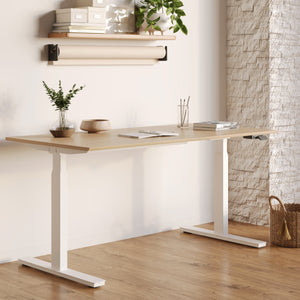
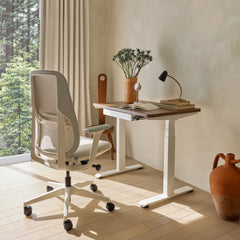
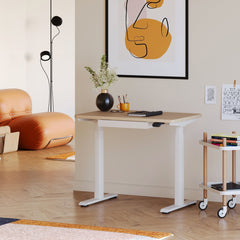
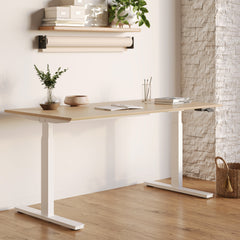
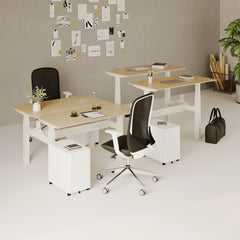
Being able to adjust your working height keeps your spine in a healthier position. An adjustable surface such as a standing desk helps reduce strain caused by sitting in the same position for too long.
Encourages posture changes
Reduces pressure on hips and lower back
Helps keep shoulders relaxed
Allows natural movement
Supports balance and stability
Your elbows should sit comfortably at a ninety-degree angle when your desk surface is at the correct height.
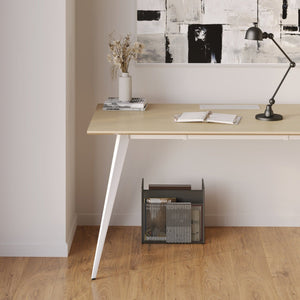
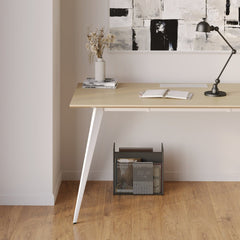
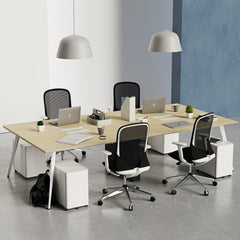
Desk stability helps maintain controlled movement and prevents posture collapse. A sturdy, dependable work surface like an office desk creates a solid anchor for your workspace.
Prevents wrist strain
Supports smooth arm movement
Keeps devices at the right height
Helps maintain ergonomic viewing angles
Reduces shoulder tension
Center your chair directly in front of the desk to avoid leaning or twisting.
A helpful ergonomic study shows that proper desk positioning and supportive seating reduce musculoskeletal stress and help the spine maintain its natural shape.
Seating height affects spinal alignment
Screen placement determines neck comfort
Lumbar support reduces lower back fatigue
Arm positions influence shoulder tension
Movement throughout the day prevents stiffness
Follow ergonomic guidelines while adjusting your workspace to match your body’s natural posture.
Small ergonomic accessories make posture easier to maintain throughout the day. A comfort-enhancing tool like an Ergonomic Arm helps support the upper body.
Support arm positioning
Reduce shoulder strain
Improve typing comfort
Prevent wrist stress
Add structure to soft seating
Place accessories where your arms naturally rest to help maintain balance.
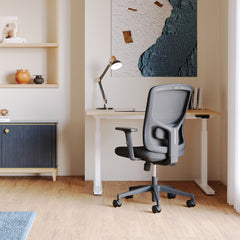
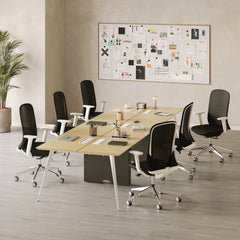
Seating is a key factor in keeping the spine aligned. A reliable office chair encourages healthier posture and helps maintain a comfortable position during long hours.
Adjustable seat height
Firm but cushioned back support
Balanced seat depth
Supportive armrests
Stable base for gentle movement
Avoid seats that are too deep or too soft, as they encourage slouching.

Chair adjustments play a major role in helping maintain a natural sitting posture.
Set the chair height to keep your hips level
Keep your feet planted firmly
Adjust lumbar support to fit your spine
Keep your shoulders relaxed
Avoid leaning forward excessively
A well-organized desk helps keep your spine in a stable, neutral position.
Keep frequently used items within reach
Position your monitor at eye level
Maintain a clear surface
Use the front edge minimally
Avoid clutter that disrupts posture
Improper screen height leads to neck strain and curved posture.
Keep the monitor at eye level
Position at arm’s length distance
Tilt the screen slightly upward
Avoid placing screens too low
Ensure consistent lighting
Seat depth impacts how well your back stays supported and how evenly your weight is distributed.
Your back meets the backrest
You can sit upright comfortably
There is no pressure behind your knees
Your feet remain fully grounded
Your hips remain in neutral alignment
Aim for two to three fingers of space between the seat edge and the back of your knees.
|
Feature |
How It Helps |
Recommended Use |
|
Adjustable height |
Aligns shoulders and elbows |
Desk setup |
|
Lumbar support |
Reduces lower back fatigue |
Seating |
|
Stable surface |
Supports arm and wrist movement |
Work surfaces |
|
Balanced seat depth |
Maintains neutral posture |
Office chair |
|
Proper lighting |
Reduces neck lean |
Desk area |
A workspace that supports your spine integrates smooth movement, good lighting, and structured seating.
Keep pathways clear
Position furniture thoughtfully
Adjust your lighting
Maintain balanced color tones
Support daily movement
Place your chair directly between your screen and desk to avoid twisting.
Supportive seating
Proper screen placement
Balanced seat depth
Stable desk
Adjustable work surfaces
Arm accessories
Healthy lighting
Frequent movement
Neutral hip alignment
Comfortable height settings
Lighting affects posture more than many realize. Poor lighting encourages leaning and hunching.
Use soft warm lighting
Avoid intense overhead lights
Add desk lighting
Adjust lighting to reduce shadows
Use natural light when possible
Ensure your space is bright enough to prevent leaning forward.

Good posture is a daily habit supported by thoughtful furniture choices. When your seating, desk, and accessories work together, your spine stays aligned with less strain. Use adjustable elements, supportive surfaces, and simple ergonomic practices to create a work environment that feels comfortable and sustainable. With the right setup, your furniture becomes an essential partner in maintaining your spinal health.


You have unlocked free shipping!
You're saving $29 and unlocked free shipping!
Leave a comment