



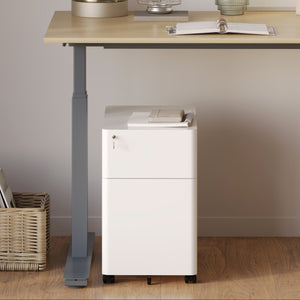






















Filing Cabinet Choices for Cleaner Workstation Planning
Cleaner workstation planning starts with filing storage that matches the desk, document volume, security needs, and daily workflow. Explore how cab...
Learn more
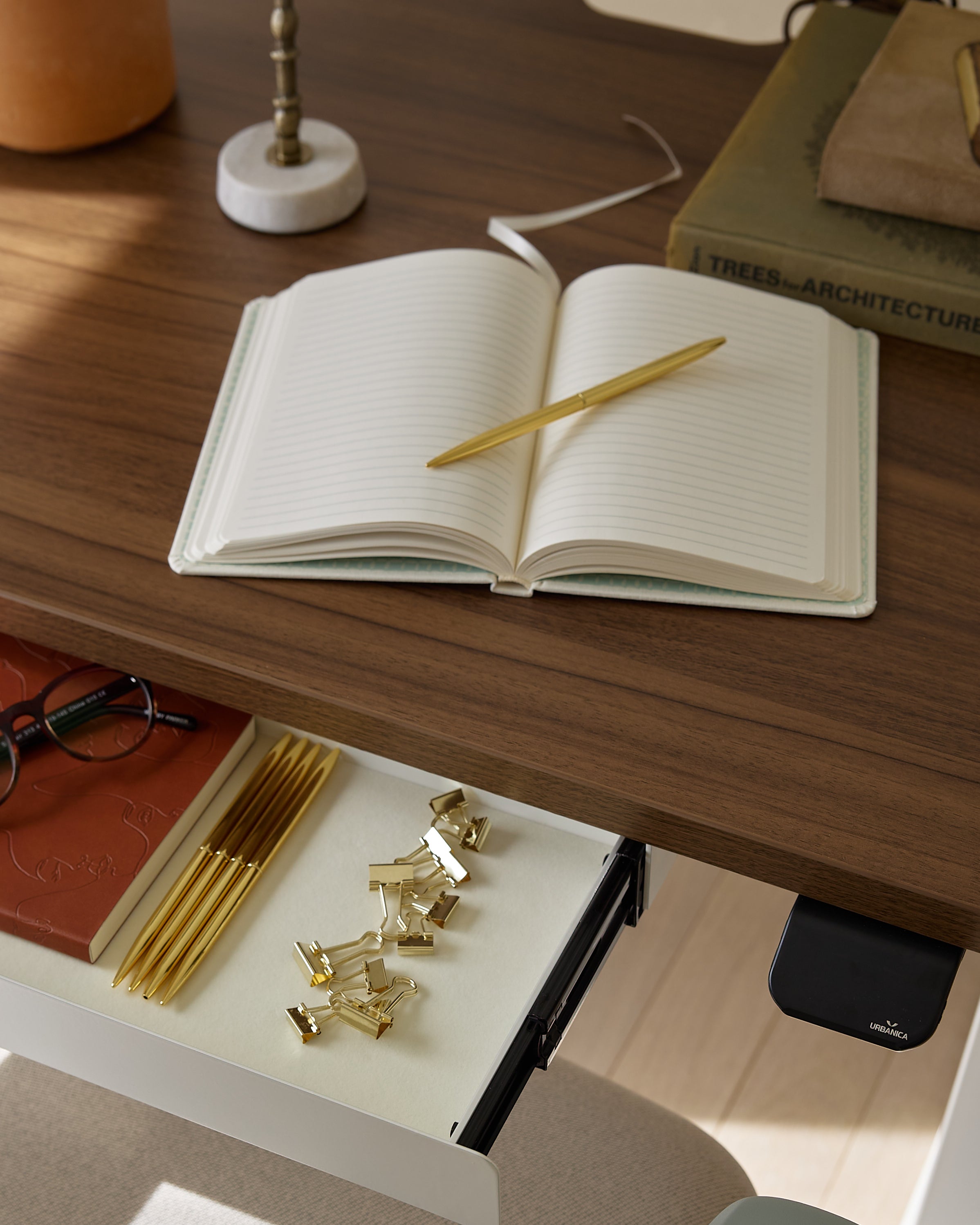
Visit quiz page to see how we makes it easy to create an inspiring workplace


Minimalist workspaces are known for their clean aesthetics and calming atmosphere. But minimalism does not mean empty, cold, or personality-free. When done intentionally, a minimalist workspace can reflect your tastes, support your workflow, and help you feel grounded. Personalization is about choosing meaningful elements, protecting simplicity, and honoring how you work best. This guide shares ways to personalize your minimalist setup without creating clutter or disrupting the peaceful environment you want.
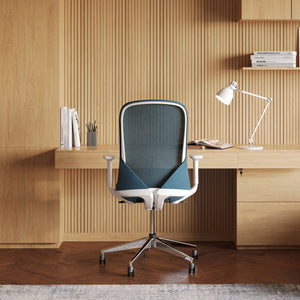
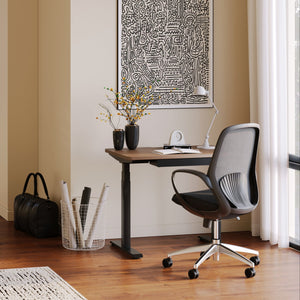
Every personalized workspace starts with a primary piece that shapes the tone of the entire area. A supportive seating choice such as an Ergonomic Office Chair Los Angeles brings comfort, structure, and a sense of presence without overwhelming the simplicity of your setup.
Sets the color direction
Establishes your comfort baseline
Helps define workspace boundaries
Supports posture and focus
Grounds your visual style
Choose a piece that blends naturally with your minimal palette while still reflecting your preferences in texture, tone, or silhouette.
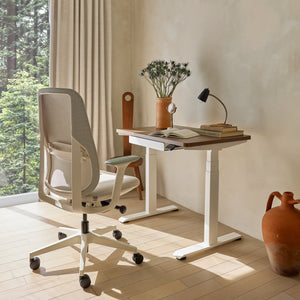
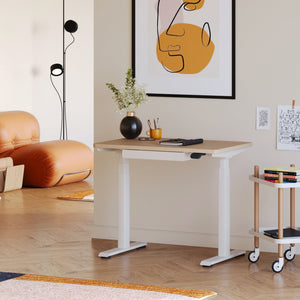
A minimalist setup benefits from subtle layering. Adding a functional height element like a standing desk creates dimension without adding visual clutter. Height variation draws the eye gently through the space.
Prevents visual flatness
Supports multitasking
Provides dynamic posture options
Adds modern character
Enhances light flow across surfaces
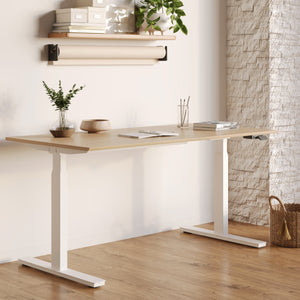
If your workspace allows, keep accessories minimal but intentional. A single plant or vase at a different height can shift the room’s mood beautifully.
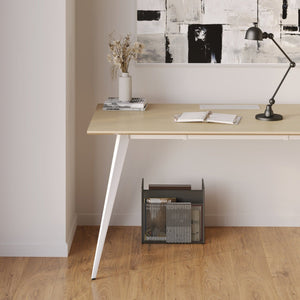
Your workspace’s main surface plays a big role in how minimalism and personality blend. A simple, stable surface like an office desk allows your creative additions to shine.
Choose a clean surface material that reflects your taste
Keep objects intentional, not excessive
Use subtle tones that stay true to minimalism
Focus on usability rather than decoration
Choose accessories you will use daily
Place items symmetrically if you want visual calm, or intentionally off-center if you want something more expressive yet still minimal.
Minimalist spaces feel calming because they limit visual noise. A short minimalism study highlights how simplified environments influence focus, clarity, and emotional comfort.
Clean spaces reduce cognitive load
Fewer visual distractions improve concentration
Limited color palettes create mental ease
Simple lines support relaxation
Intentional arrangement shapes mood
Keep only pieces that serve a purpose or carry emotional value. Avoid filling surfaces with objects meant only for decoration.
Small additions tailor your workspace to your unique needs. A supportive piece like an Ergonomic Arm brings comfort through thoughtful detail rather than excess décor.
Improve workflow comfort
Personalize functionality instead of clutter
Add visual softness without adding bulk
Support healthy posture
Complement minimal style through simple shapes
Match accents with natural tones such as brown, cream, gray, or muted black to maintain simplicity.

Minimalist does not mean boring. A well-chosen seating element like an office chair can express your style without taking over the room.
Use upholstery texture to add personality
Choose matte finishes for a softer look
Favor clean lines to maintain minimalism
Pair with complementary desk tones
Match or contrast subtly with other elements
If your workspace is mostly white or light-toned, choose a chair in a soft muted color to anchor the room gently.
Minimalist spaces thrive on subtlety. Instead of bold colors, you can use gentle contrasts to bring depth without overwhelming the aesthetic.
Light wood paired with soft charcoal tones
White surfaces paired with beige or taupe
Matte finishes beside smooth surfaces
Light-colored seating near a darker desk
Soft textiles paired with structural furniture
Use only one or two contrasting elements. This ensures the space stays minimal while still feeling layered.
|
Method |
Description |
Effect |
|
Soft contrast |
Quiet color differences |
Adds depth |
|
Textural accents |
Fabrics, wood grain, matte finishes |
Creates warmth |
|
Functional accessories |
Practical tools in simple shapes |
Enhances workflow |
|
Intentional lighting |
Soft, neutral-direction lighting |
Improves mood |
|
Personalized seating |
Unique textures or tones |
Adds subtle character |
Texture is a powerful tool in minimalism because it adds dimension without increasing the number of objects on display. A textured item can function as both utility and personality.
Soft, structured fabrics
Smooth wooden surfaces
Subtle woven materials
Clean metal accents
Matte ceramics
Place textured items away from each other to keep them visually distinct. Overlapping textures can create clutter.
Minimalist personalization is not about adding more. It is about adding the right things. Curating with intention helps your space stay useful while still feeling uniquely yours.
A meaningful photo or small frame
A plant for organic warmth
A simple desk mat
A neutral-toned pen holder
A single scented candle
Follow the one-in, one-out principle. When you add something new, consider removing one item to maintain balance.
Choose a meaningful anchor piece
Maintain a clean, open desk surface
Use height variation purposefully
Add natural textures
Include subtle contrast
Choose supportive accessories
Keep color palette soft and cohesive
Remove unnecessary décor pieces
Use lighting to strengthen mood
Balance aesthetics with comfort
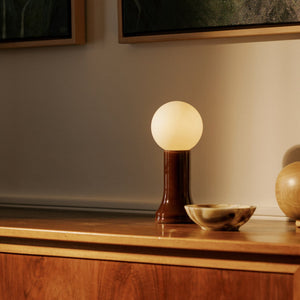
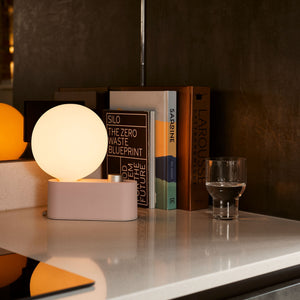
Lighting shapes mood and supports personal style. Soft, diffused lighting strengthens minimalism while giving you creative flexibility.
Warm glow task lamps
Soft white LED strips under shelves
Gentle overhead illumination
Adjustable desk lamps
Natural light reflection through light fabrics
Indirect lighting helps soften edges and creates a calming atmosphere ideal for focused work.

A personalized minimalist workspace is not built from many things. It is built from the right things. When you combine functional comfort, subtle accents, clean textures, and intentional choices, your workspace becomes both calm and deeply expressive. Minimalism simplifies your environment while personalization adds meaning. Together, they create a balanced space where your mind stays clear, your work feels lighter, and your surroundings feel authentically yours.


You have unlocked free shipping!
You're saving $29 and unlocked free shipping!
Leave a comment