



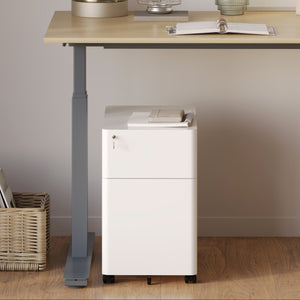
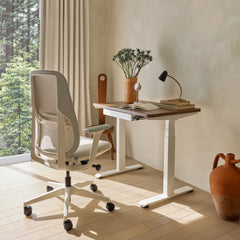
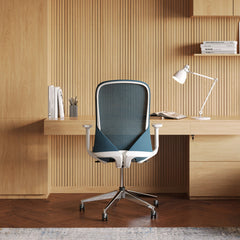

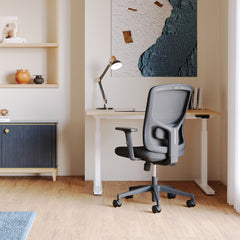






Filing Cabinet Choices for Cleaner Workstation Planning
Cleaner workstation planning starts with filing storage that matches the desk, document volume, security needs, and daily workflow. Explore how cab...
Learn more
Visit quiz page to see how we makes it easy to create an inspiring workplace


Homes now support a wide mix of activities. Work, creative hobbies, and study often occur within the same rooms, sometimes at overlapping times. A single purpose table makes these transitions harder, forcing users to clear surfaces repeatedly or settle for an uncomfortable setup. Multi-use tables solve that problem by combining durability, workspace clarity, and functional adaptability within one consistent footprint. From our brand’s perspective, a table should not simply hold items. It should actively support the flow of a person’s day and help them move between tasks with confidence and ease.
Many households share a common set of needs: dependable surfaces, ergonomic flexibility, and enough storage or organization to prevent clutter from overwhelming the workspace. These needs influence how we evaluate materials, proportions, and structural details when designing or recommending multi-use tables. When customers look to build an environment that fits work, craft, and study, they frequently start by browsing our collection of versatile desk designs to understand the configurations that support modern routines.
Smaller homes rely heavily on layouts that multitask. A dining room becomes a temporary office, a bedroom becomes a study corner, and a craft station might appear wherever there is open space. Multi-use tables lessen the burden of rearranging entire rooms throughout the day. By supporting varied tasks on a single surface, they help homeowners maintain an organized environment even when space is limited.
Flow is easier to maintain when you do not need to pack away tools or move from one table to another. A multi-use surface allows laptops, planners, cutting mats, paints, or reference books to coexist in intentional zones. This reduces downtime between transitions, allowing both creative and analytical work to happen with fewer interruptions.
The table often becomes the anchor of a room’s organization. When it supports defined zones for different tasks, visual clutter decreases and mental clarity improves. A well structured surface helps people feel more in control of their environment, which can boost motivation and focus.
A table built for diverse activities must endure friction, weight, moisture, and movement. Wood and engineered wood bring warmth and natural durability. Laminated finishes increase resistance to scratches and stains, making them ideal for busy households. The goal is not to eliminate signs of use, but to ensure the surface handles wear gracefully and remains easy to care for.
Cutting and crafting: stable surfaces that support cutting mats without slip
Painting and gluing: sealed finishes that simplify cleanup
Writing and mouse use: smooth, consistent texture for accurate pen strokes and cursor control
Underneath any good table is a dependable frame. Steel frames excel at resisting flex and vibration. Wood and engineered fiber frames offer a softer feel, absorbing minor impact and noise. For households that modify their setups over time, bolt-together frames with accessible fasteners simplify adjustments and repairs.
Tables that support long periods of concentration must align with natural posture. This includes ensuring that elbows rest comfortably at table height, monitors sit at an appropriate viewing angle, and wrists remain neutral while typing or drawing. For reliable, safety centered guidance on configuring a healthy home workstation, we recommend reviewing practical ergonomics guidance from a recognized authority.
Multi-use tables often support multiple people throughout the day. Height adjustability, generous knee clearance, and adequate depth ensure that every user can work comfortably. The combination of horizontal space and open legroom also supports transitions between activities without feeling cramped.
1. Allocate at least 60 cm of horizontal room per seated user
2. Provide knee clearance of 60 to 80 cm at the center
3. Choose edge profiles that support comfortable wrist positions
Segmenting the surface helps maintain order. A digital zone might hold a laptop and monitor, a creative zone might host cutting tools or paints, and a study zone might be reserved for books and notes. Visual zoning reduces the cognitive load of switching between tasks.
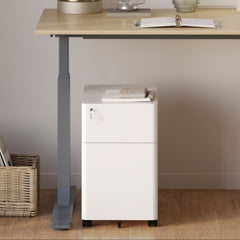
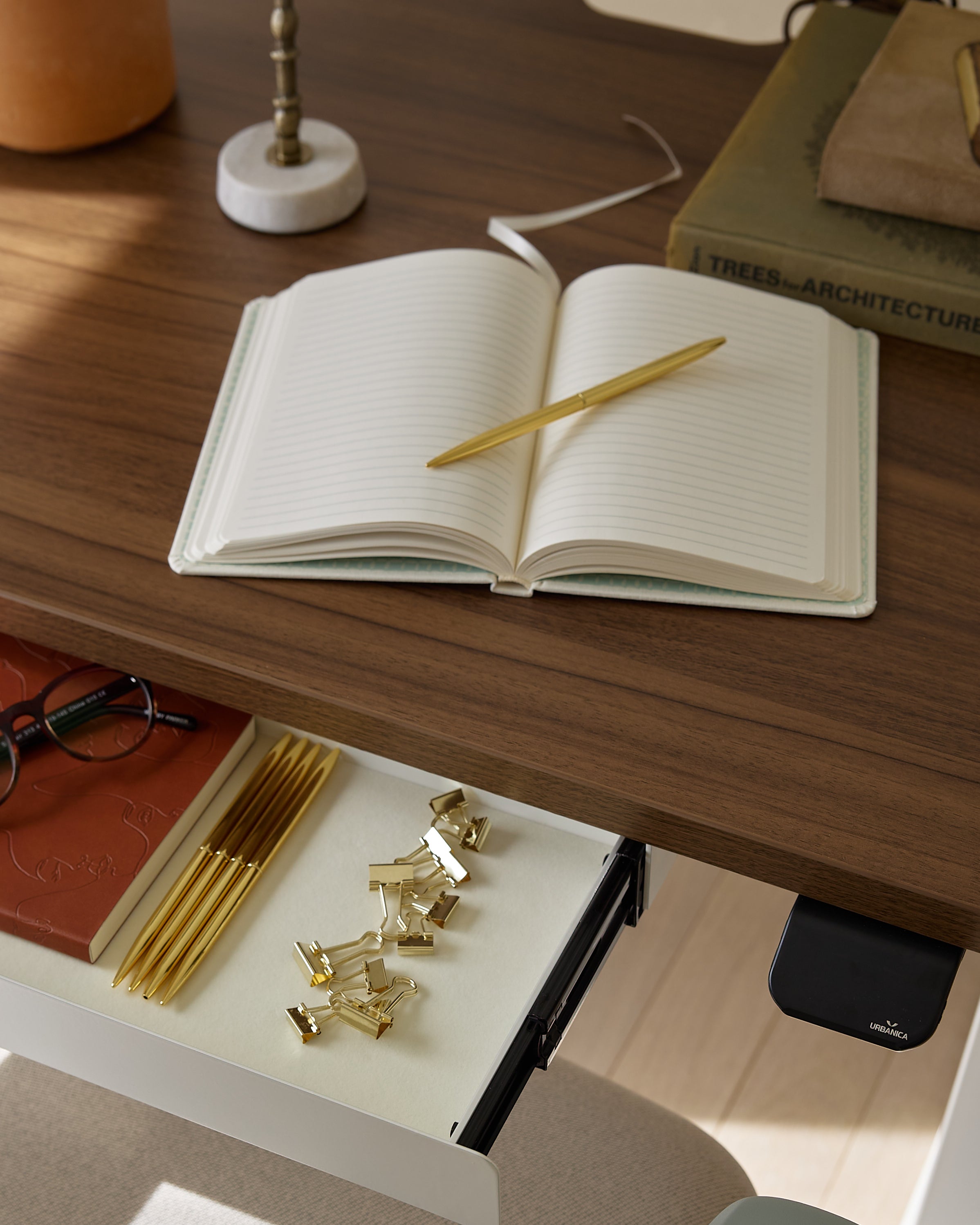
A blended storage strategy works best. Fixed under-table drawers hold heavier items, while lightweight mobile caddies keep frequently used supplies within reach. This approach maintains a clean surface while allowing rapid transitions between work, craft, and study.
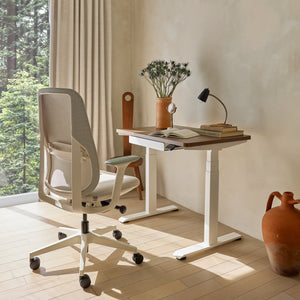
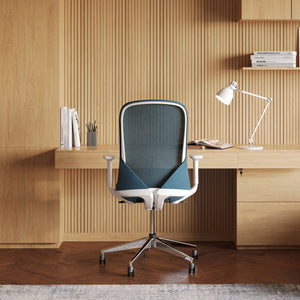
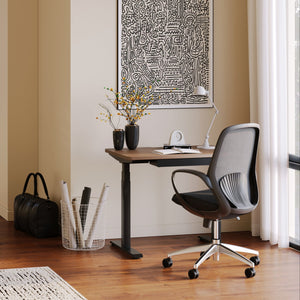
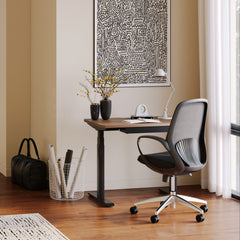
Professional tasks often require space for screens, notes, and peripheral devices. A depth that accommodates comfortable monitor placement while leaving room for writing makes the table more adaptable. For many customers, a streamlined office desk setup offers a clean, stable foundation that supports focused digital workflows.
Multi-device setups benefit from intentional spacing and cable organization. Keeping accessories within reach while maintaining ergonomic spacing supports both efficiency and comfort.
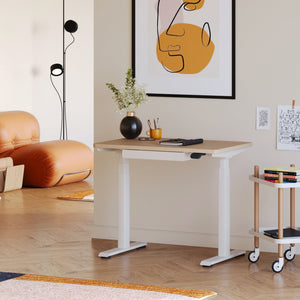
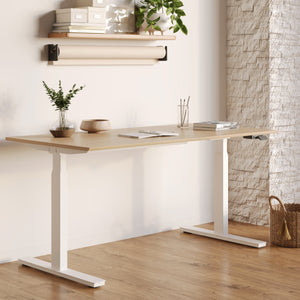
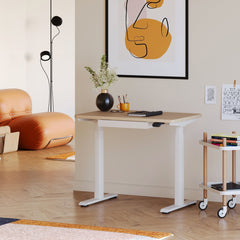
Alternating between sitting and standing can ease tension during long days. Height adjustable tables that move smoothly and lock securely provide flexibility without compromising stability. A reliable adjustable standing desk option offers shared households the ability to alternate postures as needed.
Precision oriented tasks like cutting, sewing, or assembly require a surface that will not wobble under pressure. Frame rigidity and material density are essential. A compact standing table for crafts provides a sturdy footprint for creative projects in limited spaces.
Protective layers, mats, and sacrificial panels allow the table to adapt to different materials. These additions help prevent damage and make cleanup faster when switching from one craft to another.
Keeping tools accessible but contained supports safe and efficient creative work. Vertical storage racks, magnetic strips, and small bins help crafters organize supplies without encroaching on workspace.
Dividing the table into zones for different stages of a project reduces confusion during multi-day builds. A reliable layout helps maintain continuity across creative sessions.
Group study benefits from symmetry, clear sight lines, and predictable personal zones. A four person workstation format supports group coordination while ensuring that each participant has adequate space.
Shared surfaces make it easier to review materials, compare notes, or engage in collaborative assignments. Designing a stable central zone for shared books or devices enhances group alignment.
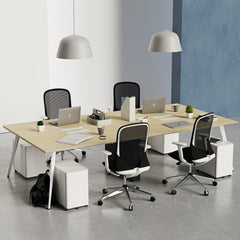
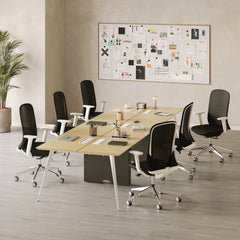
Larger workstations accommodate expanded materials and multiple users. A six seat team workstation offers balanced distribution that helps prevent clutter overlap and ensures reliable personal zones for each participant.
Accommodate whiteboards, shelves, or reference materials nearby to support collaborative problem solving.
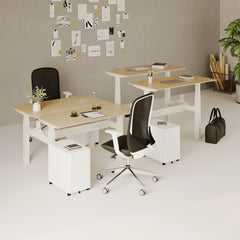
Standing encourages movement and quick thinking, making it ideal for fast paced discussions or paired study sessions. A dual user standing desk configuration supports these dynamic interactions without requiring excessive floor space.
Pair standing tables with portable whiteboards or vertical surfaces for quick sketches or shared notes. Keep supportive tools within reach to maintain clarity and momentum.
| Criterion | Why it matters |
|---|---|
| Surface area | Determines whether laptops, books, and tools can coexist |
| Weight capacity | Ensures safe support for heavier items |
| Height adjustability | Increases comfort for mixed users and long sessions |
| Storage options | Reduces clutter and speeds transitions |
| Mobility | Helps reconfigure multipurpose rooms |
Tables with lockable casters or lightweight frames support reshaping layouts quickly. For large static setups, stability and storage become the higher priority.
A cohesive workspace blends with the room rather than disrupting it. Neutral finishes, clean profiles, and proportional sizing help the table complement existing furniture.
Cleaning surfaces with appropriate products, tightening fasteners, and using protective mats prolongs table performance and appearance.
Select materials that allow refinishing or replacement of individual parts rather than full-unit disposal. This approach increases longevity and reduces environmental impact.
1. Solo remote worker with hobbies: choose adjustable height and mixed storage
2. Family with frequent group study: prioritize multi seat layouts
3. Small apartment: favor compact standing models
4. Craft focused user: choose stable frames and durable surfaces
A multi-use table’s value comes from its reliability and adaptability. Home environments will continue to blend responsibilities, and furniture that supports seamless transitions will remain essential. As households refine their routines, the most effective tables will continue to be those that balance function, comfort, stability, and thoughtful organization.


You have unlocked free shipping!
You're saving $29 and unlocked free shipping!
Leave a comment