























Multi-Mode Tables That Fit Modern Living

Why multi-mode tables are central to contemporary homes
Modern living demands furniture that adapts as quickly as daily routines shift. Homes now support remote work, dining, creative pursuits, study sessions, and social gatherings, often within the same compact footprint. Multi-mode tables step into this environment as essential tools, offering surfaces that change purpose smoothly and reliably while preserving clarity and flow in the home.
In small apartments and flexible floor plans, a table that transitions from work to leisure prevents the visual clutter that comes with multiple single-use pieces. Instead of filling a room with specialized furniture, households can rely on a single adaptive table to meet changing needs throughout the day. This reduces both physical and mental load, helping spaces feel more intentional and calm.
Hybrid work culture further increases the importance of adaptable surfaces. People shift between laptop tasks, calls, meetings, and hands-on projects. A multi-mode table supports these transitions without requiring major rearranging, allowing the home to maintain its identity as a living space rather than a temporary office.
Engineering principles that make adaptable tables dependable
Structural logic for repeatable transformations
Dependability comes from engineering that ensures smooth, consistent transitions. Reinforced frames, balanced weight distribution, and strengthened joints give multi-mode tables the stability needed to support shifting uses without wobble. These structures maintain alignment even when surfaces extend or lift.
Load-bearing strategy for mixed equipment
Multi-mode tables must handle dynamic loads such as monitors, books, and craft tools placed off-center. Thoughtful placement of support points and cross-bracing helps the table remain steady, protecting both the user and the items resting on the surface.
Stability through motion control
Motion mechanisms should allow a table to shift between modes without sudden drops or uneven movement. Locking systems secure the chosen configuration, maintaining a sense of safety and ease during everyday use.
Material selection aligned to real life
Materials influence a table’s long-term usefulness. Surfaces should resist abrasion from writing tools, handle warm dishware, and withstand frequent adjustments. Structural materials like engineered woods and reinforced metals preserve form and function during years of transitions.
Surface performance: scratch resistance and heat tolerance
Scratch-resistant and heat-tolerant finishes help preserve a clean look as the table shifts between tasks. These qualities support longevity and reduce the need for protective covers or frequent refinishing.
Ergonomics as the baseline for healthy use
Multi-mode tables influence posture. Designing height ranges, angles, and surface proportions that align with natural seated and standing positions helps reduce strain and encourage healthier movement patterns. Ergonomic design becomes especially important with adjustable modes that support work, hobbies, and dining.
Users seeking safety guidance around posture and workstation comfort can reference established work-safe ergonomics standards for evidence-based positioning principles.
Motion hardware and serviceability
Lift mechanisms, slide tracks, and hinges must balance strength with maintainability. Choosing components that can be replaced when needed extends the lifespan of the table and reduces waste. Smooth operation is not only a convenience but also a sign of durability and thoughtful engineering.
How multi-mode tables support varied workflows at home
Matching surface modes to specific tasks
Different modes support different work styles. Flat surfaces suit typing, reading, and dining, while angled surfaces help with drawing or reviewing documents. Elevated positions offer improved visibility during short, active tasks. A table that changes modes with minimal effort supports a more fluid rhythm throughout the day.
Scaled collaborative systems for households and small teams
Shared workspaces are increasingly common in modern homes. Configurations designed for multiple users support collaboration without requiring dedicated rooms.
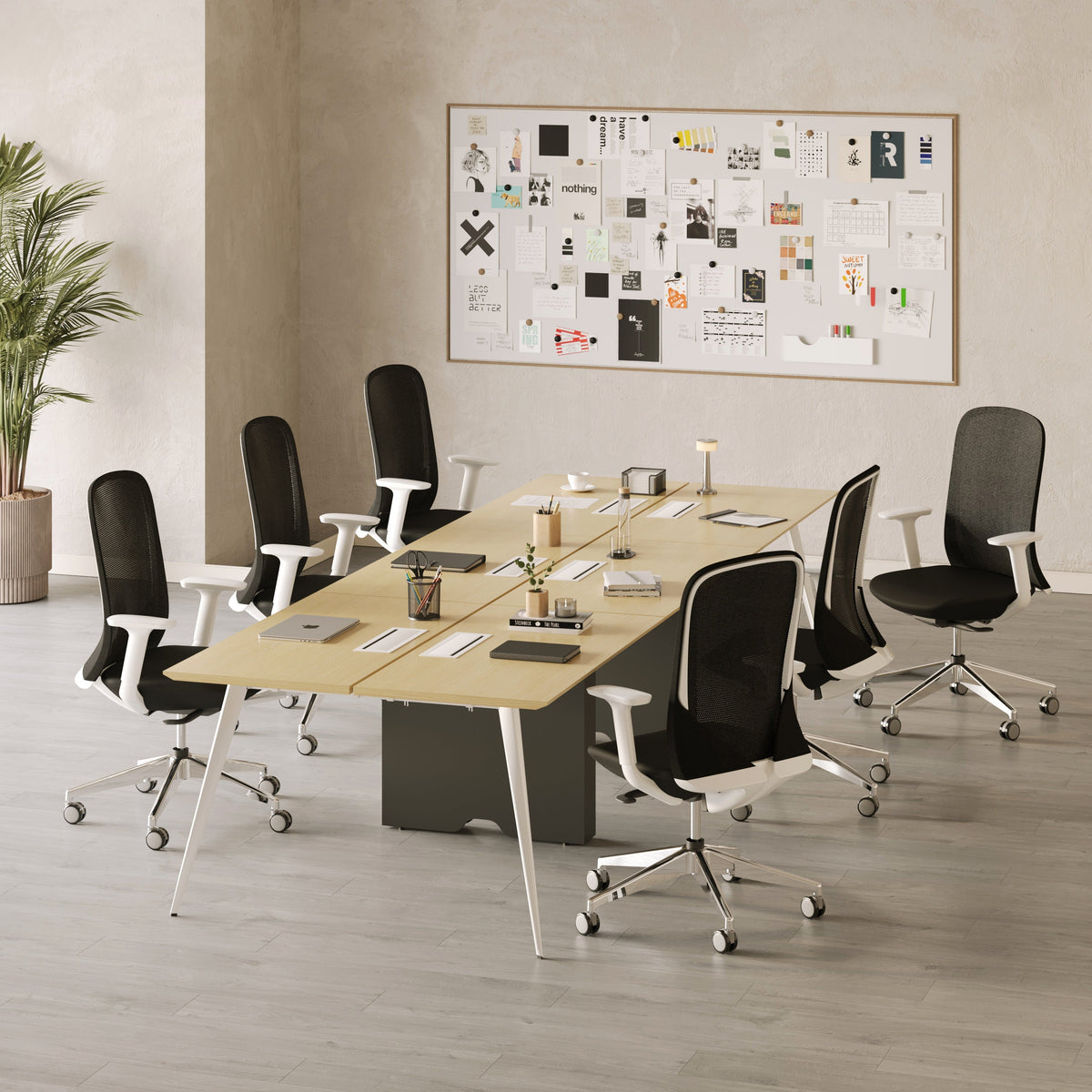
Systems like four-person workstation layouts enable structured multitasking in compact spaces by providing individual zones and cable pathways.
For larger households or extended collaborative needs, shared desks for six-person teams help maintain organizational clarity while supporting simultaneous use.
Reducing clutter through integrated cable and device management
Clutter disrupts productivity. Integrated cable channels, access points, and mounting options reduce visual noise and make transitions between modes faster.
Practical routing and power placement
Routing solutions that guide cables beneath or behind surfaces help maintain a clean look and eliminate the need to reorganize cords each time the table shifts into a new configuration.
The role of height-adjustable surfaces in everyday comfort
Why alternating positions matters
Alternating between seated and standing positions throughout the day promotes natural movement and reduces physical strain from static postures. Multi-mode tables that support height transitions make these shifts accessible and consistent.
Compact lift options for smaller homes
Small spaces benefit from slim, height-adjustable solutions. A compact piece like the small-format standing desk option fits multi-purpose rooms while still offering ergonomic elevation.
Shared sit-stand solutions for paired users
Shared work routines often require dual-height capability. The dual-person sit-stand configuration supports two individuals with distinct workstation needs working side by side.
Lift mechanism choices and long-term use
Manual and electric mechanisms each offer advantages depending on lifestyle. Manual systems offer simplicity, while electric options streamline rapid adjustments.
Designing home offices where a single table replaces multiple pieces
Fluid transitions between work, meal, and hobby modes
A multi-mode table helps establish rhythm within the day by supporting different activities in sequence. Efficient transitions preserve space and encourage users to maintain orderly environments.
When a traditional fixed desk is still the right core element
Some rooms benefit from a fixed anchor for stability, storage, and long-term predictability. A dependable example is the traditional office desk profile, which works well as the firm foundation of a multi-use room.
When a height-adjustable table is the superior backbone
Other spaces require daily position changes, making height adjustability essential. The electric standing desk style supports users with evolving routines and multi-hour work sessions.
Surface layering and accessory planning
Adding movable trays, portable shelves, or modular organizers helps users shift modes without scattering materials. This layered approach supports cleanliness and efficiency in busy spaces.
Solutions that let a single table balance work, dining, and storage
Convertible surfaces that prioritize order and speed
Foldable, reversible, or lift-top surfaces help users transition quickly between dining, work, and downtime. Storage solutions beneath or beside the tabletop keep essential items out of sight.
Spatial strategies for small apartments and studios
Strategic placement near windows, walls, or central seating areas maximizes natural light, accessibility, and circulation. Positioning matters as much as the table’s features in small environments.
Choosing finishes, sizes, and tones to maintain cohesion
Tables that match existing decor, scale appropriately to the room, and maintain neutral or natural tones help multi-mode spaces feel harmonious. A carefully chosen finish can make the table feel intentional even as its functions shift.
Coordinated collections for easy matching
Complementary pieces simplify visual continuity. A coordinated option like the curated modern desk collection supports consistency in style, finish, and function across an evolving home layout.
Comparing key features across multi-mode table types
Mechanisms, use cases, and durability considerations
Each multi-mode structure carries different strengths. Height-adjustable solutions support long workdays. Angle-adjustable surfaces accommodate creative tasks. Expandable designs help households host meals and group projects. Foldable options suit extremely compact living, with quick storage as their defining advantage.
Decision table for selecting the right configuration
| Use Case | Best Table Type | Primary Benefit | When to Choose |
|---|---|---|---|
| Individual daily work | Height adjustable | Supports posture variation | Frequent full-day use |
| Sketching or reading | Angle adjustable | Improves viewing angle | Creative or academic work |
| Family meals and work | Expandable | Adds surface for shared tasks | Regular group use |
| Occasional projects in small homes | Foldable | Stores away when not needed | Minimal floor space |
Selecting a configuration that aligns with daily habits ensures the table remains functional and appreciated long-term.
How these tables influence practical, human-centered homes
Multi-mode tables make it possible for homes to feel larger, more organized, and more intentional. They support the full range of modern routines without overwhelming the room or requiring users to compromise between work and personal life. Thoughtful engineering, durable finishes, and clean motion pathways help households build adaptable environments that reflect the realities of contemporary living.
Related Articles
-
 This Is How To Build A Small Home Office You Actually Want To Work From, And How To Pick Desks For Small Spaces - Urbanica Furniture's Full Guide
-
 Filing Cabinets for Small Spaces That Still Look Clean Now
-
 Minimalist Office Table Ideas That Work Like a Bistro Table
-
 Make Small Shared Spaces Work Better With a Bistro Table
-
 Best Filing Cabinet Layout Ideas for Small Home Offices and Shared Rooms
-
 What Size Filing Cabinet Makes Sense for Small Workspaces?


