



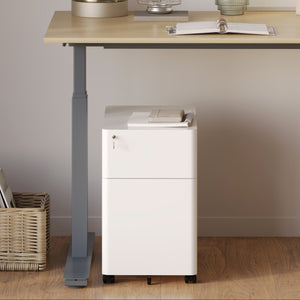






















Filing Cabinet Choices for Cleaner Workstation Planning
Cleaner workstation planning starts with filing storage that matches the desk, document volume, security needs, and daily workflow. Explore how cab...
Learn more
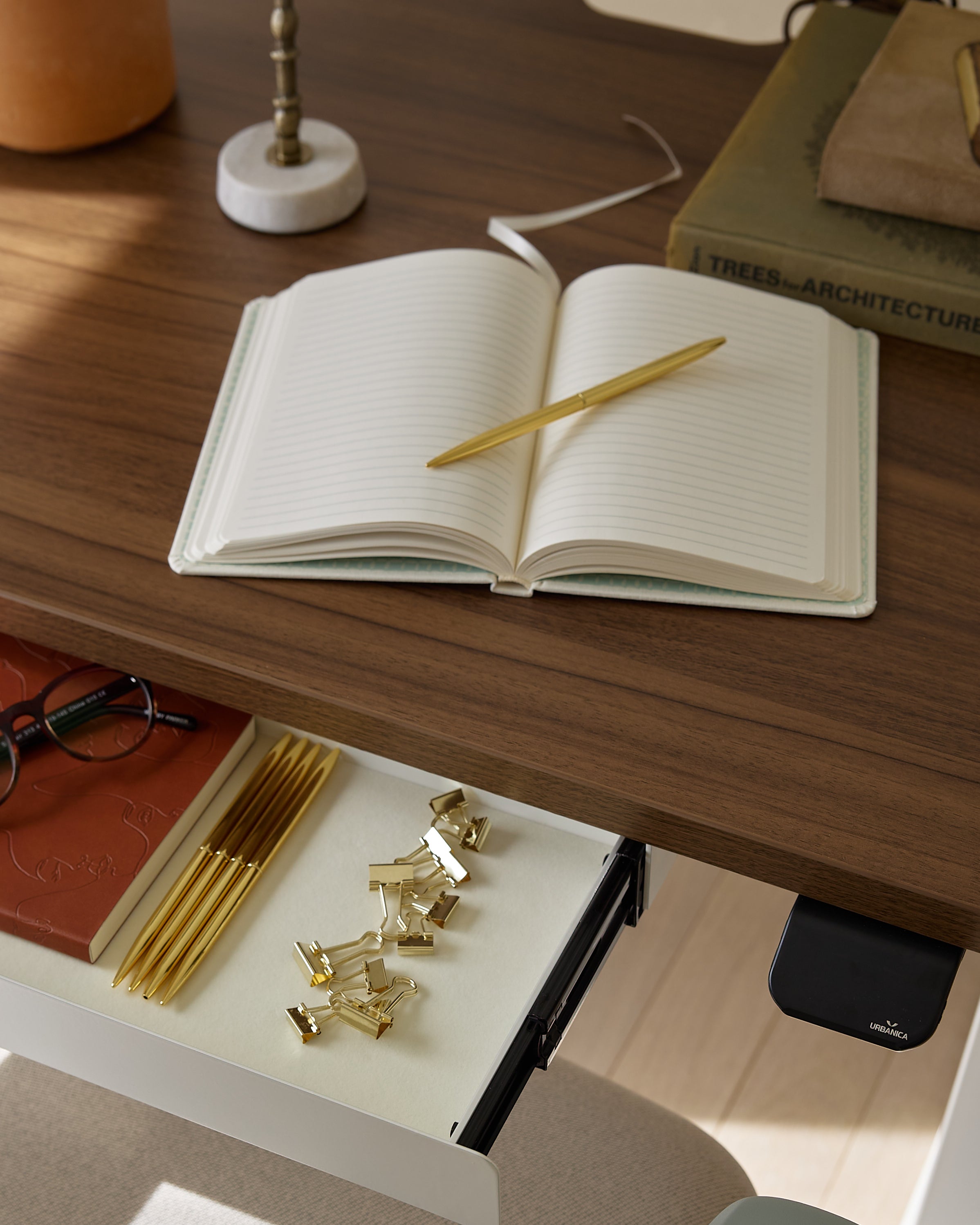
Visit quiz page to see how we makes it easy to create an inspiring workplace


For generations, the image of intense work has been a person seated, motionless, at a large desk. We now know that this stillness is a physical and cognitive liability. The human body and brain are designed for motion; prolonged sitting slows circulation, reduces oxygen flow to the brain, and leads to mental stagnation and physical fatigue. The most effective professionals today have recognized that movement is not a distraction from work—it is the very engine that fuels creativity, sustains energy, and unlocks problem-solving capacity.
Integrating movement into the workday is the single greatest shift a modern professional can make to their routine. It transforms the sedentary workday into a dynamic, active process that keeps both the body alert and the mind agile. By strategically using adaptable furniture, we can intentionally design a kinetic environment that supports continuous mental and physical flow.
When you move, your heart rate increases marginally, pumping more oxygenated blood to your brain. This natural stimulation enhances executive functions—the mental skills that include flexible thinking, working memory, and self-control—all of which are essential for true creativity and sustained focus.
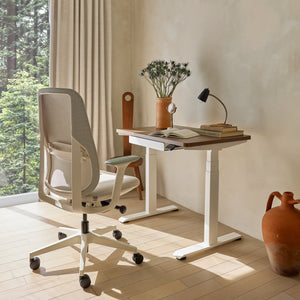
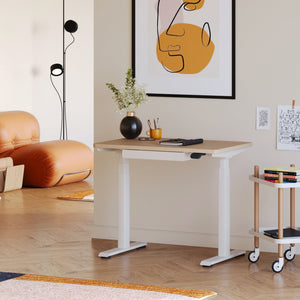
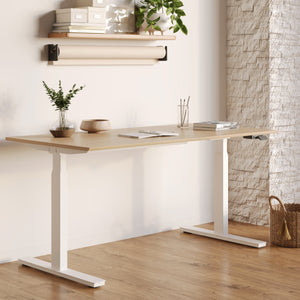
The foundational tool for this kinetic environment is the dynamic standing desk, which turns the simple act of working into an opportunity for vital physical change.
The primary benefit of movement is its power to counteract the inertia of prolonged sitting. Simply changing from a sitting to a standing posture is a physical disruption that translates immediately to a mental reset.
Frequent, short posture changes are more beneficial than long, intense blocks of exercise before or after work. These micro-movements prevent the stiffness and drowsiness associated with static postures.
☐ Start the Day Standing: Begin your first hour standing to ignite alertness.
☐ Stand for Calls: Use phone calls or virtual meetings as triggers for standing.
☐ Sit to Process: Use sitting time for deep, analytical tasks that require focus.
☐ Change Posture Hourly: Use an external reminder to shift position at least once every hour.
Physical motion directly affects the cardiovascular system, which in turn feeds the brain. Increased blood flow is crucial for delivering the nutrients and oxygen required for complex thought.
When the brain is fully oxygenated, it can make connections faster, access memory more efficiently, and sustain the kind of flexible thinking required for creative problem-solving. Movement is literally the fuel for the creative process.

Movement combats monotony. The simple act of changing the physical perspective—by adjusting the desk height or standing—can refresh the mind and break through mental blocks that lead to frustration and lost motivation.
A physical change in elevation or location often provides a new psychological perspective on a problem. If you are stuck on a report, stepping away from the desk or raising the surface height can alter your visual field and initiate a new cognitive path.
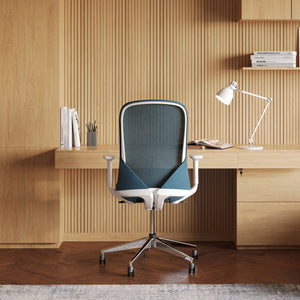
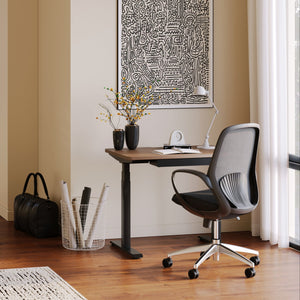
Even when seated, movement is essential. A truly ergonomic chair is designed to support, but also to allow for subtle, continuous motion—rocking, swiveling, and adjusting—to keep the spine mobile.
A high-quality adjustable ergonomic chair is built to flex and respond to the user, encouraging small postural shifts rather than forcing rigidity.
This active support prevents the common issues associated with static postures, ensuring the user remains comfortable and alert.
The best workspaces are defined by furniture that enables flow rather than obstructing it. Transitioning from sitting to standing must be effortless, quiet, and stable.
The primary work surface, whether a traditional professional office desk or a height-adjustable model, must maintain perfect stability regardless of the user's posture. A wobbly surface creates mental friction and reduces the effectiveness of movement.
Chronic static posture contributes to fatigue and stress accumulation. Integrating movement acts as a stress buffer, helping the professional maintain a higher threshold for complex tasks and pressures.
The physical activity releases tension held in the shoulders, neck, and back, which is often a physical manifestation of mental stress. This physical release supports mental resilience throughout the day.
This effect is backed by environmental psychology, confirming the direct link between a supportive environment and improved psychological well-being and stress mitigation.
In team settings, movement can be synchronized to improve collaboration and energy levels. Standing meetings, for example, are proven to be shorter, more focused, and often more creative.
Movement encourages non-verbal communication, enhances attention span, and prompts quicker decision-making among groups.
For collaborative spaces, a two-person standing desk allows partners to easily stand together during joint tasks, matching energy levels and fostering dynamic interaction.
In large professional environments, providing the opportunity for movement across multiple stations ensures the entire team can benefit from increased energy and creativity. The system must be scalable and consistent.
Large-scale furniture systems must consistently deliver the same ergonomic and dynamic functions across every station.
Scalable Movement Benefits Table:
|
Feature |
Impact on Energy |
Impact on Creativity |
|
Individual Height Control |
Sustained personalized alertness |
Focus on individual tasks |
|
Quiet Motor Mechanics |
Non-disruptive, easy transitions |
Maintains group concentration |
|
Cable Management |
Reduced visual clutter and friction |
Supports mental clarity for innovation |
To encourage movement, all physical obstacles must be removed. This includes bulky furniture, floor clutter, and inadequate space to stand comfortably.
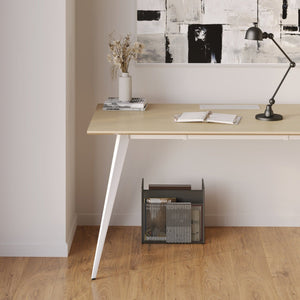
Modern furniture design for movement prioritizes clean lines and minimal base frames. For tight residential or regional markets, the physical footprint must be as minimal as possible while retaining maximum function.
For professionals demanding high utility within a minimal footprint, the choice is a streamlined, yet fully supportive Office Table California.
The physical act of adjusting your workspace can be used as an anchor for a change in mental state—for instance, standing up to transition from administrative tasks to high-level strategic thinking.
By linking movement to the start of a specific, high-focus task, you are training your brain to associate the physical posture with a heightened state of creative engagement and energy. This intentional habit strengthens cognitive control over your workflow.

Movement is the unsung hero of the modern workspace. By utilizing adaptable furniture that encourages frequent changes in posture, you are not just caring for your physical health—you are strategically stoking the fires of creativity and sustaining the mental energy required for peak performance. Embrace the dynamic workspace, and you will fundamentally transform the quality and vitality of your working life.


You have unlocked free shipping!
You're saving $29 and unlocked free shipping!
Leave a comment