



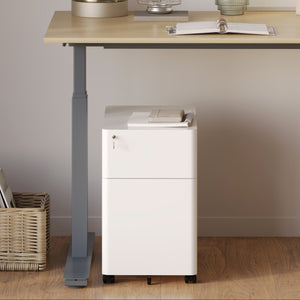






















Filing Cabinet Choices for Cleaner Workstation Planning
Cleaner workstation planning starts with filing storage that matches the desk, document volume, security needs, and daily workflow. Explore how cab...
Learn more
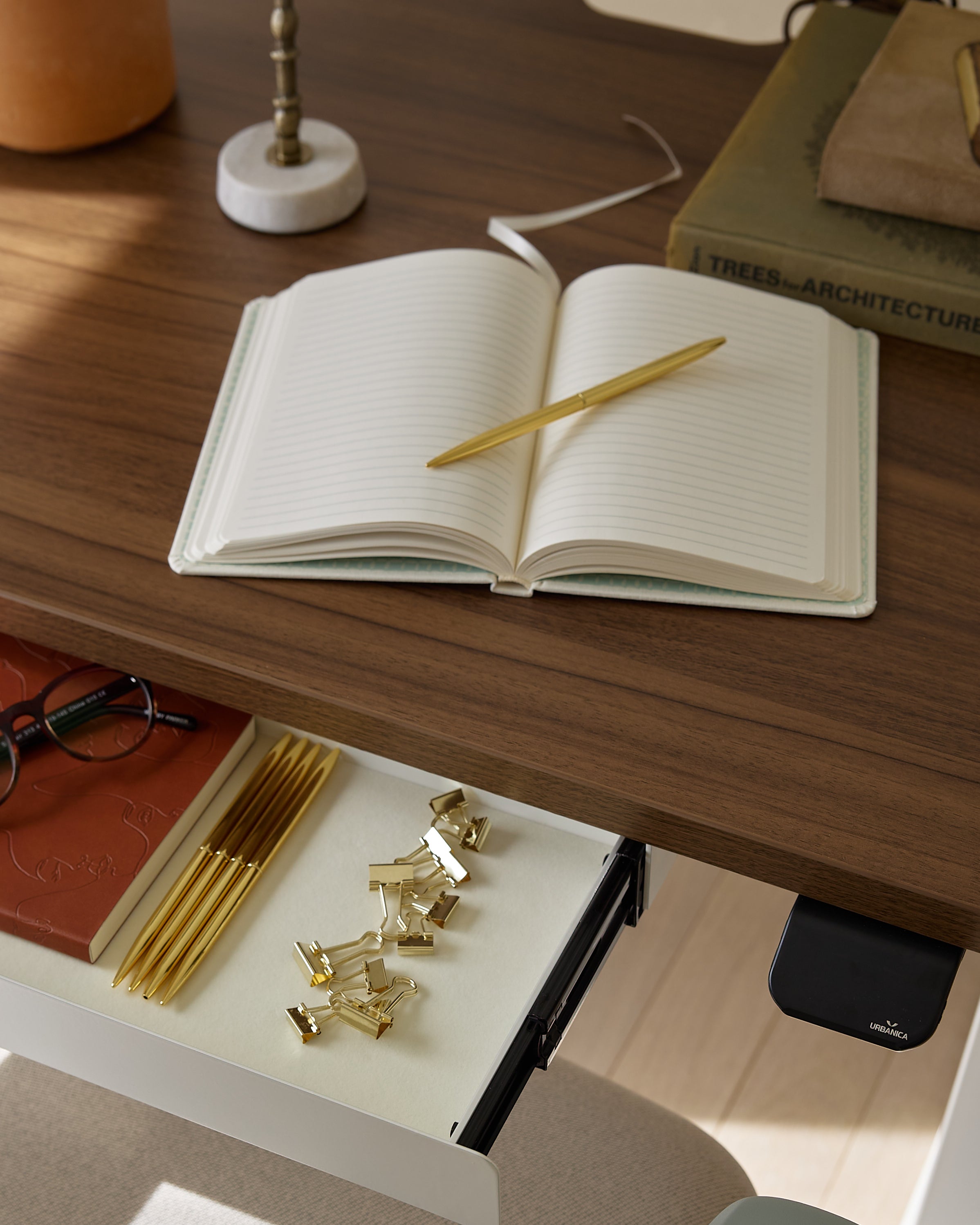
Visit quiz page to see how we makes it easy to create an inspiring workplace


At Urbanica we design tables that respond to the way people live and work today. Spaces have shifted from single uses to layered uses. A dining area may double as a studio. A spare bedroom can become a workshop and a remote office. Furniture that can change with the user prevents constant replacement and supports better daily comfort. Adaptable tables remove friction from transitions so tasks flow from focused work to collaborative sessions to personal projects without a room full of excess furniture.
Remote work, flexible schedules, and shared living arrangements create a need for furniture that is versatile and dependable. People now expect a table to be more than flat and steady. It must adjust height, handle different equipment, and coordinate with other pieces. Practical adaptability means fewer compromises between ergonomics and aesthetics.
Adjustability should be intuitive. Controls, cable routing, and surface options need to empower people to make small changes throughout the day. When a table gives users direct control over posture and layout, productivity and comfort increase without added complexity.
Ergonomics is the backbone of meaningful adaptability. A table that flexes must support neutral posture, reduce repetitive strain, and create predictable and safe equipment placement.
Height range, surface depth, and edge profiles are fundamental. A surface that is too shallow forces leaning. One that is too high stresses shoulders. Designs that allow micro adjustments keep wrists aligned and eyes at a comfortable distance from screens.
Organize the surface into zones: primary device area for monitors and keyboards, secondary zone for reference materials, and a peripheral zone for personal items. When these zones are planned well, switching tasks becomes faster and safer.
Practical design follows widely accepted guidelines rather than guesswork. For credible recommendations on workspace posture, users can reference workplace ergonomic guidance. That type of trusted information influences height ranges, viewing distances, and movement-friendly table proportions.
Stable positioning supported by adaptable furniture significantly improves long term comfort by reducing awkward angles and repetitive strain.
By reducing the need to fight against the desk, users can maintain focus longer. Adaptability also helps people transition between different modes of working without losing rhythm or comfort.
Height adjustability delivers the most immediate change in how a table supports work. It allows a single surface to meet the needs of different users, tasks, and postures.
Full size adjustable desks accommodate multiple monitors, document holders, and peripheral accessories. They provide a stable, generous work plane that supports both sitting and standing work.
Users who need a robust, motorized surface with capacity for large setups often choose our adjustable standing desk for full work setups.
Place the top third of the monitor at or slightly below eye level and keep the keyboard at elbow height. Adjust the surface so forearms remain parallel to the floor. These corrections maintain neutral posture throughout the day.
Not every room can host a large desk. Smaller height adjustable tables deliver the same ergonomic benefits while conserving floor space.
For narrow rooms or secondary work areas, the space saving mini standing desk offers a simple and flexible solution.
A compact adjustable desk is ideal for corner nooks, apartments, shared bedrooms, or as a standing podium for quick tasks and video calls.
Team environments introduce different spatial and functional requirements. Multi user systems must support simultaneous use, clean cable management, and comfortable spacing.
A broad surface helps multiple people work comfortably without crowding. These workstations are designed to support group planning, pair activities, and collaborative review sessions.
Teams needing a shared work area often rely on the six person collaborative desk system.
Plan lateral spacing so each person has enough room to move naturally. Modest acoustic screens can help reduce distractions without blocking communication. Proper sightlines ensure balanced visibility across the group.
Modular islands allow teams to rearrange their footprint easily. A modular quad workstation design supports clusters that can be broken apart or repositioned as projects shift.
Standardize cable pathways and power access points so rearrangements do not interrupt work or require new infrastructure.
Pair setups are effective for mentors, cofounders, and creative duos who need ergonomic parity and shared access to devices.
For synchronized pair work, our dual user standing desk setup offers equal height control and a clean center cable path.
Individual users need adaptability that respects their routines and supports different work styles.
A personal workstation should support transitions between digital tasks, writing, planning, and meetings. The right surface size and ergonomics make this seamless.
For balanced surface area and compact footprint, many users choose our modern office desk for focused tasks.
Monitor arms, risers, and discreet under desk storage keep the surface clear. A central power hub simplifies cable flow without adding clutter.
A predictable arrangement reduces decision fatigue and improves concentration. Keep essential tools within primary reach while storing nonessential items nearby to maintain a clean, focused layout.
Creators and technicians need surfaces that accommodate tools, prototypes, and evolving workflows.
Workflows that combine hand tools and digital devices require a stable but flexible surface that can support weight changes and varied tool usage.
Designate a drop zone for materials, an electronics zone for devices, and an experimental zone for hands on work. Surface materials that handle impact and wear perform best in these contexts.
Reinforced mounting points and cable routing help maintain device safety and organization.
Leg geometry, reinforced subframes, and consistent load distribution keep the table stable at all heights and configurations.
Adaptable tables face more mechanical stress than static ones, so materials and engineering matter significantly.
Layered composites resist warping while metal subframes maintain rigidity. A balanced structure reduces long term wear.
Durable finishes protect against abrasion, stains, and frequent repositioning. Matte and textured options provide a comfortable, non reflective surface.
Cross bracing and telescoping leg mechanisms help maintain stability, especially during movement. These details protect monitors and other sensitive equipment.
Choosing a table requires understanding the space, workflow, and types of equipment involved.
1. Measure available width and depth.
2. Confirm clearance for seating and standing transitions.
3. Map outlet positions and cable routes.
4. Note window lines and viewing angles.
5. Check delivery pathways and turning clearance.
| Use case | Recommended form factor | Key features to prioritize |
|---|---|---|
| Multi monitor professional | Full size adjustable desk | Stable surface depth, high load capacity, smooth height range |
| Compact urban workstation | Mini adjustable desk | Narrow footprint, efficient cable channel |
| Team collaboration | Large workstation cluster | Shared cable pathways, durable surface, individual work zones |
| Paired collaboration | Two person standing desk | Synchronized height control, central cable path |
| Creative studio | Robust adaptable table | Replaceable surface zones, reinforced frame |
Choose monitor arms, trays, privacy screens, or tool racks depending on your tasks. Accessories allow a table to evolve without needing replacement.
A cohesive collection creates visual continuity and supports multiple work styles throughout a space.
To unify multiple zones with consistent finishes and forms consider our cohesive modern desk collection.
Use consistent surface tones while varying heights to signal function. Shared materials reduce visual noise and reinforce harmony across different areas.
Adaptable desks perform best when installed and maintained with care.
Assemble on a protective floor surface. Tighten fasteners gradually. Test height transitions before adding equipment. Secure cable management once the frame is stable.
Keep joints and mechanisms clean, check fasteners periodically, and use surface safe cleaners. These simple practices ensure longevity and day to day smoothness.
A thoughtfully designed adaptable table remains useful across life transitions and evolving work habits. Expect mechanisms to remain functional with basic care, surfaces to show normal wear, and modular components to support gradual upgrades. When chosen well, an adaptable table becomes a stable tool that supports everyday comfort and productivity for years.
When a table is selected with adaptability in mind it becomes a partner in shaping daily routines. Focus on balance, comfort, and thoughtful adjustability. A well designed adaptable table supports the way people truly live and work, helping spaces evolve naturally as needs change.


You have unlocked free shipping!
You're saving $29 and unlocked free shipping!
Leave a comment