



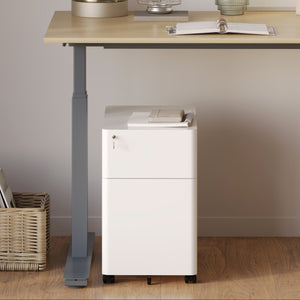






















Filing Cabinet Choices for Cleaner Workstation Planning
Cleaner workstation planning starts with filing storage that matches the desk, document volume, security needs, and daily workflow. Explore how cab...
Learn more
Visit quiz page to see how we makes it easy to create an inspiring workplace


Minimalism has evolved from a fleeting aesthetic preference into a lasting design philosophy that influences how people live and work. It embraces simplicity not as an absence of personality but as a deliberate choice to prioritize clarity, intention, and spatial balance. In modern interiors, this approach gives both the home and office a sense of openness and calm, making every surface count.
Clean, intentional environments foster focus. Reducing visual noise encourages mental stillness, which directly supports creativity and decision-making. The presence of fewer but more meaningful pieces allows occupants to form stronger connections with the objects around them, cultivating mindfulness and function in equal measure.
Minimalism’s guiding principle is efficiency without excess. Designers who follow this ideology focus on creating objects that serve multiple roles while maintaining harmony in shape, color, and form. Every curve and contour is considered, ensuring furniture integrates seamlessly into any room without dominating it.
Versatile furniture reflects design intelligence. Minimalist tables with built-in adaptability are more than static surfaces; they are dynamic tools engineered for evolving lifestyles. Each design decision, from height flexibility to material selection, considers the user’s rhythm of work, creativity, and rest.
Modern tables frequently serve dual or even triple functions. A workspace by morning, a dining zone by night, and a creative station on weekends. Designers achieve this fluidity through thoughtful construction and minimal mechanisms that enable smooth transitions without clutter.
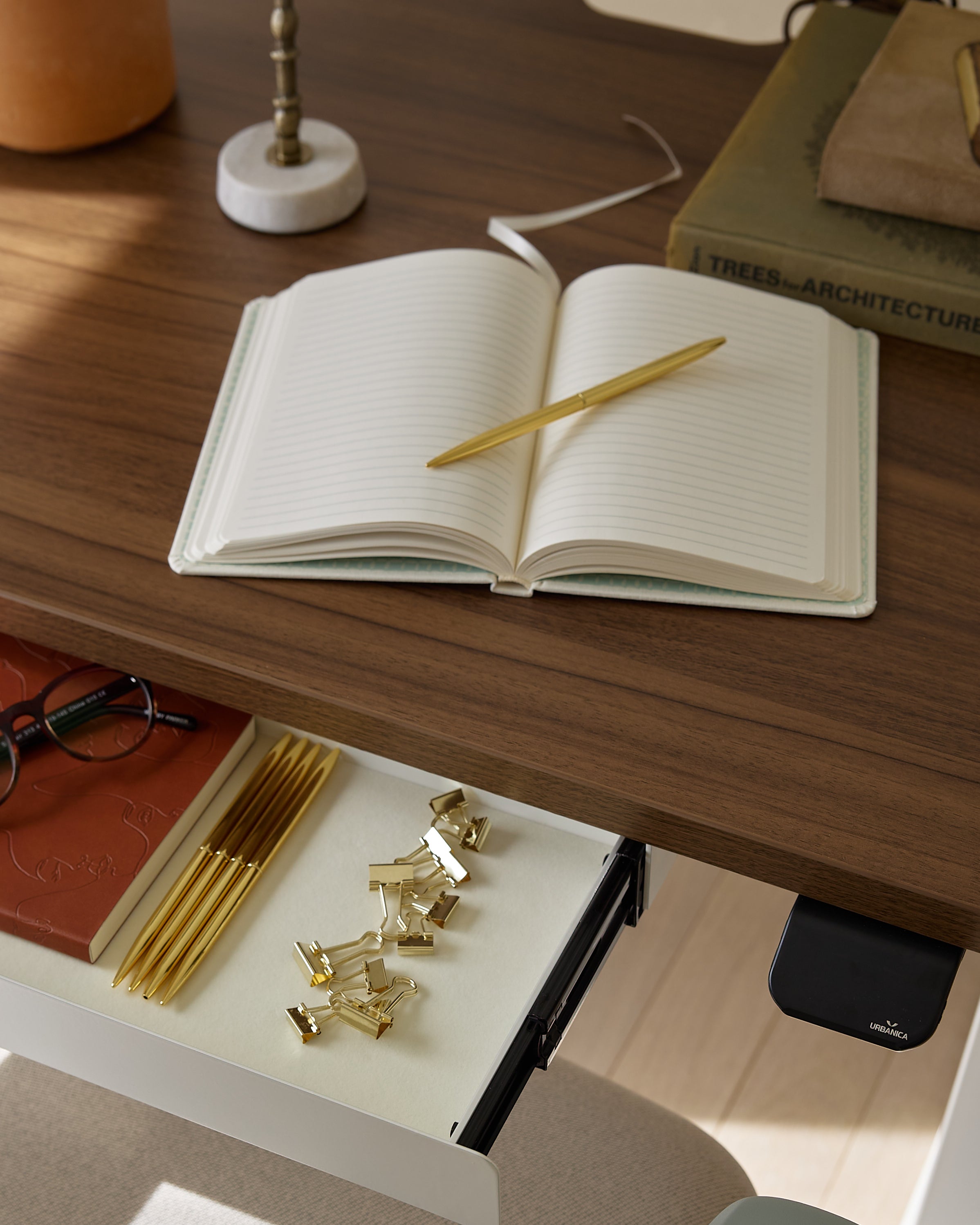
Hidden drawers, modular extensions, and clean cable channels preserve the visual purity of minimalist spaces while quietly expanding functionality. By keeping visual lines unbroken, these additions sustain minimalism’s aesthetic strength and create practical comfort in daily use.
Materials form the foundation of durability and function. Engineered wood allows consistent finishes and light handling, steel frames add stability, and bamboo offers renewable strength. Each choice contributes to the balance between weight, resilience, and sustainability that defines minimalist craftsmanship.
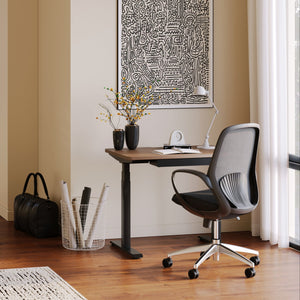
As the focal point of many modern interiors, the desk exemplifies how minimalism drives performance. A well-designed table is not only beautiful but practical, encouraging better posture and focus through simplicity and spatial intelligence.
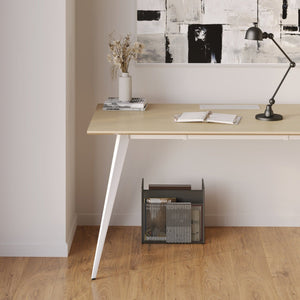
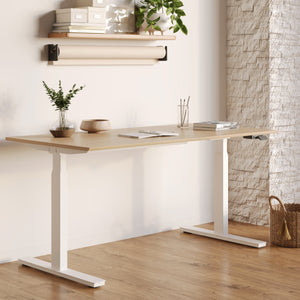
Within this vision, Urbanica’s collection of minimalist desks represents clean, multi-use designs that align with contemporary living. Each piece prioritizes balance between visual lightness and structural integrity, offering streamlined surfaces that complement compact apartments, studios, or full-sized offices.
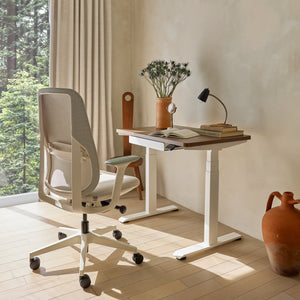
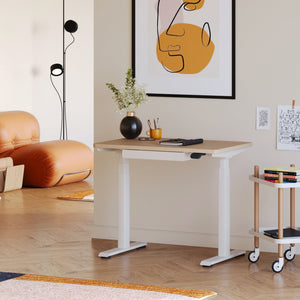
For users seeking efficiency in limited spaces, the ergonomic compact office desk is designed with clarity and proportion in mind. Its understated geometry and balanced dimensions make it suitable for both professional and residential settings where simplicity drives concentration.
Movement matters in every productive environment. The adjustable standing desk for ergonomic wellness supports posture flexibility and sustained energy throughout the day. Its smooth elevation control encourages alternating between sitting and standing, aligning with ergonomic workspace safety standards that emphasize circulation and comfort.
Adaptability extends to smaller spaces through lightweight furniture solutions. The lightweight mini standing workstation combines portability with stability, allowing seamless transitions between rooms or varying work contexts. Its efficient proportions make it ideal for remote work, art studios, or multipurpose home offices.
Minimalist tables designed for teamwork combine harmony and adaptability. Their layouts maintain openness while supporting shared productivity. Clean design ensures collaborative energy flows naturally without visual or physical barriers.
The four-station collaborative desk configuration fosters dynamic interaction in open spaces. Each station provides enough privacy for focus while maintaining symmetry and cohesion in design. This setup exemplifies how modular planning can elevate collective performance without compromising individual comfort.
Larger teams benefit from spatial organization that feels unified yet uncluttered. The six-person workstation layout achieves this through continuous surfaces and smart wire channels, sustaining both connectivity and order. The structure’s modular integrity allows seamless scaling while maintaining balance and proportion.
In flexible environments where collaboration and health meet, the two-person adjustable height workstation represents a thoughtful evolution. It provides shared standing capability that adapts to individual comfort, creating ergonomic inclusivity while maintaining minimalist precision.
The harmony between appearance and comfort defines the success of minimalist design. When tables blend proportion, line, and posture awareness, they transcend pure utility and become enablers of well-being.
Balanced proportions reduce strain and support a natural sitting or standing position. Proper spacing allows easy movement and minimizes visual tension. Environments built on these principles become more inviting and efficient, enabling deeper concentration.
Intentional simplicity reminds users to engage with their environment consciously. Height adjustability and surface clarity reduce distractions and promote active engagement, supporting daily well-being through subtle yet meaningful interactions.
Sustainability and minimalism share a core belief: quality outweighs quantity. Furniture built to last eliminates the need for constant replacement, conserving both material and energy.
| Material | Durability | Weight | Sustainability Factor |
|---|---|---|---|
| Engineered Wood | Medium | Light | High – uses recycled fibers |
| Solid Bamboo | High | Light | Excellent – rapidly renewable |
| Steel Frame | Very High | Heavy | Moderate – recyclable |
| Composite Laminate | Medium | Medium | Moderate – efficient yield |
True sustainability values endurance over novelty. By choosing materials with resilience and timeless appeal, designers ensure that each table remains relevant for years. This long-term perspective strengthens the relationship between form, purpose, and environmental responsibility.
The boundary between home and work continues to blur, demanding furniture that transitions effortlessly between roles. Minimalist tables with versatile construction allow users to redefine their environments throughout the day.
A single table can support multiple phases of daily life. Clean designs complement a laptop setup in the morning, host a family meal at noon, and transform into a creative space in the evening. This adaptability defines contemporary living.
1. Workstation by day, dining surface by night
2. Compact collaborative desk for shared study
3. Creative corner for art, design, or writing
4. Standing task station to support movement
5. Minimal media or reading table in shared rooms
Each function demonstrates how versatility thrives when design clarity meets user intention.
The future of furniture design focuses on flexibility, integration, and conscious living. Minimalist tables are leading this transition by proving that elegance can coexist with function.
Advancements in workspace design integrate subtle technology without overwhelming simplicity. Built-in cable solutions or wireless charging zones blend utility with understated sophistication, supporting digital life while maintaining aesthetic restraint.
Minimalist tables designed for adaptability do more than fill space. They evolve with changing needs, lifestyles, and environments. Each surface becomes part of a larger rhythm, reinforcing the philosophy that true design is timeless because it continues to serve with purpose and honesty.


You have unlocked free shipping!
You're saving $29 and unlocked free shipping!
Leave a comment