



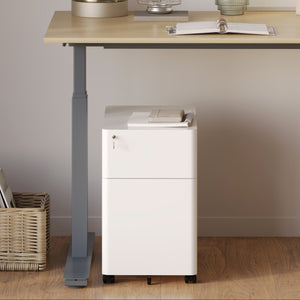






















Filing Cabinet Choices for Cleaner Workstation Planning
Cleaner workstation planning starts with filing storage that matches the desk, document volume, security needs, and daily workflow. Explore how cab...
Learn more
Visit quiz page to see how we makes it easy to create an inspiring workplace


The modern work environment is no longer defined by static furniture; it is defined by intelligence. As our professional lives become increasingly digital and health-conscious, our office equipment must evolve from passive objects into active partners. The next frontier in productivity lies in smart furniture—pieces that not only support the body but actively coach posture and seamlessly integrate the power needed for our digital lives.
This combination of ergonomic sensing and integrated charging addresses the two greatest friction points in the modern home office: chronic pain caused by poor posture, and the endless tangle of cords and dead batteries. By investing in smart desks and chairs, you eliminate physical strain and digital clutter, transforming your workstation into a high-efficiency hub that anticipates your needs and safeguards your well-being.
Modern work requires simultaneous support for the body (ergonomics) and support for technology (power). Failure in either area compromises output.
Active Health Coaching: Provides real-time feedback on posture and movement needs.
Integrated Power: Eliminates cable clutter and ensures device readiness.
Seamless Design: Merges technology into the furniture for minimal aesthetic disruption.
The primary benefit of smart office equipment is its ability to monitor posture. A simple ergonomic chair may support correct posture, but an intelligent one will remind you when you slip out of alignment.
Integrated sensors in the chair's cushion or backrest track pressure distribution and spinal angle. If you begin to slouch or lean, the system can issue gentle alerts, either through haptic feedback (vibration) or an accompanying app notification.
This real-time correction is far more effective than relying on willpower. The quality of the underlying support remains key, requiring a high-performance ergonomic chair designed for precise sensor integration.
The second pillar of smart furniture is power delivery. Loose cables and power strips create visual chaos and tripping hazards, distracting from the work itself.
Intelligent desks consolidate power access, routing wires internally and providing integrated ports. This eliminates the "cable spaghetti" that plagues most home office setups.
A desk power unit, installed directly into the desktop model, provides discreet USB and AC access, ensuring devices are always charged without compromising the clean aesthetic of the workstation.
For adjustable desks, the intelligence extends beyond mere height adjustment to include movement coaching.
Smart stand up desks can track the duration of sitting and standing periods, prompting the user to transition at optimal intervals (e.g., 45 minutes of sitting followed by 15 minutes of standing).
This dynamic coaching ensures that the superior functionality of an adjustable desk is actually utilized throughout the day, maximizing health benefits.
Smart technology enhances, but does not replace, fundamental ergonomic design. The physical geometry of the desk and chair must still be correct.
Before any sensor is activated, the workstation must be aligned correctly. This includes ensuring the desk height is correct for the user's elbow angle and that the monitor is at eye level.
Choosing a refined computer table with the structural integrity and space necessary for smart component integration is essential.
The monitor remains the biggest influence on neck posture. Smart workstations integrate accessories that facilitate optimal screen placement.
An articulating desk accessory is a simple, non-electronic piece of intelligence. It allows the user to quickly adjust monitor height and distance when shifting from sitting to standing, ensuring the posture coach sensors receive accurate data.
The correct ergonomic setup is crucial for reducing pain, which directly impacts productivity, as highlighted by studies on ergonomic impact.

One of the great advantages of intelligent furniture is its integrated design. The technology is hidden, maintaining the clean, non-distracting visual environment necessary for focus.
The ideal smart desk does not look technological; it looks architecturally clean. Wires are concealed, sensors are unobtrusive, and charging pads are built flush into the desktop model. This aligns perfectly with the goal of minimizing visual friction.
In highly competitive, demanding markets where space is often limited and professionals seek the best performance tools, fully integrated work environments become the standard.
In metropolitan areas, office equipment must meet stringent demands for space efficiency and technological integration. A high-quality Office Desk Los Angeles is sought after for its ability to blend sleek design with essential functionality, including built-in power solutions.
The real value of posture-monitoring furniture is the long-term dividend it pays in health. By coaching better habits, it prevents chronic musculoskeletal issues.
The system acts as a perpetual ergonomic assistant, mitigating the natural tendency to slump during intense concentration. This preventative measure ensures consistent comfort and career longevity.
A high-performance, intelligent workstation is ineffective if the ambient environment—the temperature, light, and sound—is distracting. Smart design includes controlling these external factors.
Effective workstations minimize auditory and visual distractions. This means placing the desk away from heavy foot traffic and utilizing natural light whenever possible. The ideal setting is one where the ergonomic chair is positioned to face a calming view or a blank wall, minimizing peripheral distraction.
Auditory Control: Use noise-canceling headphones or ambient soundscapes.
Light Quality: Supplement natural light with full-spectrum, non-glare task lighting focused on the desktop.
The goal is to create a micro-climate around your desk that is conducive to deep, uninterrupted concentration.
Investing in smart furniture is a long-term decision. To maximize the longevity of your investment and minimize future waste, the office equipment must be designed with modularity and adaptability in mind.
High-quality intelligent desks and chairs are built so that technology can evolve without replacing the core structure. For example, a smart stand up desk should allow for easy access to cable channels and integrated power units so that USB standards (like upgrading from USB-A to USB-C) can be updated easily.
This focus on adaptability ensures that the structural integrity of the desk and the support mechanisms of the ergonomic chair remain valuable assets even as digital accessories change rapidly.
The sophisticated mechanisms and sensors in smart office equipment require minimal, but intentional, care to ensure their long-term functionality and accuracy. Neglecting simple maintenance can compromise both the ergonomic support and the technological feedback.
While a premium desk requires little daily care beyond wiping the desktop, the electronic components need routine attention.
Maintenance Checklist:
☐ Firmware Updates: Ensure the adjustable desk or smart chair system's firmware is up-to-date for optimal sensor calibration. ☐ Cable Checks: Routinely verify that the power cables and motor wires running through the desk channels are secure and undamaged. ☐ Sensor Calibration: Occasionally check the smart chair's app to ensure the posture sensors are calibrated correctly to your seated position.

The merging of digital technology and physical furniture is the future of the productive home. These intelligent workstations will become essential tools for monitoring health, maintaining focus, and simplifying the digital workflow.
Energy Preservation: Less time spent adjusting and plugging in means more energy for work.
Health Maintenance: Constant posture coaching minimizes pain and muscle tension.
Aesthetic Upgrade: Clean, cable-free design boosts mental calm and professionalism.
The era of passive office equipment is over. By investing in smart furniture that monitors posture and integrates power, you are equipping yourself with an active tool for health and focus. This intentional merging of technology and design eliminates the common friction points of the modern work environment, allowing you to concentrate fully on output while your workstation automatically takes care of your well-being and digital needs.


You have unlocked free shipping!
You're saving $29 and unlocked free shipping!
Leave a comment