




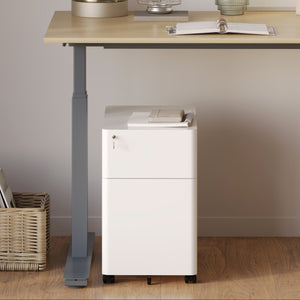






















Filing Cabinet Choices for Cleaner Workstation Planning
Cleaner workstation planning starts with filing storage that matches the desk, document volume, security needs, and daily workflow. Explore how cab...
Learn more
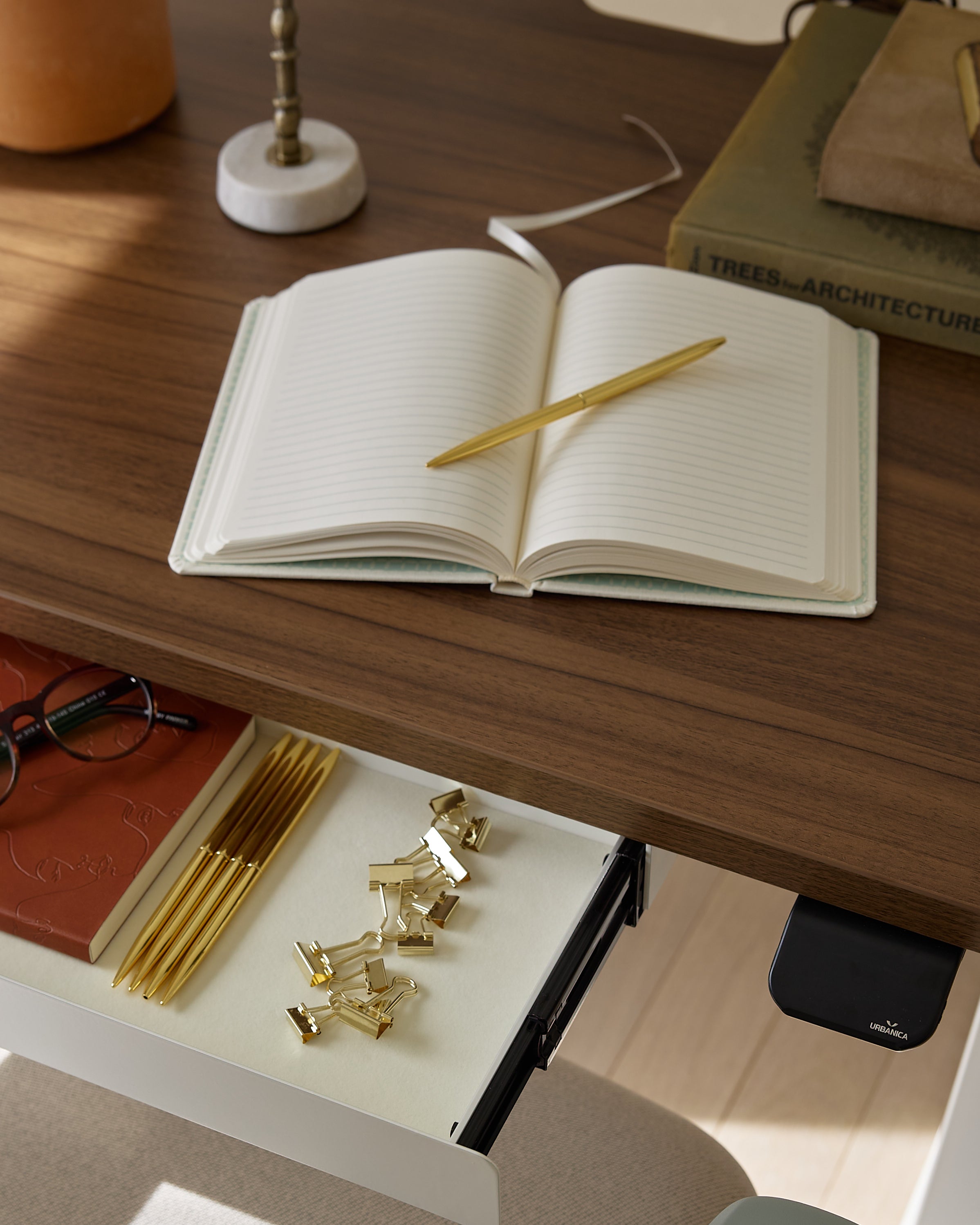
Visit quiz page to see how we makes it easy to create an inspiring workplace


Small homes demand intention, and every choice influences how well the space performs. At Urbanica, we focus on furniture that empowers residents to live comfortably without excess. Transforming tables stand out as one of the most impactful pieces for compact environments because they convert fixed square footage into responsive, flexible functionality. A single table can shift between dining, working, hosting, studying, or creative use without adding clutter or consuming permanent floor space.
Practicality matters more than novelty. A transforming table must feel stable when extended, slim when stored, and simple to operate under everyday conditions. The value lies in reliable mechanics, comfortable surface heights, and proportions that keep a room open. This approach ensures that the home remains adaptable, organized, and visually calm even in very tight layouts.
Transforming tables also support natural movement patterns. Foldaway components, pivoting surfaces, and compact extensions allow users to reconfigure a room quickly. When furniture respects a room’s circulation paths, the entire space feels more open and intuitive. These qualities allow compact homes to serve more roles without ever feeling strained.
Comfort should never be sacrificed because of limited space. A transforming table performs best when it supports good posture during both seated and standing activities. To maintain a safe and healthy setup, we design our surfaces so they can align with trusted posture and workstation recommendations such as those found in ergonomic posture guidelines. These standards shape our approach to table height ranges, legroom depth, and the angle relationships between screens and users.
A reliable transforming table must move smoothly and lock securely. Stability comes from durable hinges, clean locking points, and extension paths that resist wobbling. Because small rooms require frequent reconfiguration, we prioritize glide systems that operate with minimal effort. Every mechanism is evaluated to ensure it supports common daily loads such as laptops, meals, books, or craft materials without bending or shifting.
Compact homes place heavier demands on surfaces because fewer pieces of furniture serve more roles. That is why we use durable, easy to clean materials that maintain their integrity under regular use. Engineered wood with reinforced cores, thin gauge metal frames, and tempered glass accents provide strength without unnecessary weight. Edges are softened or rounded to reduce impact in narrow walkways, and finishes are selected to resist wear while maintaining a clean, modern look.
Zoning allows a single room to function as several distinct areas without adding partitions. When a transforming table anchors a zone, everything around it should support its multifunctional nature. A table near a window may serve as a dining corner in the evening and a workspace during the day. Flexible seating, movable lighting, and accessible storage help reinforce each zone’s purpose without clutter.
Planning movement paths around the table prevents crowding and supports a calm daily flow. A fold out or expanding table should be oriented toward the room’s open side to ensure sufficient space for extension. Even in very compact homes, maintaining clear lateral paths helps prevent collisions and supports comfortable circulation. Thoughtful spacing ensures the table can operate fully without disrupting the rest of the layout.
When positioning a transforming table, wall adjacency is a powerful tool. A table that rests flat against a wall when not in use frees the center of the room. Vertical storage like shelves, pegboards, or modular wall units above the table keeps essentials nearby without using floor space. This combination works well for homes where every inch must be functional and every zone must serve more than one purpose.
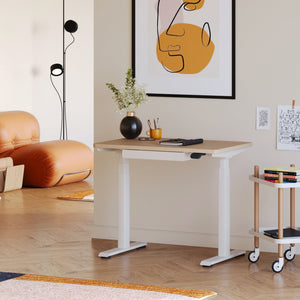
Modern living often requires homes to support focused work without sacrificing comfort or personal space. A transforming table acts as the central platform for hybrid living, shifting between personal and professional tasks without needing a dedicated office. When paired with a specialized surface like compact desktop options, residents gain an additional fixed workstation that reduces setup time and keeps essential items organized.
Cable routing can quickly become overwhelming in a compact environment. A clean transforming table layout includes subtle cable channels, minimal visible wiring, and accessible power sources that do not interfere with folding mechanisms. Removable risers or simple supports help maintain proper screen heights when the table becomes a workspace, and these accessories can be stored neatly when the table transitions to dining or creative activities.
Even the most compact spaces benefit from transient privacy. Lightweight screens, reversible dividers, or tall storage units placed near the transforming table can help create a semi private pocket for calls or deep focus work. These add-ons preserve openness while giving users the temporary separation often needed in hybrid living setups.
Standing height tables keep sight lines open and reduce the visual weight inside a small room. Users working at standing height consume less perceived space because seated furniture is not required. These surfaces work especially well for short tasks, creative sessions, or collaborative moments.
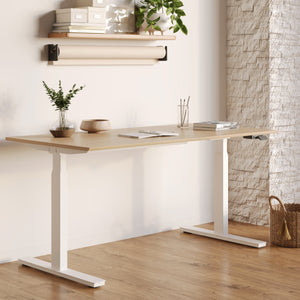
Standing solutions allow for smooth transitions between tasks. For consistent vertical work, residents often benefit from pairing a transforming table with a height adjustable option like adjustable height desk choice. For especially constrained footprints, a corner friendly surface such as a compact mini standing desk provides elevated functionality without crowding the room. When a larger vertical workstation is preferred, a full height standing desk option can be positioned near the transforming table to create a dual purpose work zone.
Place standing surfaces where movement is natural, such as along the room’s perimeter or near windows. Keep stools or narrow benches nearby for brief rests. Lighting should illuminate the full height of the workstation, and outlets must remain within reach so users can shift between sitting and standing configurations with minimal effort.
Shared living and work environments benefit from tables built to accommodate multiple users. A compact multi seat solution such as a four person workstation solution allows residents or coworkers to gather efficiently without dedicating excessive space to permanent group furniture. These systems encourage teamwork in environments where space is limited.
When occasional larger sessions are needed, a surface designed for six users, such as a six person collaborative desk, becomes a dependable shared hub. These configurations expand easily and store in a compact structure when not in use, keeping the room adaptable and clutter free.
Standing arrangements encourage mobility and are practical for quick interactions or rapid ideation. A two person vertical layout like a two person standing desk design supports this dynamic without adding extra seating. These setups help shared spaces remain functional regardless of how many people are present.
Colors significantly influence perception in tight rooms. Light palettes spread illumination, creating a more open feel. Reflective surfaces, when used deliberately, enhance brightness without overwhelming the space. Selecting a table finish that harmonizes with surrounding tones creates visual continuity that helps the room feel larger.
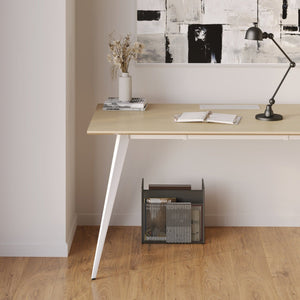
Slim, tapered, or open leg structures preserve visible floor area, which increases perceived space. Reducing the visual mass of the table keeps the entire layout feeling light and breathable. We avoid bulky aprons or heavy bases because they visually compress the room.
Tables that include subtle storage keep clutter manageable. Hidden drawers, side compartments, or under surface trays keep daily items organized and ensure the table remains a clean focal point when stored. Transparent or open styled storage complements this effect by providing capacity without adding heaviness.
Micro studios require careful planning because every item must justify its presence. Position a transforming table along the unit’s longest wall to give it room to expand. Combine it with vertical shelving or corner storage to support quick transitions between functions.
Families often rely on one table for meals, schoolwork, planning, and play. A dependable transforming surface with stable extensions and rounded corners maintains safety and flexibility. Strategic placement near flexible storage supports fast resets throughout the day.
Rental units need furnishings that feel welcoming yet reset quickly. Folding or sliding transforming tables provide this advantage. Durable finishes simplify cleaning, and compact footprints maintain a clean aesthetic between guests.
Test extension stability, locking points, and ease of reconfiguration. Observe how the table behaves under light pressure and how easily one person can adjust it. Confirm that materials suit daily cleaning routines and that edges are safe for narrow walkways. If the table will serve as a workstation, evaluate how it supports screen placement and cable routing.
Because transforming mechanisms involve consistent motion, having access to replacement hardware or maintenance instructions is essential. Favor products designed with accessible components and long term servicing to ensure reliability throughout years of use.
At Urbanica, our design philosophy is built on quiet reliability. Our transforming tables emphasize smooth operation, timeless materials, and proportions that fit small spaces with ease. We design modular add ons that allow users to evolve their setup without needing entirely new furniture.
Our development priorities focus on reducing friction in daily transitions, supporting natural movement patterns, and creating surfaces that maintain visual calm. This approach ensures that transforming tables remain valuable for years, adapting to new routines as life changes.
Choose a transforming table based on real daily habits rather than hypothetical use cases. Measure movement paths carefully and place the table where transitions feel natural. Pair it with a compact dedicated desk or standing option for routine tasks, and support the zone with vertical storage to keep everything streamlined.
With thoughtful planning and well considered placement, transforming tables allow even the smallest homes to feel organized, comfortable, and ready for whatever the day brings.


You have unlocked free shipping!
You're saving $29 and unlocked free shipping!
Leave a comment