



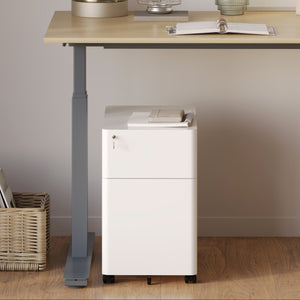






















Filing Cabinet Choices for Cleaner Workstation Planning
Cleaner workstation planning starts with filing storage that matches the desk, document volume, security needs, and daily workflow. Explore how cab...
Learn more
Visit quiz page to see how we makes it easy to create an inspiring workplace


Furniture placement influences more than just aesthetics. It shapes how a room feels, functions, and supports daily life. Some interiors feel calm and structured because of symmetrical layouts. Others feel dynamic and creative due to asymmetrical arrangements. Neither approach is superior. The key is knowing when to use each one.
In workspaces especially, furniture alignment affects productivity, posture, and mental clarity. Whether arranging a home office or refining a professional environment, understanding symmetry and asymmetry allows you to create spaces that are both visually appealing and highly functional.
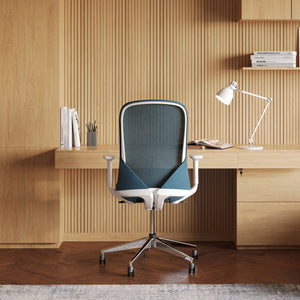
Symmetry is rooted in balance. When furniture mirrors itself across a central axis, the room feels stable and predictable. Matching chairs on either side of a desk. Identical lamps flanking a console. Even spacing between elements. These details signal order.
A thoughtfully positioned Office Table Los Angeles setup can serve as the central anchor of a symmetrical workspace. When aligned evenly within the room and paired with balanced accessories, it creates a sense of authority and focus.
Symmetry works well in:
Executive offices
Formal living rooms
Structured meeting spaces
It provides calmness and clarity, which are essential in environments that require concentration.
Symmetrical furniture placement feels predictable. The eye moves evenly across the room without disruption.
Examples include:
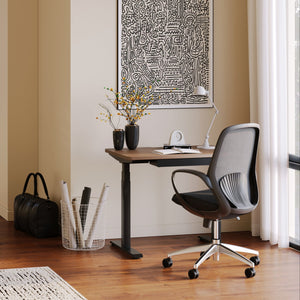
Centering a desk beneath artwork
Matching chairs on both sides
Aligning shelves evenly
An organized layout reduces mental clutter. A clean standing desk centered within a workspace promotes physical balance and encourages posture alignment.
Benefits of symmetrical work zones:
Improved concentration
Reduced visual distraction
Clear focal points
While symmetry promotes order, it can feel overly formal if overused.
To soften it:
Introduce subtle texture differences
Add organic elements like plants
Use warm lighting
Balance is essential, even within balanced layouts.
Asymmetry introduces movement. Instead of mirroring elements, it balances visual weight through contrast.
For example:
A desk placed off-center
One larger art piece balanced by smaller accents
Open shelving on one side only
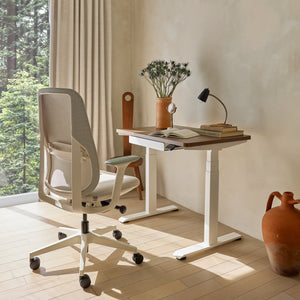
An asymmetrical setup works when weight is distributed thoughtfully. A streamlined office desk positioned slightly off-center can create visual interest while still maintaining functional flow.
Key tips:
Balance size with proportion
Offset large pieces with multiple smaller ones
Maintain clear pathways
Asymmetry should feel intentional, not random.
To prevent imbalance:
Keep consistent color tones
Align heights strategically
Repeat materials subtly
Asymmetry thrives on thoughtful design, not improvisation.
Our brains naturally respond to order. Research on the psychology of organizing shows that structured environments reduce stress and improve focus.
Symmetry provides predictability. Asymmetry stimulates creativity. Both influence mood differently.
In workspaces:
Symmetry supports concentration
Asymmetry encourages innovation
Choosing the right layout depends on the energy you want the room to promote.
Symmetry should extend to posture. Proper desk and monitor alignment create physical balance.
An adjustable monitor arm ensures screens are centered and positioned at eye level, reinforcing ergonomic symmetry.
Benefits include:
Reduced neck strain
Cleaner desk surfaces
Improved alignment
A supportive ergonomic office chair placed directly in line with your desk enhances both visual and physical balance.
Even symmetrical layouts can include adjustable elements. Small asymmetrical accents can add personality without disrupting core structure.
Ergonomics strengthens both symmetrical and asymmetrical designs.
Many modern spaces combine symmetry and asymmetry for layered impact. For example:
Symmetrical desk placement
Asymmetrical wall décor
Balanced lighting with varied textures
This hybrid approach creates sophistication. The room feels structured yet relaxed.
The secret lies in knowing where to apply each technique. Anchor the room symmetrically. Add character asymmetrically.
|
Feature |
Symmetry |
Asymmetry |
|
Visual Effect |
Calm and orderly |
Dynamic and creative |
|
Best For |
Formal offices |
Creative workspaces |
|
Placement Strategy |
Mirrored elements |
Balanced contrast |
|
Emotional Impact |
Stability |
Energy |
|
Risk Factor |
Too rigid |
Too chaotic |
Understanding these differences helps guide layout decisions with confidence.
In open-concept spaces, symmetrical furniture arrangements clearly define work zones.
Use:
Centered desks
Matching storage units
Even spacing
To avoid stiffness:
Add a single accent chair
Offset artwork
Introduce varied textures
Regardless of approach:
Maintain clear walkways
Avoid overcrowding
Ensure lighting complements layout
The goal is harmony, not perfection.
Some people thrive in structured environments. Others prefer creative unpredictability. Your furniture placement should reflect how you work and live.
If you value clarity and routine, symmetry may suit you best. If you lean toward innovation and fluidity, asymmetry may feel more natural.
The strongest interiors reflect the people who inhabit them.
Symmetry is not just about placing identical objects on both sides. It is about visual weight. Two items do not have to match exactly, but they must feel balanced in size and presence.
For example:
Two chairs of similar scale
Matching storage units
Evenly spaced shelving
If one side feels heavier, the symmetry loses its calming effect.
In asymmetrical layouts, balance is achieved through contrast rather than duplication.
You can balance:
One large desk with two smaller accent pieces
A bold bookshelf with a subtle chair
A wide artwork with multiple narrow frames
The goal is equilibrium without mirroring.
Large furniture pieces can disrupt both symmetrical and asymmetrical designs if not proportionate to the room.
To maintain harmony:
Choose desks that fit the room scale
Keep chair size proportional to desk width
Leave breathing space between pieces
Scale is often the hidden factor behind why a room feels off. When proportions are correct, both symmetry and asymmetry feel intentional.
Lighting plays a powerful role in reinforcing layout decisions. In symmetrical rooms, matching lamps or evenly spaced pendant lights enhance order and structure.
Consider:
Two identical desk lamps
Even ceiling light placement
Balanced wall sconces
This approach strengthens the sense of calm.
In more relaxed environments, asymmetrical lighting can create interest.
Examples include:
A single statement floor lamp
Offset task lighting
Layered light sources at different heights
This technique adds depth while maintaining visual balance.
Accessories should echo the layout strategy you choose.
For symmetrical setups:
Keep décor evenly distributed
Maintain consistent color tones
For asymmetrical setups:
Vary object sizes
Balance bold items with subtle accents
Regardless of style, avoid clutter. Too many accessories weaken both symmetry and asymmetry.
When lighting and accessories align with your placement strategy, the entire room feels cohesive and refined.
Before finalizing your layout, use this checklist to guide your design decisions.
Decide whether you want calm or energy
Choose a central anchor piece
Align desk and chair ergonomically
Maintain consistent materials
Avoid overcrowding
Balance visual weight carefully
Keep pathways clear
Use lighting strategically
Add personality without clutter
Adjust placement until it feels natural
Symmetry and asymmetry are not opposing forces. They are tools. When applied thoughtfully, they transform furniture placement into intentional design.
The most successful rooms are not perfectly mirrored or wildly unbalanced. They are thoughtfully composed.


You have unlocked free shipping!
You're saving $29 and unlocked free shipping!
Leave a comment