



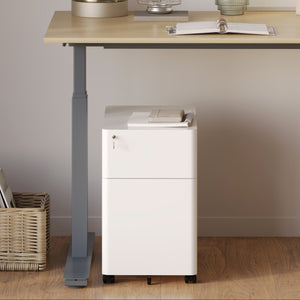






















Filing Cabinet Choices for Cleaner Workstation Planning
Cleaner workstation planning starts with filing storage that matches the desk, document volume, security needs, and daily workflow. Explore how cab...
Learn more
Visit quiz page to see how we makes it easy to create an inspiring workplace


Furniture shapes daily routines more than most people realize. The chairs you sit on, the desks you work at, and the surfaces you interact with every day influence comfort, energy, and focus. Choosing furniture that truly fits your lifestyle is not about matching trends or copying showroom layouts. It is about understanding how you live, work, rest, and move within your space. When furniture supports those habits, life feels smoother and less strained.
Many people rush furniture decisions without considering long-term use. The result is furniture that looks good at first but becomes inconvenient over time. This guide breaks down how to choose furniture that fits real life, not just visual preference. Each section focuses on practical choices that align comfort, function, and personal routines.
Understand How You Actually Live
Lifestyle-based furniture selection starts with honesty. It is easy to imagine an ideal version of daily life, but furniture must support reality. Some households are busy and shared. Others are quiet and task-focused. Some spaces serve multiple purposes throughout the day.
Think about how time is spent in each room. Are meals quick or slow? Is work done in long sessions or short bursts? Does seating need to handle frequent movement? Furniture should match these patterns rather than fight them.
Understanding lifestyle also includes recognizing limits. Space, budget, and maintenance capacity matter. Furniture that fits real habits lasts longer and feels easier to live with.
Work habits vary widely. Some people sit for long hours, while others move between tasks and positions. Furniture should respond to these patterns rather than forcing the body to adapt.
When choosing work furniture, consider:
How many hours are spent seated
Whether tasks require switching positions
The amount of equipment used daily
Furniture that allows flexibility supports focus without discomfort.
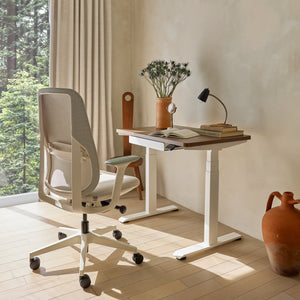
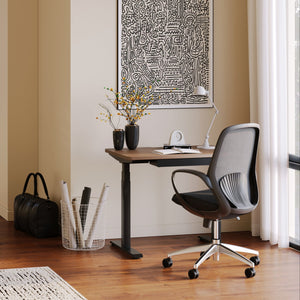
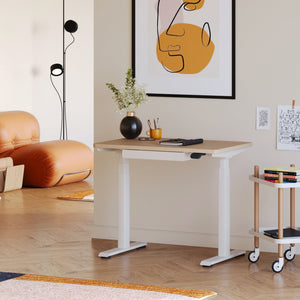
A standing desk supports posture changes throughout the day. This type of setup works well for people who alternate between sitting and standing, helping reduce stiffness during long work sessions.
Work surfaces affect productivity more than appearance. Stability, space, and layout all influence how smoothly tasks are completed.
Effective surfaces offer:
Enough room for tools and devices
Balanced proportions that fit the space
Solid construction that does not shift
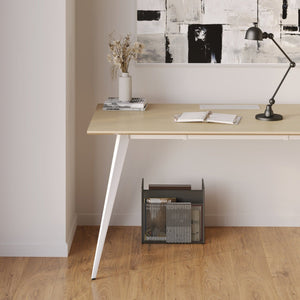
An office desk provides a dependable surface for focused tasks. It works well for structured routines where consistency and stability matter most.
Seating has a direct impact on comfort and energy levels. Chairs that fail to support posture can lead to fatigue that builds gradually. Over time, poor seating affects concentration and physical well-being.
Research on ergonomic chair support emphasizes proper alignment, adjustable height, and back support. These principles apply to both home and office settings, regardless of style preference.
Choosing seating based on how long it will be used each day helps prevent long-term discomfort.
Furniture comfort often depends on details that are easy to overlook. Arm positioning, height alignment, and reach distance all affect how relaxed the body feels.
Good arm support:
Reduces tension in shoulders
Helps maintain natural posture
Improves comfort during focused tasks
Adding ergonomic arm support enhances seating comfort without requiring a full furniture change. This is especially helpful for long work sessions.
Furniture often needs to serve more than one person. Adjustable seating accommodates differences in height, posture, and work style. This flexibility makes shared spaces more functional.
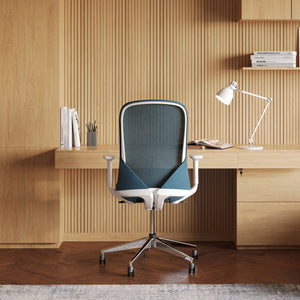
A supportive office chair provides balanced support while adapting to various sitting preferences. Adjustable features help users find positions that feel natural and sustainable.
|
Furniture Type |
Lifestyle Fit |
Key Benefit |
Best Use Case |
|
Work desk |
Structured routine |
Stability |
Daily focused tasks |
|
Adjustable desk |
Active workflow |
Movement |
Long work hours |
|
Office chair |
Shared use |
Comfort |
Extended sitting |
|
Arm support |
Detail upgrade |
Reduced strain |
Task-heavy work |
|
Flexible seating |
Multi-user |
Adaptability |
Shared spaces |
Furniture should fit the way you live, not the other way around. People often underestimate how much daily habits influence furniture needs. For example, a home office desk is only helpful if it complements your workflow, encourages natural movement, and accommodates devices without overcrowding.
Height-adjustable furniture encourages healthy posture and allows you to shift between sitting and standing. A standing desk helps prevent fatigue, reduces stiffness, and promotes focus, especially during long work sessions.
Even small adjustments in furniture layout, such as positioning the desk near natural light or leaving enough walking space, can improve comfort and productivity.
Desks aren’t just work surfaces; they define your interaction with your environment. Selecting the right desk ensures your daily routine is supported efficiently.
Look for:
Adequate surface area for devices, notebooks, and accessories
Adjustable height to allow standing or seated work
Sturdy construction to handle daily wear and tear
Legroom that supports comfort during long sessions
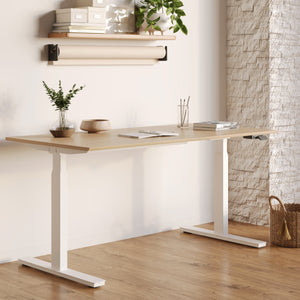
For tight spaces or compact offices, a office desk provides a stable and reliable surface without overwhelming the room. Its simplicity and structure make it easy to integrate into various lifestyles, from minimalistic spaces to busy multi-use rooms.
Comfortable seating is essential for long-term wellness. A poorly designed chair leads to tension in the back, neck, and shoulders over time. Ergonomic features ensure proper alignment and reduce the risk of chronic discomfort.
Adjustable height for proper knee and hip alignment
Lumbar support to maintain natural spine curvature
Breathable materials to prevent heat buildup
Swivel and mobility for easy reach of items without strain
Adding an ergonomic arm improves forearm support and reduces tension in shoulders.
An ergonomic chair complements long sitting periods, adapts to posture changes, and supports overall comfort.
From dedicated offices to multi-use rooms, ergonomic seating fits seamlessly while promoting wellness, even in rooms with high activity.
Home spaces often serve multiple functions. A living area may double as a workspace, a guest room may host study sessions, and common areas must accommodate family activities. Furniture that adapts to these multiple roles reduces clutter and increases usability.
Lightweight or easy-to-move pieces
Compact designs for space efficiency
Neutral tones that integrate with different décor
Durable finishes that withstand frequent use
Combine storage and seating for efficiency
Position desks for natural lighting without blocking traffic flow
Avoid oversized items that make the room feel cramped
For small work zones, a Office Furniture Los Angeles solution like a compact desk ensures usability without compromising space, supporting work, study, or hobbies.
Furniture materials directly affect comfort, maintenance, and durability. Selecting the right material depends on lifestyle factors: humidity, foot traffic, children, pets, and frequency of use.
Solid wood: Durable, timeless, resists daily wear
Engineered wood: Lightweight, affordable, stable in controlled environments
Metal: Strong, easy to clean, modern aesthetic
Laminates: Low maintenance, resistant to stains and moisture
Solid wood with sealant protects against moisture
Metal or laminate surfaces resist spills and scratches
Upholstery with breathable fabrics improves comfort and airflow
A Mini Standing Desk California can fit in tight corners while providing ergonomic benefits for various tasks, making it ideal for active or space-limited homes.
Small additions can make furniture more functional and comfortable:
Desk organizers for keeping surfaces clear
Adjustable lighting for visual comfort
Footrests or stools for posture support
Ergonomic accessories to complement seating
Adding ergonomic arms or seating solutions ensures your furniture setup promotes health and efficiency.
Furniture should remain functional as your lifestyle evolves. Durable materials, modular designs, and ergonomic features reduce the need for frequent replacements. Investing in adaptable pieces saves money and reduces environmental impact over time.
Materials that resist warping or cracking
Neutral designs that remain stylish over years
Adjustable features to accommodate changing needs
Easy-to-clean surfaces for practical upkeep
Before finalizing your purchases, ensure the furniture meets the following:
Fits your daily routines
Supports posture and movement
Adapts to multiple uses or spaces
Offers durability and ease of maintenance
Aligns aesthetically with your home
When furniture fits lifestyle, spaces feel effortless. Each piece supports your habits, improves comfort, and becomes a practical long-term investment rather than a short-term decoration.


You have unlocked free shipping!
You're saving $29 and unlocked free shipping!
Leave a comment