

























How to Pair Executive Conference Tables With Better Chairs
Pairing executive conference tables with better chairs requires more than matching styles. This post explains how to balance table shape, cha...
Learn more
Visit quiz page to see how we makes it easy to create an inspiring workplace


A laptop gives a workspace flexibility, but it also creates one of the most common desk setup problems: the screen, keyboard, and trackpad are locked into one compact device. When the laptop sits flat on the desk, the screen often lands too low for comfortable viewing. When the laptop is lifted to improve screen height, the built-in keyboard rises with it, which can make typing less comfortable. Add a lamp, charger, notebook, phone, mouse, and coffee cup, and the desk can quickly shift from functional to crowded.
A better laptop stand setup solves the workspace as a whole. The screen should support a more natural neck position. The keyboard and mouse should keep the wrists and shoulders relaxed. The desk surface should feel open enough for focused work, writing, reading, calls, and quick resets between tasks.
The strongest setup is not the most complicated one. It is the one where every object has a reason for being there, every tool is easy to reach, and the laptop feels integrated into the desk instead of placed on top of it as an afterthought.
A laptop stand affects more than the screen. Once the laptop is raised, the keyboard, mouse, lamp, cables, chair height, and desk depth all become part of the same ergonomic system. Treating the stand as a single accessory misses the bigger opportunity: turning a portable computer into a more comfortable workstation.
A laptop is designed for mobility, not long-session posture. The screen is attached to the keyboard, so the user usually has to choose between two imperfect positions. Keep the keyboard at a comfortable typing height, and the screen is often too low. Raise the screen closer to eye level, and the built-in keyboard becomes too high for relaxed typing.
That tradeoff often shows up in small discomforts first. The neck bends forward to read the screen. The shoulders round toward the keyboard. The wrists angle upward when typing. The mouse or trackpad may sit too far from the body. Over time, the setup can feel tiring even when the work itself is not physically demanding.
A laptop stand helps separate screen height from hand position. That separation is the foundation of a cleaner, more comfortable desk.
A strong laptop stand setup balances three elements:
Screen height: The laptop display should sit high enough that the neck does not have to drop forward.
Wrist position: The keyboard and mouse should sit low and close enough for relaxed hands, elbows, and shoulders.
Desk flow: The work surface should leave clear paths for typing, mousing, writing, charging, and resetting the space.
When these three elements work together, the desk feels calmer. The setup does not need constant rearranging. The laptop becomes easier to use for focused work, video calls, writing sessions, and everyday browsing.
Screen height is the first thing most people notice when setting up a laptop stand. A flat laptop usually pulls the gaze downward, while an elevated laptop can support a more upright posture. The goal is not to force a rigid position. The goal is to place the screen where the head, neck, and shoulders feel less strained during normal work.
A practical screen-height target is to place the top portion of the laptop screen near the user’s natural line of sight, with the eyes looking slightly downward toward the center of the display. This keeps the head from tilting too far down or too far up.
The easiest way to test this is to sit fully back in the chair, relax the shoulders, and look forward. If the laptop screen causes the chin to drop toward the chest, it is probably too low. If the user has to raise the chin to see the screen, it may be too high.
Good screen height should feel almost uneventful. The user should be able to read, type, and move between tasks without constantly noticing the neck position.
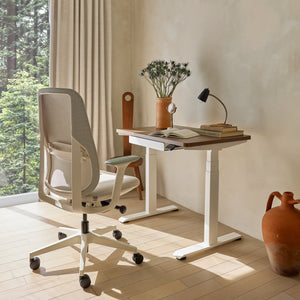
A fixed height can work well for a single user and a consistent desk setup. But many workstations change throughout the day. A person may sit for writing, stand for calls, shift to a different chair, or share the same desk with someone else. In those cases, an adjustable stand for changing laptop height can make the setup easier to tune without rebuilding the entire workstation.
Adjustability is especially useful when the laptop is used for both deep work and video meetings. A screen position that feels right for reading may need a slight angle change for camera framing. A stand that allows controlled height and angle changes gives the user more flexibility while keeping the laptop centered and stable.
A laptop used as the main screen should sit directly in front of the torso. Placing it off to one side can encourage repeated neck rotation, especially during long writing, research, or spreadsheet sessions.
Side placement works better when the laptop is a secondary display beside an external monitor. In that case, the main screen should take the centered position, and the laptop can sit slightly to the side for email, chat, notes, or reference material. The key is to match the screen position to how often the user looks at it.
Raising the laptop screen usually improves viewing posture, but it can create a new issue if the built-in keyboard remains the primary typing surface. A laptop stand setup works best when the hands are treated separately from the screen.
When the laptop is lifted, the keyboard rises with it. Typing on that elevated keyboard can force the wrists to bend upward. It can also pull the elbows away from the torso and make the shoulders work harder than necessary.
This is why a laptop stand is most effective when paired with an external keyboard and mouse. The laptop screen can stay raised, while the keyboard stays lower on the desk surface where the hands can remain more neutral.
The keyboard should sit directly in front of the body, close enough that the elbows can remain near the sides. If the keyboard is too far away, the user may reach forward, round the shoulders, or lean away from the chair back.
The mouse should sit at the same general height as the keyboard and close enough that the shoulder does not have to stretch forward or outward. A comfortable mouse position often matters as much as keyboard placement because small repeated reaches can make a desk feel awkward.
Neutral wrist position does not mean the hands never move. It means the wrists are not held in a sharply bent position for long periods. The hands should move lightly across the keyboard and mouse without pressing hard into the desk edge.
A desk edge can create pressure if the wrists are planted there while typing. It may feel supportive at first, but it can become uncomfortable during longer work sessions. A better approach is to keep the keyboard close, relax the shoulders, and let the hands move naturally.
A laptop trackpad is convenient for short browsing or quick edits. Once the laptop is elevated, however, reaching up to use the built-in trackpad can interrupt the ergonomic benefit of the stand. A separate mouse keeps the pointing device in the same comfortable zone as the keyboard.
A laptop stand setup can only work as well as the surface supporting it. Desk depth, object placement, and clear movement zones determine whether the setup feels open or cramped.
A desk that is too shallow may force the laptop screen too close to the eyes or leave little room for a keyboard and mouse. A desk that is cluttered can create the same problem, even if the surface is technically large enough.
The laptop should sit far enough back that the user can view the screen comfortably without leaning away. The keyboard should remain close enough for relaxed typing. The mouse should have room to move without bumping into notebooks, cups, lamps, or cables.
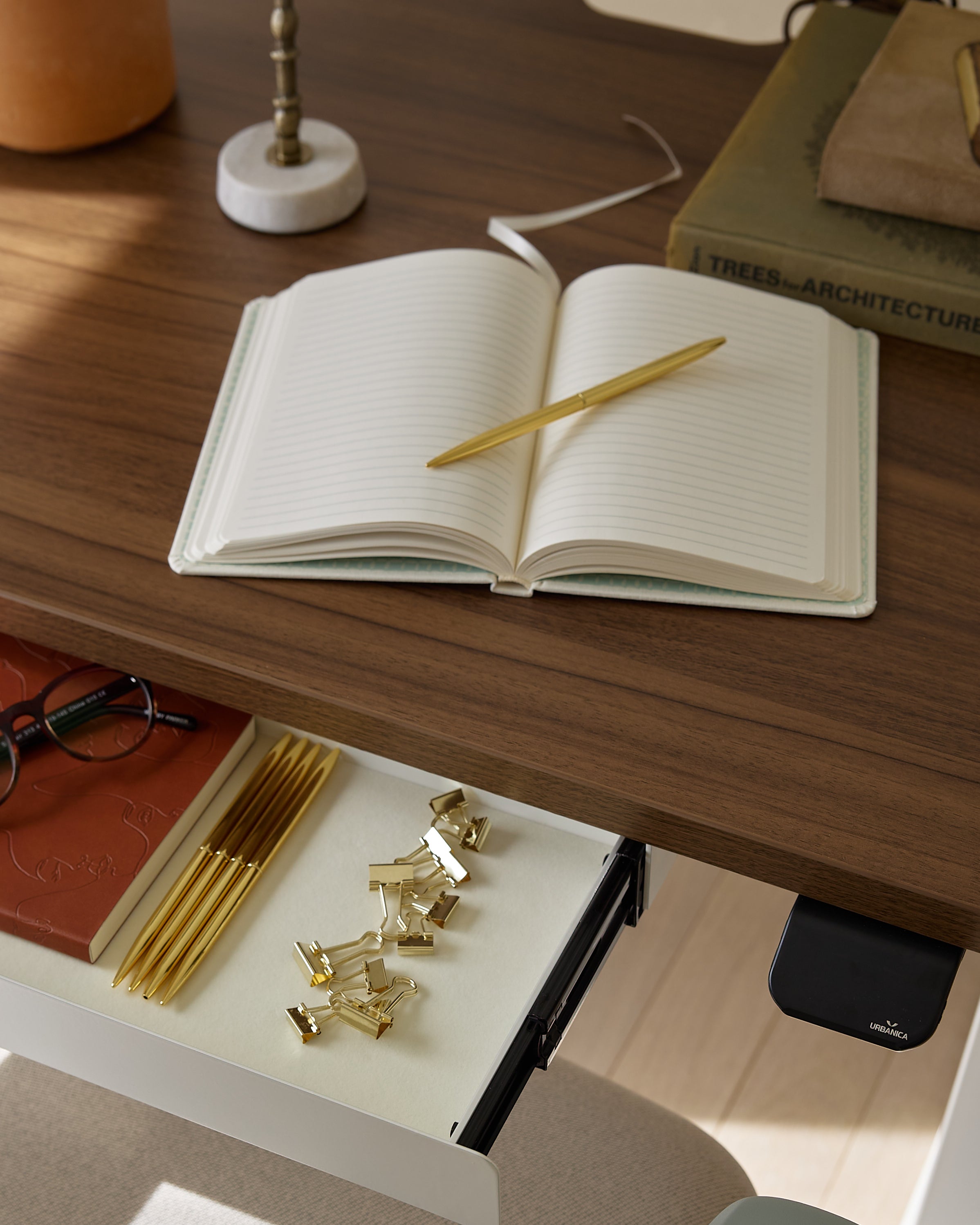
A desk surface with room for work essentials supports the full setup, not just the laptop. Screen distance, keyboard position, lighting, writing space, and storage all compete for the same surface area, so the desk should match the way the user actually works.
A clean laptop stand setup becomes easier when the desk is divided into functional zones.
| Desk Zone | What Belongs There | Why It Matters |
|---|---|---|
| Primary focus zone | Laptop stand, keyboard, mouse | Keeps the screen and hands aligned with the body |
| Active reach zone | Notebook, phone, pen, water | Keeps daily tools nearby without crowding movement |
| Background storage zone | Chargers, folders, less-used accessories | Keeps the desk useful without interrupting work |
This model prevents every object from competing for the same central space. The center should support the body and primary work. The sides can support tools that are helpful but not constantly used.
The mouse needs a predictable movement area. When papers, cables, mugs, or decorative objects invade that lane, the user adjusts without thinking. Those small adjustments can make the setup feel less smooth.
A clear mouse lane is especially important for design work, spreadsheets, editing, and any task that requires frequent cursor movement. The desk does not need to look empty. It simply needs to protect the zones that support repeated movement.
A laptop stand can be especially useful in small spaces because it adds vertical organization. Instead of spreading every tool across the desk, the laptop gains a defined position and leaves more surface area available for the hands.
Small desks, apartment workstations, bedroom corners, and shared dining tables often do not have room for a large monitor setup. A laptop stand helps create a more intentional arrangement by lifting the screen and reducing the flat footprint of the laptop.
This can make room for a compact keyboard, mouse, notebook, or small lamp. The setup feels less like a laptop dropped onto a table and more like a dedicated workstation.
A compact desk benefits from accessories that do not dominate the surface. A lightweight laptop stand for compact desks fits naturally into smaller setups where the goal is to raise the screen while preserving space for typing, writing, and everyday movement.
A slimmer stand can also make the desk easier to reset at the end of the day. That matters in spaces where the workstation is not always a workstation, such as a living room table, studio corner, or multi-use bedroom desk.
On a narrow desk, the laptop should usually sit centered and slightly toward the back. The keyboard sits in front. The mouse stays on the dominant-hand side with enough room to move. A notebook or planner can sit on the opposite side, but only if it does not crowd the keyboard.
Lighting should stay outside the main hand zone. A lamp placed too close to the keyboard can make the desk look styled but feel inconvenient. The best small-desk setup leaves the center open and pushes supporting objects to the edges.
Different laptop stand setups solve different problems. The right option depends on the user’s desk size, work habits, screen needs, and how often the setup changes.
| Setup Type | Best Fit | Main Strength | Limitation to Watch |
|---|---|---|---|
| Fixed-height stand | Simple daily workstation | Easy to place and repeat | May not fit every chair or user height |
| Slim stand | Small desks and flexible spaces | Lower visual bulk and easier reset | Less height flexibility |
| Adjustable stand | Shared desks or changing work modes | More control over screen position | Requires careful tuning |
| Laptop with external monitor | Long multitasking sessions | More screen area for complex work | Needs more desk depth and cable planning |
No setup type is universally best. A person who writes for long stretches may need a simple laptop stand, external keyboard, and clear desk surface. Someone who works across spreadsheets, design tools, and research windows may eventually prefer an external monitor. A shared workstation may need more adjustable components.
A taller laptop stand will not fix a keyboard that is too far away. A larger desk will not help if the center zone is crowded with objects. A beautiful lamp will not support the setup if it creates glare on the screen.
The best laptop stand setup starts with the actual issue. If the neck feels strained, look at screen height and distance. If the wrists feel awkward, look at keyboard and mouse placement. If the desk feels chaotic, look at zones, cables, and object placement.
Lighting has a direct effect on laptop comfort. Poorly placed light can create glare, harsh contrast, or reflections on the screen. Well-placed light makes the workstation feel easier on the eyes and more visually balanced.
A desk lamp should illuminate the work area without shining into the user’s eyes or bouncing off the laptop display. Side placement usually works better than placing a lamp directly behind or directly in front of the screen.
For writing by hand, reading printed notes, or reviewing documents, the lamp should point toward the paper or desk surface. For screen-focused work, the light should soften the surrounding area without overpowering the display.
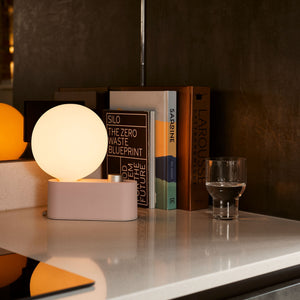
A laptop workstation often changes from task to task. It may support morning email, afternoon focus work, evening reading, or video calls. A multi-use LED table and wall light can suit workspaces where one lighting piece may need to support both desk use and room placement.
The purpose of lighting is not only visibility. It also shapes how clear and calm the desk feels. A lamp that fits the space helps the workstation feel intentional instead of assembled from unrelated parts.
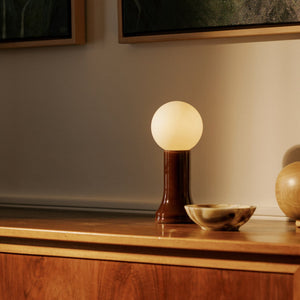
Working from a bright laptop screen in a dark room can feel visually harsh. Ambient lighting helps soften the contrast between the screen and the surrounding space. A recycled glass table lamp can sit outside the main keyboard and mouse zone while adding gentle room light around the workstation.
The placement matters. Ambient light should not crowd the laptop stand or compete with the mouse lane. It works best when it supports the room around the desk while leaving the primary work zone clean.
Cable management is often treated as a visual issue, but it is also a movement issue. A cable crossing the mouse lane, keyboard area, or writing space interrupts the desk’s natural flow.
Choose one side of the desk for charging whenever possible. The laptop charger, phone cable, headphones, and other small powered tools can share that side instead of spreading across the surface.
This creates a predictable path. The user knows where power enters the setup, where cables belong, and where they should not go. A single charging side also makes the desk easier to clear at the end of the workday.
Useful accessories should make the workstation easier to use, not busier. Elevation, lighting, storage, power access, and organization each serve a different role. Well-chosen accessories that organize the workstation can help keep those roles clear when the desk has to support focused work, calls, reading, and daily resets.
The key is restraint. A desk does not improve just because more accessories are added. It improves when every object supports a specific part of the workflow.
A simple reset keeps the laptop stand setup working day after day:
1. Return the laptop to the stand and center it with the chair.
2. Place the keyboard directly in front of the body.
3. Move the mouse into a clear side lane.
4. Route chargers back to the chosen charging side.
5. Remove cups, loose papers, and items that do not support the next work session.
This routine protects the setup from slow clutter. It also makes the next session easier to begin because the desk is already aligned for screen height, wrist position, and movement.
A laptop stand setup should work with the room, not fight it. Natural light, outlets, chair clearance, wall placement, and storage all affect how the desk feels.
Many home workstations are built into living rooms, bedrooms, alcoves, or shared spaces. The desk may need to look clean after work, fit near an outlet, avoid window glare, or stay camera-ready for calls.
A laptop stand helps because it gives the computer a defined place. But the rest of the setup still needs room-aware planning. The chair should pull out easily. The lamp should not block movement. The screen should not face glare from a window. The charger should reach without cutting across the work zone.
A workspace can be ergonomic without looking technical or cluttered. For compact homes, hybrid schedules, and design-conscious rooms, workspace furniture built for city living can help connect the practical needs of a laptop station with furniture scale, room flow, and everyday use.
The goal is a desk that feels ready without feeling crowded. A laptop stand, keyboard, mouse, lighting, and a few essential tools can create a complete workstation when each piece fits the room and supports the work.
Laptop height affects camera angle as well as screen comfort. A screen that is too low can make the camera look upward from the desk. A screen that is too high can feel awkward for reading. The best position usually balances natural viewing with a camera angle that feels level and composed.
For calls, the laptop should remain stable, centered, and supported by lighting that does not wash out the face or reflect in the screen. The background does not need to be overly styled. It should simply feel calm and uncluttered.
A laptop stand can improve a workstation quickly, but only when the rest of the setup supports it. Most problems come from solving one issue while ignoring the others.
This is the most common mistake. Raising the laptop improves screen height, but typing on the raised keyboard can create wrist and shoulder discomfort. For longer sessions, the external keyboard and mouse are what allow the laptop stand to do its job properly.
If the laptop is the primary display, it should be centered. A side-positioned main screen can create subtle twisting through the neck and torso. Side placement is better reserved for secondary screens or occasional reference use.
Higher is not always better. A screen that forces the chin upward can create a different kind of strain. The eyes should be able to move naturally across the display without the head tilting back.
A laptop stand cannot compensate for every chair and desk mismatch. If the chair is too low, the keyboard may feel too high. If the feet do not feel supported, posture can shift forward. The laptop stand, chair, and desk should be adjusted together so the body feels supported from the floor up.
Decor can make a workspace feel personal, but it should not interrupt typing, mousing, or screen viewing. The center of the desk should remain functional. Decorative pieces belong in the background zone or room setting, not in the main movement path.
A good setup is easier to build when the adjustments happen in the right order. Start with the body, then the screen, then the hands, then the surrounding desk flow.
1. Sit fully back in the chair with feet supported.
2. Center the laptop stand with the torso.
3. Raise the laptop until the screen sits near a natural eye line.
4. Place an external keyboard directly in front of the body.
5. Position the mouse close to the keyboard on the dominant-hand side.
6. Move the laptop back until the screen distance feels comfortable.
7. Place task lighting to the side, angled away from glare.
8. Route the laptop charger toward one chosen charging side.
9. Clear the mouse lane and writing area.
10. Work for a short focused session before making additional changes.
This sequence prevents the setup from becoming guesswork. It also avoids the common problem of adjusting too many things at once.
If the neck feels strained, change screen height or distance first. If the wrists feel awkward, adjust keyboard and mouse placement. If the desk feels crowded, remove objects from the primary focus zone before buying or adding anything new.
Changing one variable at a time makes it easier to understand what actually improves comfort. A laptop setup should become simpler through adjustment, not more complicated.
A setup can feel fine for the first two minutes and uncomfortable after sustained typing. After a focused work period, check four areas: neck, shoulders, wrists, and eyes. If one area feels off, adjust the related part of the setup rather than rebuilding the entire desk.
The most effective laptop stand setup does not call attention to itself. The screen sits where the neck feels more neutral. The keyboard and mouse support relaxed hand movement. The desk has enough open space for writing, reaching, charging, and resetting. Lighting supports the screen instead of fighting it. Cables follow predictable paths instead of cutting through the work area.
A laptop may be portable, but the desk around it can still feel stable and intentional. When screen height, wrist position, and desk flow are planned together, the workstation becomes easier to use every day. The result is not a desk filled with more objects. It is a desk where the right objects are placed with purpose, giving the laptop a better role in a more comfortable workspace.


You have unlocked free shipping!
You're saving $29 and unlocked free shipping!
Leave a comment