




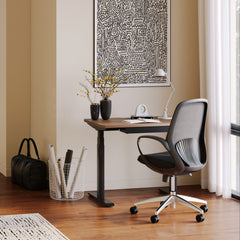
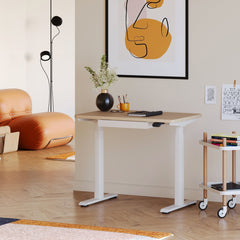


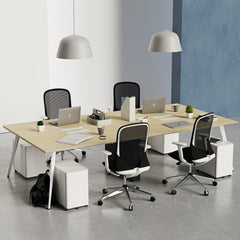
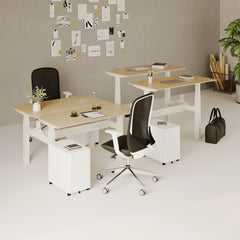


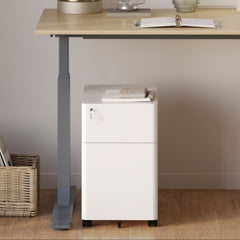


Filing Cabinet Choices for Cleaner Workstation Planning
Cleaner workstation planning starts with filing storage that matches the desk, document volume, security needs, and daily workflow. Explore how cab...
Learn more
Visit quiz page to see how we makes it easy to create an inspiring workplace


Most people think of furniture as background. It sits quietly in a room, holding laptops, supporting posture, and filling empty corners. Yet furniture plays a powerful role in shaping daily routines. The height of your desk affects how long you focus. The comfort of your chair influences your mood. The placement of your monitor changes how often you move.
When your furniture aligns with your needs, your day flows smoothly. When it does not, small frustrations build. Over time, those small disruptions impact productivity, comfort, and even long-term health. Thoughtful furniture choices are not about appearance alone. They shape how you live and work every day.
The way a room is arranged influences your behavior without you realizing it. A cluttered desk can encourage distraction. A rigid chair may lead to constant shifting. A poorly placed workstation can interrupt workflow.
Choosing adaptable solutions such as Office Furniture Los Angeles allows you to design around your real routine instead of adjusting your habits to fit the furniture. When your desk supports movement and your chair supports posture, you spend less energy compensating for discomfort.
Consider how often you:
Adjust your posture during the day
Move between tasks
Reach for equipment
Shift your chair for comfort
Furniture influences each of these actions. Small design details have daily consequences.
Your desk anchors your workday. Its size, structure, and layout affect how efficiently you complete tasks.
A well-designed office desk should provide enough space for essential tools without overwhelming the room.
Spacious yet efficient surface
Stable construction
Durable finish
Clean design that reduces visual clutter
Keep frequently used items within reach
Store rarely used items out of sight
Position the desk to minimize glare
Leave clear space for writing or planning
When your desk feels organized and balanced, your tasks feel manageable rather than overwhelming.
Long periods of sitting affect energy and concentration. Furniture that encourages movement supports better daily rhythms.
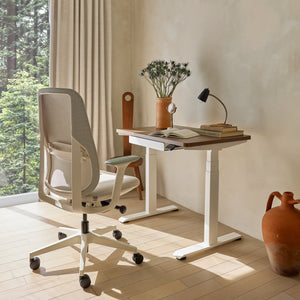
A thoughtfully engineered standing desk makes it easier to alternate between sitting and standing.
Reduced fatigue
Improved circulation
Increased alertness
Greater flexibility
Switch positions every hour
Maintain proper screen height
Keep transitions smooth
Avoid clutter that blocks adjustments
When movement becomes part of your routine, productivity improves naturally.
Daily routines repeat thousands of times each year. Even small ergonomic misalignments add up. Research such as this ergonomic evaluation study emphasizes how proper workstation setup reduces strain and supports long-term health.
Furniture should support your body, not force it into awkward positions. The alignment of your screen, keyboard, and seating affects comfort more than most people realize.
Ergonomic awareness is not complicated. It begins with choosing adjustable, supportive furniture and placing it intentionally.
Your chair may influence your mood more than you expect.
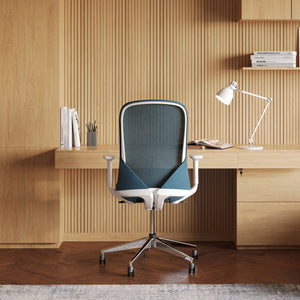
A high-quality ergonomic chair provides adjustable support for various tasks.
Frequent shifting
Lower back discomfort
Tension in shoulders
Reduced concentration
Adjust lumbar support properly
Keep feet flat on the floor
Align hips and knees
Avoid leaning forward excessively
When seating feels stable and comfortable, your focus improves.
Monitor positioning influences posture, eye strain, and desk organization. Using an adjustable ergonomic arm elevates screens and clears surface space.
Benefits include:
Better viewing angles
More writing space
Improved cable organization
Easier repositioning
A well-positioned monitor reduces small interruptions that accumulate throughout the day.
|
Furniture Choice |
Routine Impact |
Long-Term Effect |
|
Stable Desk |
Fewer distractions |
Improved productivity |
|
Adjustable Desk |
Encourages movement |
Increased energy |
|
Supportive Chair |
Reduces discomfort |
Better posture |
|
Elevated Monitor |
Clear workspace |
Less neck strain |
|
Organized Layout |
Mental clarity |
Consistent focus |
Each choice influences how your day unfolds.
The arrangement of furniture affects how smoothly you move between tasks.
A well-planned workspace minimizes unnecessary movement.
Keep primary tools close
Avoid placing desks in high-traffic areas
Maintain clear walking paths
Balance lighting sources
Limit decorative clutter
Organize cables
Keep surfaces clean
Adjust placement seasonally
Small layout changes reduce daily friction.
Furniture also shapes emotional responses. A cramped, cluttered space may create stress. A balanced and organized setup promotes calm.
Your daily routine includes both tasks and emotions. When your environment feels supportive, motivation increases. When it feels chaotic, frustration rises.
Investing in thoughtful furniture design supports not only productivity but also peace of mind.
Furniture is not passive. It influences your posture, movement, focus, and energy every single day.
Use this checklist to evaluate your current setup:
Is your desk spacious and organized?
Does your chair support proper posture?
Can you alternate between sitting and standing?
Is your monitor positioned at eye level?
Are frequently used items within easy reach?
Does your layout minimize distractions?
Is lighting balanced and comfortable?
Do you feel energized or fatigued at your desk?
Can your setup adapt to new needs?
Does your furniture support your long-term health?
When you design your space intentionally, you design your routine. The right furniture transforms everyday tasks into smoother, more efficient experiences. Over time, those improvements add up, shaping better workdays and healthier habits.
Furniture does not just influence isolated work hours. It quietly supports your routine from the moment you begin your day until you shut down your devices at night.
The way your workspace greets you in the morning sets the tone for everything that follows.
A clean desk reduces hesitation before starting tasks
Proper chair alignment prevents early discomfort
Adjustable height options help wake up your body
Organized surfaces create mental clarity
When your setup is ready and supportive, you transition into productivity faster.
Alternating between sitting and standing maintains stamina
Clear monitor placement reduces eye strain
Accessible tools prevent unnecessary movement
Comfortable seating supports extended focus
A well-designed workspace does not drain you by mid-afternoon. Instead, it supports steady energy throughout the day.
From morning emails to evening planning sessions, your furniture influences how smoothly each hour unfolds. When every piece is positioned intentionally, your routine feels structured rather than scattered.


You have unlocked free shipping!
You're saving $29 and unlocked free shipping!
Leave a comment