




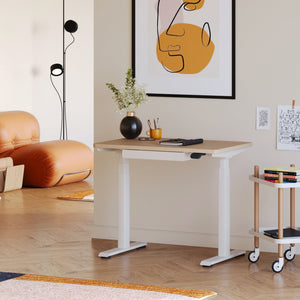
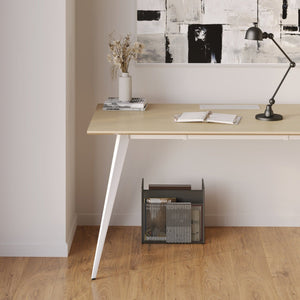
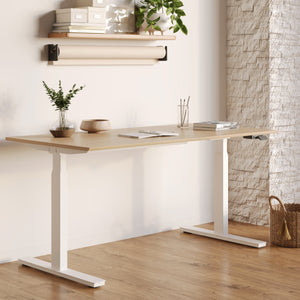
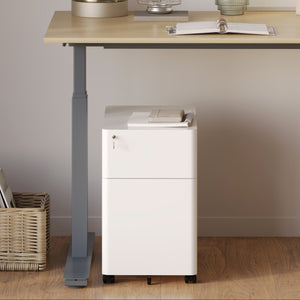






















Filing Cabinet Choices for Cleaner Workstation Planning
Cleaner workstation planning starts with filing storage that matches the desk, document volume, security needs, and daily workflow. Explore how cab...
Learn more
Visit quiz page to see how we makes it easy to create an inspiring workplace


Most people blame long hours for their back pain. They blame stress, aging, or lack of stretching. What often goes unnoticed is the furniture beneath them. The chair that does not support the lower back. The desk that forces shoulders to rise. The monitor is placed too low or too high.
Poor furniture does not cause dramatic injury overnight. It works quietly. Small misalignments compound over time. Muscles tighten. Shoulders round forward. The spine adapts to unhealthy positions.
Understanding how furniture impacts posture is the first step toward preventing long-term discomfort. The second step is choosing ergonomic solutions that support the body instead of working against it.
A chair is more than a place to sit. It shapes spinal alignment for hours each day. When lumbar support is missing, the lower back collapses. When seat depth is incorrect, circulation suffers. When armrests are fixed too high or low, shoulders compensate.
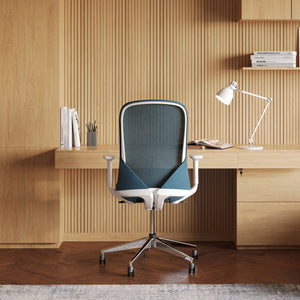
Choosing a properly designed Ergonomic Office Chair Los Angeles option ensures that posture support is not an afterthought. Adjustable lumbar, seat height, and tilt control allow the spine to maintain its natural curve.
Poor seating often leads to:
Rounded shoulders
Forward head posture
Lower back strain
Tight hip flexors
Over time, these small adjustments become habits. Habits become discomfort.
A desk that is too high forces shoulders upward. A desk that is too low causes slouching. Proper desk height allows elbows to rest at approximately 90 degrees while shoulders remain relaxed.
Signs your desk may be incorrect:
Wrists bending upward while typing
Neck tilting downward constantly
Forearms unsupported
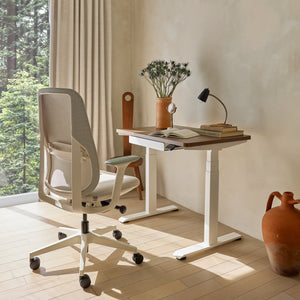
Alternating between sitting and standing reduces pressure on the spine. A height-adjustable standing desk allows users to shift posture throughout the day, preventing stiffness and muscle fatigue.
Benefits include:
Improved circulation
Reduced spinal compression
Increased energy
A solid work surface prevents unnecessary shifting. A structured office desk with proper depth ensures monitors and keyboards remain positioned correctly.
Desk stability plays a direct role in maintaining alignment.
The natural spine has curves. When a chair fails to support the lower back, those curves flatten.
Guidelines from ergonomic chairs emphasize adjustable lumbar support as a core feature of healthy seating.
Static posture is one of the leading causes of workplace discomfort.
Look for:
Adjustable seat height
Recline functionality
Flexible armrests
Breathable back support
Seat depth should allow two to three inches between the back of the knees and the chair edge. This reduces pressure on the legs and supports circulation.
Ergonomics is not a luxury. It is preventive care.
Even with the perfect chair and desk, incorrect monitor placement can undo alignment. When screens sit too low, the head tilts forward. This increases strain on the cervical spine.
An elevated screen reduces forward head posture and encourages upright sitting.
Small adjustments create significant long-term impact.
An adjustable monitor arm helps position the screen at eye level, minimizing neck strain.
Benefits include:
Cleaner desk surface
Reduced forward leaning
Improved visual alignment
If peripherals are too far away, shoulders round forward.
Maintain:
Neutral wrist position
Relaxed elbows
Straight spine
Clutter forces awkward body positions. Keep cables organized to avoid twisting and leaning.
A clean workspace promotes better posture naturally.
Sitting should not feel exhausting. A well-designed chair supports the body so muscles do not overcompensate.
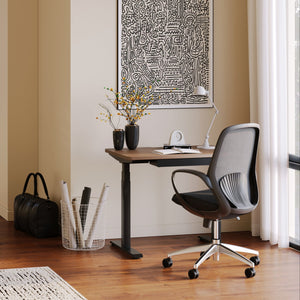
A supportive ergonomic office chair provides structured lumbar support, breathable material, and adjustable features that reduce daily strain.
When seating works with the body:
Focus improves
Fatigue decreases
Discomfort is minimized
Comfort directly influences productivity.
|
Posture Issue |
Furniture Cause |
Long-Term Impact |
|
Rounded shoulders |
No lumbar support |
Upper back tension |
|
Forward head posture |
Low monitor placement |
Neck strain |
|
Lower back pain |
Fixed seat height |
Chronic discomfort |
|
Wrist pain |
Incorrect desk height |
Repetitive strain injury |
|
Hip tightness |
Poor seat depth |
Limited mobility |
This table highlights how furniture decisions influence physical health.
Choose adjustable lumbar support and proper seat depth.
Elbows at 90 degrees
Wrists neutral
Shoulders relaxed
Top of monitor at eye level
Screen about arm’s length away
No constant neck tilting
These small changes reduce cumulative stress on the body.
Ignoring poor furniture may seem harmless at first. However, prolonged strain can lead to chronic back pain, tension headaches, and reduced productivity.
Over time:
Muscles compensate
Posture becomes habitual
Recovery takes longer
Investing in ergonomic solutions now prevents more serious complications later.
Your spine supports you every day. Your furniture should do the same.
The human body is adaptable. Unfortunately, that adaptability can work against you. When furniture lacks ergonomic structure, your body compensates. Over time, those compensations become your default posture.
If a chair lacks lumbar support:
The pelvis tilts backward
The spine rounds
The neck pushes forward
If a desk is too shallow:
The screen moves closer
Shoulders roll inward
Wrists bend unnaturally
Your muscles memorize these positions.
You may not feel pain immediately. Instead, you feel subtle tightness at the end of the day. That tightness compounds over weeks and months.
Common signs include:
Mild headaches
Shoulder stiffness
Tingling in wrists
Lower back fatigue
These are early warnings that furniture is not supporting your posture.
Correct ergonomic alignment retrains the body.
Sit upright with lumbar support engaged
Keep shoulders relaxed
Align ears over shoulders
Keep feet flat
Consistency matters. The longer you maintain proper alignment, the more your body adapts to healthy posture instead of strain.
Sometimes discomfort feels normal because it develops gradually. Take a step back and examine your workspace.
Ask:
Is my monitor centered?
Are my shoulders raised while typing?
Do I lean forward to see the screen?
Awareness is the first correction.
You do not need a full redesign overnight. Small changes create meaningful improvement.
Start with:
Adjusting chair height
Raising the monitor
Centering the keyboard
Clearing unnecessary desk items
Each change reduces strain.
Many people invest in treatment only after pain becomes severe. Physical therapy, massages, and medications help, but prevention is more powerful.
Ergonomic furniture is proactive support. It reduces the need for corrective care later.
Long-term health is built on daily habits. Furniture shapes those habits more than most people realize.
Before continuing another workday in discomfort, review this checklist.
Ensure lumbar support aligns with lower back
Adjust seat height so feet rest flat
Position desk to keep elbows at 90 degrees
Elevate monitor to eye level
Keep wrists straight while typing
Avoid leaning forward
Alternate between sitting and standing
Keep desk surface uncluttered
Choose breathable seating materials
Reassess posture throughout the day
Poor furniture quietly reshapes posture over time. The good news is that the solution is equally quiet. Small adjustments. Proper ergonomic support. Thoughtful workspace setup.
Your spine deserves intention, not compromise.


You have unlocked free shipping!
You're saving $29 and unlocked free shipping!
Leave a comment