



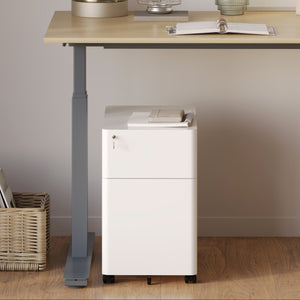






















Filing Cabinet Choices for Cleaner Workstation Planning
Cleaner workstation planning starts with filing storage that matches the desk, document volume, security needs, and daily workflow. Explore how cab...
Learn more
Visit quiz page to see how we makes it easy to create an inspiring workplace


Your workspace is not merely a collection of surfaces and objects; it is a meticulously calibrated environment that speaks directly to your subconscious mind. Every piece of furniture, every choice of material, and every item placement is a form of communication that either supports or sabotages your mental clarity and motivation. When your physical surroundings are chaotic, uncomfortable, or visually harsh, your brain expends energy processing that environmental friction, leaving fewer resources for deep work and problem-solving.
This understanding is the core of human-centered design. Furniture is a psychological tool. By intentionally curating the foundational pieces—your desk and your chair—you can build an "unseen architecture" that promotes a flow state, reduces stress, and transforms your desire to work into effortless action. This guide details the critical ways furniture design functions as the ultimate catalyst for high-level mental performance.
The relationship between your body and your furniture creates a continuous feedback loop. If your chair forces poor posture, your body sends signals of discomfort, which the mind translates into distraction and decreased motivation. Conversely, when your furniture proactively supports your health, your mind is free to commit fully to the task at hand.
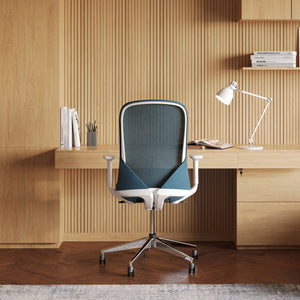
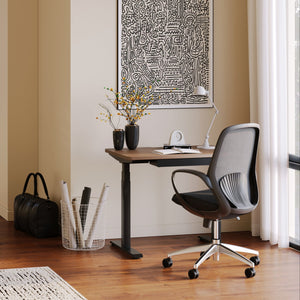
The foundation of this supportive loop is the chair—the single piece that bears the most responsibility for long-term health. A truly responsive chair, such as a high-quality ergonomic seating solution, adapts to your movements, eliminating physical barriers to concentration.
Visual clutter is one of the most potent environmental disruptors of mental clarity. Furniture design, particularly the inclusion of smart storage, plays a crucial role in eliminating this psychological burden.
When surfaces are cluttered with papers, wires, and miscellaneous objects, the subconscious mind is constantly scanning, prioritizing, and ignoring stimuli. This low-level processing is a hidden energy drain.
Immediate Storage: Small drawers or trays built directly into the desk.
Closed Storage: Cabinets or filing units that completely conceal their contents.
Vertical Storage: Shelving that uses height efficiently, keeping the floor and desk clear.
The colors, textures, and lines of your furniture fundamentally affect the mood and tone of your workspace. Sharp angles and high contrast can feel aggressive or analytical, while soft lines and muted colors promote calm.
Modern design, with its emphasis on clean lines and negative space, is inherently tied to mental clarity. This intentional reduction of complexity helps the mind find a restful, focused state.
As confirmed by principles guiding minimalist interior design, simplifying the environment is key to simplifying and improving cognitive function.

Physical discomfort is the number one cause of distraction. A poorly chosen chair or a static desk forces the body into positions that cause stiffness and pain, demanding the brain's attention.
When you are constantly shifting, stretching, or thinking about an ache in your neck or back, those thoughts consume resources that should be dedicated to creativity or analysis.
Eliminates Pain Signals: Proper support stops physical pain before it starts.
Sustains Comfort: Allows the body to maintain a neutral, relaxed position for hours.
Encourages Movement: Dynamic furniture prompts necessary physical changes, refreshing the mind and body.
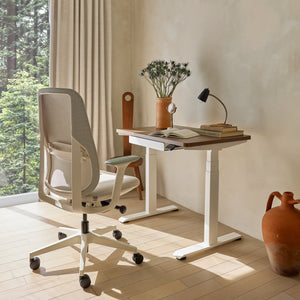
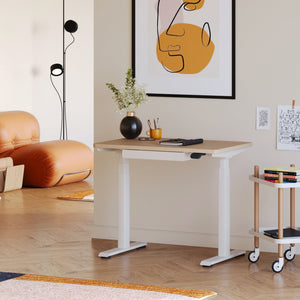
The modern shift to the height-adjustable desk is a direct response to the need for sustained mental energy. The ability to transition between sitting and standing is a physiological and psychological reset button.
When you change from sitting to standing, blood flow increases, posture improves, and your level of alertness rises. This physical change is a subtle but powerful tool for breaking through mental blocks and refreshing concentration.
Investing in a seamless dynamic standing desk is an investment in continuous energy, ensuring your attention doesn't waver mid-task.
The size and scale of your furniture in relation to the room and your body profoundly affect your psychological well-being in the space. Overly large pieces can feel oppressive; undersized pieces can feel unstable.
The furniture must create a sense of harmony. The desk should provide ample working surface without overwhelming the room's footprint. The chair should feel substantial and supportive without being bulky.
Even for specific regional markets, finding the perfectly proportioned, professional-grade seating is crucial. A dedicated California Office Chair, for instance, must meet both high ergonomic standards and demanding aesthetic needs.
A solid, aesthetically pleasing desk surface anchors the workspace and signals to the brain that this area is dedicated to serious, focused effort. The choice of the surface is an emotional one.
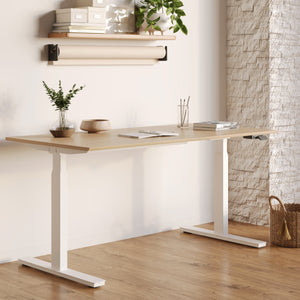
A substantial, well-finished surface, such as a quality classic office desk, provides a psychological anchor. Its weight and presence convey stability, which translates to a feeling of control and reliability during demanding tasks.
In collaborative environments, furniture design affects motivation by dictating personal space and minimizing cross-distraction. If boundaries are unclear, frustration and reduced focus result.
Furniture can be used to create intentional boundaries in shared spaces. This psychological separation is necessary to allow multiple individuals to enter a state of deep focus simultaneously.
A unified piece like a Two Person Shared Desk uses structural design to maintain distinct, organized zones for each user, ensuring that one person's work doesn't visually or physically impede the other's focus.
Modern furniture design treats organizational needs as part of its core function, not an afterthought. Built-in cable management and intuitive drawer systems directly reduce the visual noise that kills motivation.
A motivated mind needs a frictionless path to starting and continuing work. When supplies are easy to access, and the work area is always clear, the barrier to beginning a complex task is lowered significantly.
Integrated Organization Enumeration:
Hidden Wires: Built-in channels to route power and data cords.
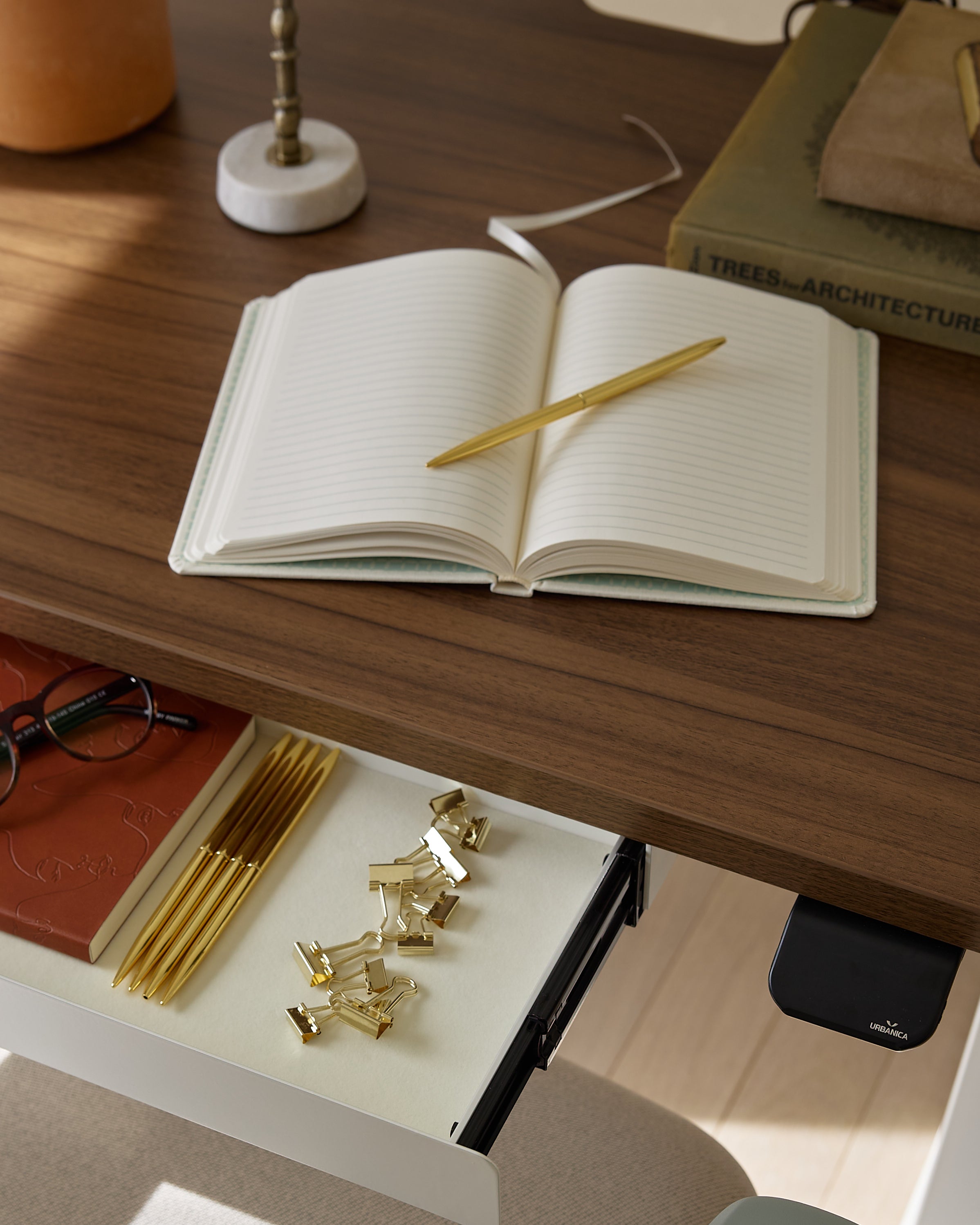
Intuitive Drawers: Organized internal compartments for pens, tools, and office supplies.
Dedicated Power Access: Grommets for easy connection of devices without reaching under the desk.
For businesses and professionals who anticipate growth or changes in their workspace needs, furniture that scales or reconfigures easily is a major stress reliever. The ability to adapt reduces future environmental uncertainty.
Knowing your foundational furniture can evolve with your life or business reduces the anxiety associated with long-term planning.
Modular systems, such as a multi-user quad system, are designed for this adaptability, allowing for expansion or reduction without sacrificing the unified, clean aesthetic that supports mental calm.

The architecture of your workspace is the architecture of your mind. By selecting furniture that consciously integrates ergonomic support, minimal aesthetics, and functional organization, you are making a profound investment in your cognitive resources. These pieces are not expenses; they are highly effective tools that protect your physical well-being, eliminate distraction, and foster the deep, sustained motivation required to achieve your most ambitious goals. Choose furniture that empowers your focus, and you choose to elevate the quality of your work life.


You have unlocked free shipping!
You're saving $29 and unlocked free shipping!
Leave a comment