























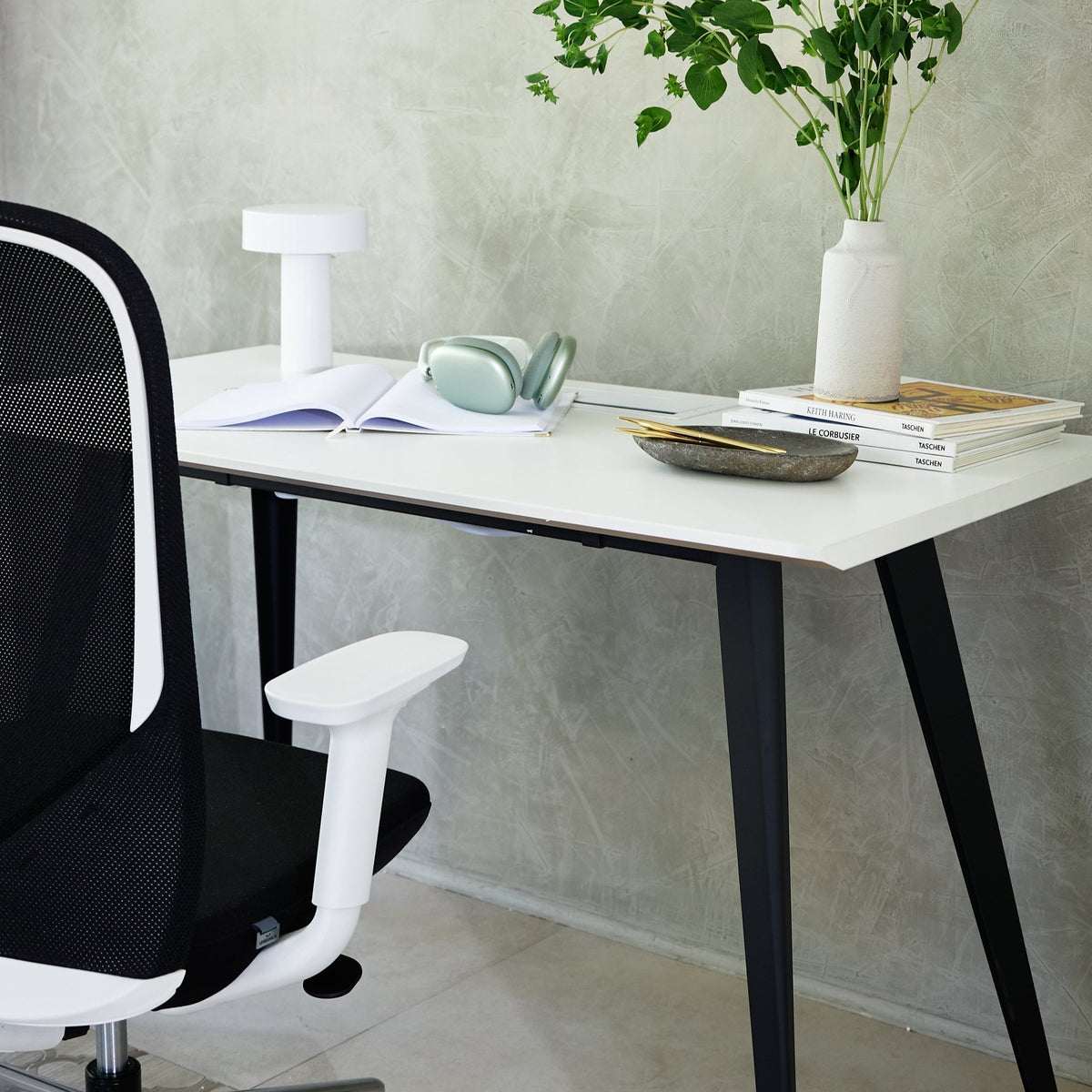
How Your Desk Furniture Fights Stress and Boosts Focus

In the age of constant connectivity, our workspaces are no longer just places to hold a computer; they are nerve centers where stress can accumulate, creativity can flourish, or focus can crumble. We often separate physical ergonomics (how a chair supports your back) from mental wellness, but the two are profoundly linked. The furniture surrounding you acts as a silent partner, influencing everything from your anxiety levels to your ability to concentrate.
A mindful workspace is one intentionally designed to reduce friction and support your cognitive processes. It's about more than just aesthetics; it's about making deliberate choices to create an environment that encourages calm, clarity, and sustained focus.
This guide explores ten key ways your furniture impacts your mental health and offers practical, actionable advice on how to transform your current setup into a haven for mental wellness.
1. The Clarity of Minimalism and Organization
Mental clutter often mirrors physical clutter. A desk overflowing with papers, old mugs, and unused gadgets creates a visual noise that taxes your brain, making it harder to initiate tasks and sustain focus.
Fighting Clutter Fatigue
-
Clear Surfaces: Keep only the items you need for the task at hand on your desktop.
-
Closed Storage: Utilize drawers and cabinets to hide visual chaos.
-
Defined Zones: Designate specific areas for work, supplies, and personal items.
The movement towards decluttering and simplifying our surroundings has been a cornerstone of modern design for decades, as this insight on the rise of minimalism explains, proving its enduring psychological benefits.
2. The Link Between Movement and Mood
Static posture is mentally draining. When you sit still for hours, your circulation slows, depriving your brain of the oxygen it needs to maintain peak cognitive function. This stagnation often contributes to feelings of fatigue, restlessness, and mild anxiety.
Interrupting Sedentary Stress
The solution is simple: regular, effortless movement. Furniture that facilitates seamless transitions helps break the cycle of static sitting without disrupting your workflow.
A height-adjustable desk allows you to easily shift your work posture throughout the day. Investing in a standing desk is one of the best ways to ensure you never stay stuck in one draining position, keeping your mind alert and your mood stable.
3. The Foundation of Proper Seating
Physical discomfort is a direct path to mental distraction. Aching shoulders, a stiff neck, or lower back pain steal your attention and turn your focus inward on your discomfort rather than outward on your work.
Your Chair's Role in Concentration
To achieve sustained mental presence, your body must be effortlessly supported.
-
Lumbar Support: Reduces pressure on the lower spine, preventing slumping.
-
Adjustable Arms: Keeps shoulders relaxed, minimizing upper back tension.
-
Breathable Material: Regulates temperature, preventing the fatigue associated with overheating.
Finding the right ergonomic office seating solution is the single most important investment you can make in the physical side of your mental wellness, freeing your mind from constant pain signals.

4. The Calm of Designated Space
For those working from home or in small apartments, defining boundaries between work and personal life is essential for mental health. Without a physical boundary, the stress of work can bleed into every part of your living space.
Creating Mental Separation
The physical size and location of your desk are critical factors in defining this space.
If space is at a premium, a compact solution can still provide the structure you need. The efficient design of a Mini Standing Desk California option proves that you don't need a massive office to create a mentally designated, slump-free work zone.
5. Harnessing Natural Light
Natural light has a profound impact on mood, circadian rhythm, and overall energy levels. Placing your desk near a window, or choosing a desk that allows you to easily position your monitor to avoid glare, directly supports better mental function.
Optimizing Your Desk Placement
|
Light Factor |
Mental Benefit |
|
Natural Daylight |
Boosts Vitamin D and regulates sleep cycles. |
|
Avoided Glare |
Reduces eye strain and cognitive fatigue. |
|
View of Nature |
Lowers heart rate and promotes feelings of calm. |
Even a large, fixed office desk should be positioned thoughtfully. If possible, set it up so that you can gaze out a window for a few moments, giving your mind a crucial break from the screen.
6. The Psychological Comfort of Symmetry
Our brains crave order, and a sense of symmetry in the workspace can reduce visual stress and promote a feeling of balance and control. This is particularly true in shared workspaces.
Shared Harmony, Shared Focus
When two people share an area, the psychological impact of clutter or asymmetry is doubled. Ensuring a unified, organized setup prevents one person's stress from transferring to the other.
A spacious, balanced two person standing office desk contributes to this harmony by providing symmetrical space and shared functionality, promoting mutual calm and focus.
7. The Power of Personalization
While minimalism is key to reducing clutter, a sterile environment can be emotionally cold and demotivating. Adding a few personal, meaningful items can boost your mood and anchor you in your workspace.
Checklist for Meaningful Decor
-
A small plant or succulent (reduces stress).
-
A framed photo of loved ones (provides perspective).
-
A meaningful piece of art (encourages creativity).
-
A comfortable blanket or cushion (adds texture and comfort).
Personal items should be limited and intentional, serving as reminders of your values and goals rather than sources of distraction.
8. Managing Cable Chaos
Cable clutter is a subtle but persistent source of mental strain. Those tangled black wires behind your desk are a visual manifestation of complexity and disorder, which your brain registers as a task left undone.
Strategies for Visual Peace
-
Use adhesive cable clips or ties to bundle wires.
-
Route all cables down a single desk leg or backbone.
-
Choose furniture that features integrated cable management trays or grommets.
-
Limit the number of unnecessary devices plugged in.
Creating clean lines and clear space underneath and around your desk can dramatically reduce the background anxiety caused by visual chaos.
9. Color Psychology and Focus
The colors used in your workspace—from your wall paint to your desktop accessories—have a measurable impact on your mood and alertness.
Color as a Tool
-
Blues and Greens: Associated with calm, efficiency, and focus. Good for walls and large surfaces.
-
Yellows: Can stimulate creativity and energy, but use sparingly, as too much can lead to anxiety.
-
Neutrals (Whites, Greys, Wood Tones): Provide a calming foundation that allows your mind to rest.
Be mindful that overly bright or chaotic color schemes can overstimulate and contribute to the very fatigue you are trying to avoid.

10. The Ritual of the Day's End
Mental wellness is supported not just by how you start your day, but by how you end it. Closing your workday with a specific, brief ritual signals to your brain that it's time to switch gears from "on" to "rest," which is crucial for preventing work stress from following you into your evening.
The 5-Minute Shutdown Protocol
This short, focused routine restores order to your physical space and clears your mental dashboard:
-
Clear the Decks: Put away all unnecessary items, files, and stationery. A clean desk is a clear mind.
-
Plan Tomorrow: Jot down the two or three most critical tasks for the next morning. This offloads the mental burden of remembering them overnight.
-
Symbolic Switch: If you have an adjustable desk, lower it to the sitting position to symbolically end the "active" work period.
-
Log Out: Close all non-essential programs and email clients. Do not look at your inbox again until the morning.
This final act ensures your environment is ready for a productive start tomorrow, freeing your mind to relax tonight and promoting essential recovery time.
Related Articles
-
 Our Conference Chairs and Meeting Tables Compared, so You Can Furnish a Huddle Room, a Meeting Room, or a Boardroom for Eight in One Order
-
 This Is How To Build A Small Home Office You Actually Want To Work From, And How To Pick Desks For Small Spaces - Urbanica Furniture's Full Guide
-
 Best Setup for Laptop and 2 Monitors With Less Neck Strain
-
 Training Your Brain to Work From Home Better
-
 A Calm Desk Reset to Begin the Day With Clarity
-
 The 10-Minute Tidy Office


