



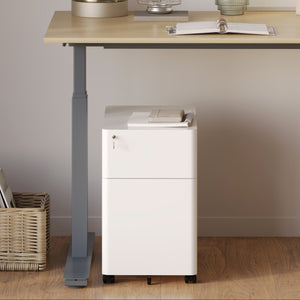



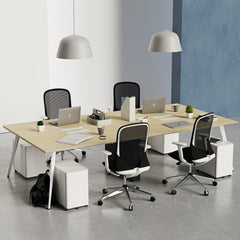
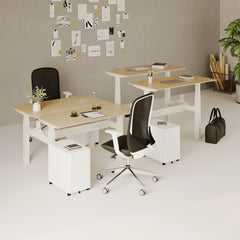
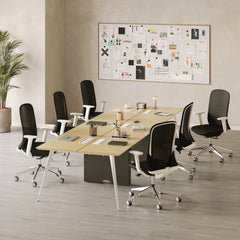


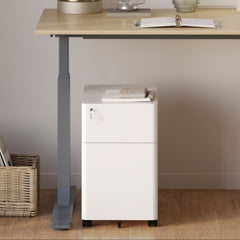


Filing Cabinet Choices for Cleaner Workstation Planning
Cleaner workstation planning starts with filing storage that matches the desk, document volume, security needs, and daily workflow. Explore how cab...
Learn more
Visit quiz page to see how we makes it easy to create an inspiring workplace


Quality furniture is more than a home purchase. It is a long-term investment that affects your comfort, your wallet, and the environment. When furniture is poorly made, it breaks down quickly, loses structural support, and eventually finds its way into landfills. High-quality pieces, however, last for years and sometimes decades, reducing waste and creating a more sustainable home. Knowing how to identify durable, well-built furniture helps you avoid short-lived purchases while building a home filled with pieces that truly stand the test of time. This guide walks you through everything you need to look for, from structural integrity to upholstery construction, so you can feel confident about your next furniture investment.
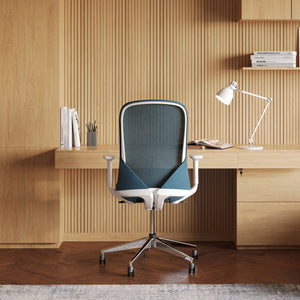
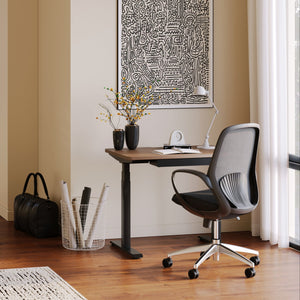
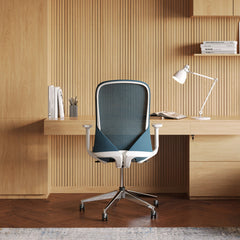
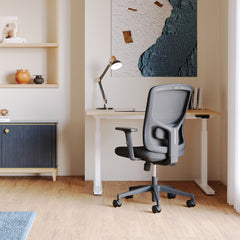
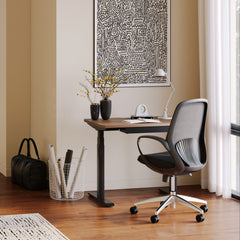
One of the first pieces to inspect when choosing durable furniture is seating. A foundational seating item, such as an Ergonomic Office Chair California, sets the quality standard for the rest of your space. Seating is used daily, often for long periods, and reveals construction quality faster than any other category.
Daily use tests structural strength
Weak joints become noticeable immediately
Cushion materials reveal durability quickly
Stability affects posture and comfort
Long-term use shows how well materials age
Place foundational seating in well-lit areas so you can inspect stitching, joint alignment, and material consistency before purchasing.
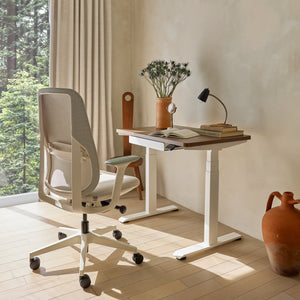
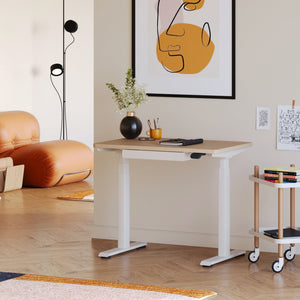
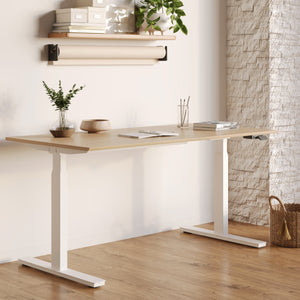
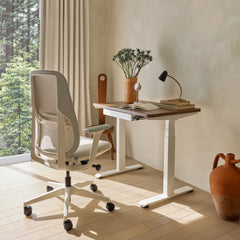
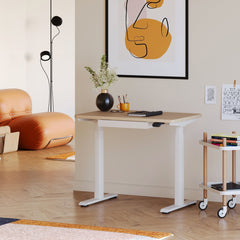
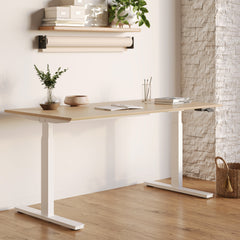
A versatile standing desk is an excellent example of furniture that shows durability through its construction. Height-adjustable furniture experiences more mechanical stress than ordinary pieces, so poor-quality options fail faster. A high-quality piece will glide smoothly, stay level, and remain stable throughout its height range.
Height adjustments feel smooth, not jerky
Legs stay even, without wobbling
No squeaks or grinding sounds
Surface finish does not scratch easily
Weight distribution stays stable at all heights
Test various heights and lightly push the surface in different directions. A stable desk should stay firm without rocking.
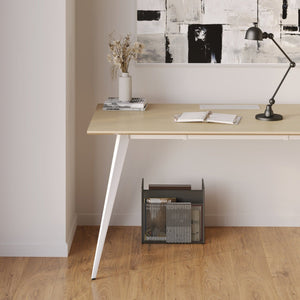
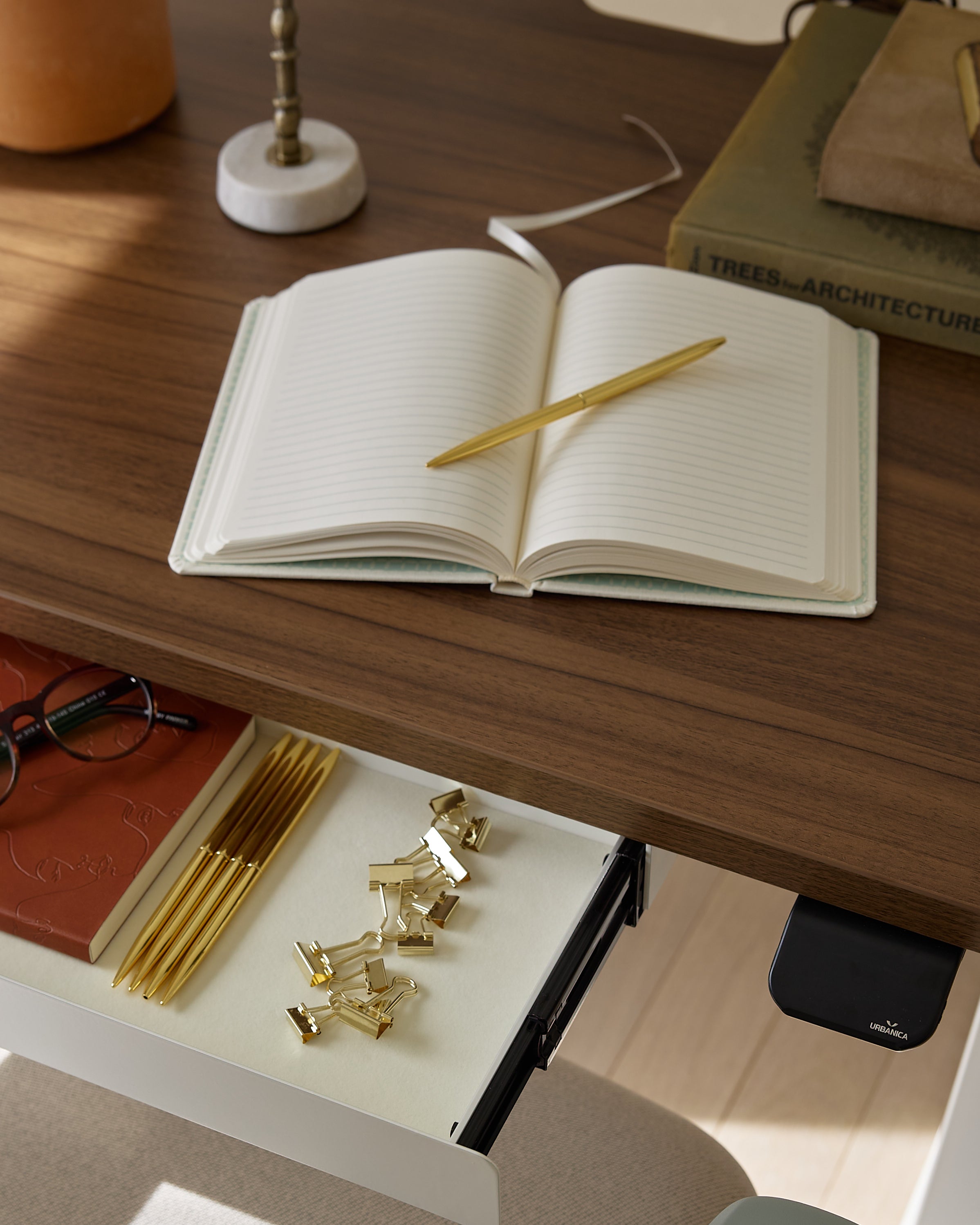
Your office desk is one of the most used surfaces in your home. It holds electronics, supports daily movement, and must withstand pressure from writing, typing, and organizing. Poor-quality desks warp, scratch, and sag under weight. High-quality desks remain firm and stable for years.
Solid or well-engineered wood
Reinforced joints and hardware
Even, sturdy drawers
Surfaces resistant to stains and scratches
Legs that stay level on the floor
Check the desk corners for smooth finishing, examine the underside for reinforcements, and check drawer tracks for smooth movement.
A short ergonomic study explains how material quality affects comfort and long-term performance. Materials that support proper alignment and resist early breakdown last significantly longer than cheaper alternatives.
Dense wood grain with minimal knots
High-resilience foam that bounces back quickly
Metal frames with consistent welds
Even fabric weave without loose threads
Finishes that resist peeling
Press lightly on upholstered surfaces. High-quality foam springs back quickly, while low-quality foam dents easily and takes time to recover.
Upper-body support reduces long-term wear on stools, chairs, and sofas. Adding structured support like an Ergonomic Arm increases the lifespan of your seating because it reduces pressure on cushions and frames.
Distributes body weight more evenly
Reduces sinking in the seat over time
Protects cushion density
Improves balance when sitting
Enhances posture stability
Choose arm supports that match the chair’s proportions. Oversized arms weaken frames; balanced sizing improves longevity.

A structurally strong office chair keeps your posture aligned and your body fully supported. Poorly made chairs lose balance, lean to one side, and leave permanent marks in the cushions. High-quality chairs maintain shape, support, and even weight distribution for years.
High-density foam layers
Metal base construction
Smooth-rolling casters
Breathable but strong upholstery
Firm lumbar support
Sit down and shift your weight from side to side. A strong chair should remain balanced without tilting or creaking.
The frame determines how long your furniture survives everyday use. High-quality pieces rely on strong internal structures, not just surface aesthetics. Poorly built frames sag, separate, or loosen within months.
Strong joinery instead of simple glue
Solid hardwood or reinforced engineered wood
Even alignment without gaps
Smooth sanding and finishing
No hollow or overly lightweight feel
Mortise and tenon, dovetail, and dowel joinery all indicate stronger construction than basic staples or glue.
|
Material Type |
Durability |
Notes |
|
Solid hardwood |
Excellent |
Long-lasting and repairable |
|
Metal frame |
High |
Stable for chairs and desks |
|
Marine-grade plywood |
High |
More stable than basic plywood |
|
MDF/particleboard |
Low |
Prone to sagging and swelling |
|
Low-density foam |
Low |
Breaks down quickly over time |
Cushions make or break long-term furniture comfort. High-quality cushions retain shape, support joints, and feel comfortable even after years of use.
Foam rebounds quickly when pressed
Thick, tight fabric weave
No loose threads or uneven stitching
Zippers move smoothly
Fabric withstands gentle pulling
Press the cushion firmly. If the indentation remains for more than a few seconds, the foam quality is low.
Durable furniture feels stable. While weight isn’t everything, lighter pieces often indicate weaker internal components, thinner materials, or simplified construction.
Even weight distribution
No wobbling when lightly pushed
Properly aligned legs
No hollow tapping sounds
Smooth surfaces without cracks or warping
Gently lift one side. High-quality furniture resists bending and maintains form.
Strong joinery styles
Dense foam cushions
Solid or engineered hardwood frames
Metal reinforcements where needed
Stable, even legs
Scratch-resistant finishes
Tight fabric weaving
No sagging or hollow construction
Smooth mechanical parts
Design that supports long-term use
Durable furniture is built so it can be fixed, cleaned, or updated instead of replaced. Repairable materials extend product lifespan and reduce landfill waste.
Replaceable cushion covers
Accessible hardware
Removable components
Standardized screws and fixtures
Timeless design that stays relevant
Place furniture away from humidity and direct sunlight. Consistent cleaning extends both appearance and structural life.

Furniture that stays with you for years becomes part of your life story. It shapes your comfort, strengthens your routines, and eliminates the need for constant replacements. When you choose pieces with strong construction, durable materials, balanced support, and long-term repairability, you build a home that lasts while reducing waste. High-quality furniture becomes a partner—one that supports your lifestyle, protects the environment, and keeps your home feeling grounded and stable for years to come.


You have unlocked free shipping!
You're saving $29 and unlocked free shipping!
Leave a comment