



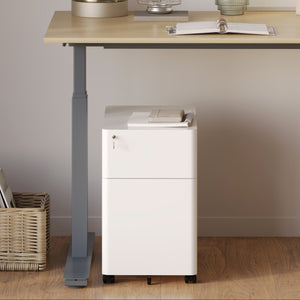






















Filing Cabinet Choices for Cleaner Workstation Planning
Cleaner workstation planning starts with filing storage that matches the desk, document volume, security needs, and daily workflow. Explore how cab...
Learn more
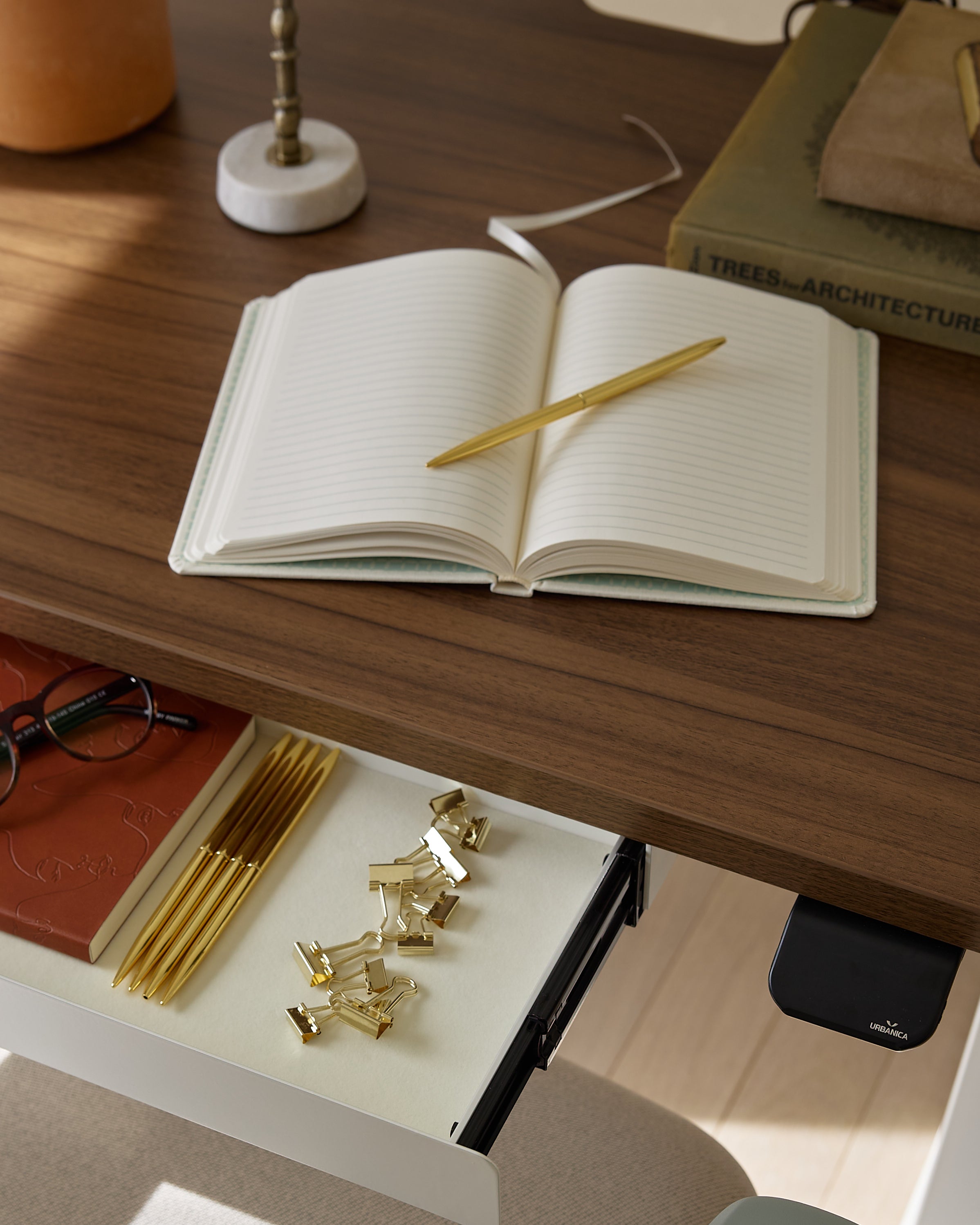
Visit quiz page to see how we makes it easy to create an inspiring workplace


Bistro tables solve a very specific design problem. They create a smaller, lighter footprint than many full-size dining tables or desks, yet they still offer enough surface area for everyday use. That makes them appealing in apartments, breakfast corners, collaborative office zones, studio layouts, hospitality-inspired workspaces, and mixed-use rooms where a single piece of furniture has to support more than one routine.
The challenge is that bistro table height is not a style choice alone. Height affects posture, reach, legroom, conversation comfort, visual balance, and how long someone can use the table before it starts to feel inconvenient. A table that looks refined in a showroom can feel awkward once it becomes the place for coffee, laptop work, shared meals, video calls, and evening unwinding.
Choosing the right height means looking beyond appearance and focusing on how the table will actually perform. In practical terms, the best choice is the one that supports real habits with the least amount of friction. In some spaces, that means prioritizing seated comfort for dining. In others, it means allowing for quick work sessions and a more active posture. In many homes and professional environments, it means finding a balance that works well across both.
Table height determines where the shoulders rest, how the elbows align, and whether the wrists can stay in a neutral position during daily tasks. When the surface is too high, users tend to lift the shoulders or bend the wrists upward. When it is too low, they lean forward and collapse through the upper back. Both positions become tiring faster than most people expect.
This matters for more than work. Dining posture also depends on proportion. If a table edge sits too high in relation to the chair, meals feel less relaxed. If it sits too low, users may hunch or feel compressed. Small differences in dimension can have a big effect on comfort over time.
Bistro tables often succeed because they make a room feel open. Their smaller tops and lighter proportions can preserve circulation and prevent a compact area from feeling overcrowded. A thoughtfully chosen modern bistro table can support that sense of openness while still giving the room a clear center of activity.
A useful table does not have to dominate the room. It simply has to fit the body, the floor plan, and the routines taking place around it.
The term bistro table can describe different formats, but most options fall into three broad height categories. Understanding those categories makes it easier to match the table to the room.
| Height Category | Typical Use Pattern | Best Fit For | Main Comfort Tradeoff |
|---|---|---|---|
| Standard height | Seated dining and longer sitting sessions | Everyday meals, laptop use, mixed seating | Less visual separation in open layouts |
| Counter height | Casual gathering and shorter active sitting | Quick meals, conversations, flexible social zones | Can feel less comfortable for long desk-style work |
| Bar height | Standing-adjacent social use and high stool seating | Hospitality-style settings, compact social corners | Least forgiving for extended seated use |
Standard-height tables usually offer the easiest transition between dining and seated task work. They are more compatible with a wide range of chairs, and they generally create a more relaxed posture for meals, reading, planning, and occasional laptop use.
That does not mean they replace a true desk in every scenario. It means they are often the safest choice when a room must support several needs without becoming overly specialized.
Counter-height bistro tables often feel more energetic and architectural. They can define a zone without adding bulk, especially in open-plan rooms or corners that need a stronger sense of purpose. They are often well suited to shorter interactions, casual dining, and collaborative moments where people gather, perch, and move on.
The tradeoff is that seated work becomes more dependent on proper stool height, foot support, and user tolerance for a more upright posture.
Bar-height options can be attractive in hospitality-inspired interiors, but they are typically the least forgiving for work-dining crossover. They ask more of the user physically and require more precise seating pairings. In a home or office trying to balance comfort with flexibility, they are usually the narrowest solution.
A bistro table can be excellent for short laptop sessions, emails, reading, note-taking, or one-on-one conversations. It can also work well for touchdown spaces where the goal is flexibility rather than full workstation performance. The mistake is assuming that any table that holds a laptop is automatically suitable for long, repeated work.
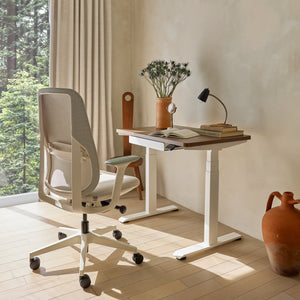
The longer the table is used for focused tasks, the more important ergonomic support becomes. Surface height, seating, back support, and lighting all begin to matter more. This is where some spaces need to move beyond makeshift solutions and consider adjustable ergonomic desks when work becomes a primary function rather than an occasional one.
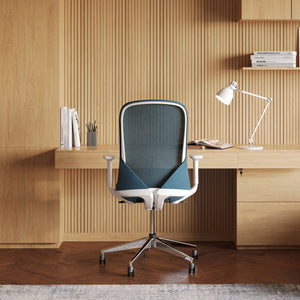
A table is only half of the comfort equation. Seating determines whether users can stay supported through the hips, spine, and shoulders. If a bistro table will regularly host digital work or planning sessions, pairing it with ergonomic office chairs can make the setup far more realistic for productive use.
Good seating does not need to overpower the room visually. It needs to match the table proportion, support upright posture, and allow the body to stay comfortable through the length of the task.
1. How long will someone typically sit at the table in one session?
2. Will the surface be used mainly for laptop work, handwriting, meals, or all three?
3. Is the seating supportive enough for repeated use?
4. Does the user need a more neutral wrist and elbow position?
5. Will the table remain a secondary work zone or become the main one?
These questions help separate a flexible lifestyle choice from a setup that will eventually feel limiting.
People often evaluate dining tables visually first, but real comfort shows up in proportion. A table should allow diners to rest their forearms naturally without lifting the shoulders. It should also give enough clearance for knees and enough room for chairs to move without constant adjustment.
That is why standard-height bistro tables often perform so well in breakfast spaces and compact dining corners. They support a calmer sitting posture and make longer conversations feel easier.
Round bistro tables have a unique social advantage. They soften circulation, reduce sharp corners, and invite a more balanced interaction between users. In tighter layouts, this can make the space feel more generous than its actual dimensions suggest.
That sense of ease matters when the room is doing more than one job. A table that supports pleasant dining is more likely to remain useful through the day rather than becoming a surface people avoid.
The best table height for a multi-use space depends on which activity has the strongest claim on comfort. If the surface is used for meals twice a day and work once in a while, the dining experience should lead the decision. If it handles hours of computer use and only occasional coffee breaks, work comfort deserves more weight.
Problems appear when the room is designed around a vague idea of flexibility instead of actual habits. A successful hybrid setup does not try to make every task perfect. It makes the most important tasks comfortable and the secondary ones manageable.
In apartments, studios, and compact homes, each piece has to justify the space it occupies. Bistro tables often do that well because they can shift roles without asking for much floor area. They can act as a breakfast table in the morning, a laptop station in the afternoon, and a gathering point in the evening.
To make that flexibility work, height has to support the dominant rhythm of the room. A poor match turns multi-use living into constant adjustment. A good match creates flow.
When seat height is properly matched to table height, the body can settle into a more neutral position. Feet stay planted or supported, knees are not forced too high, and the shoulders do not need to compensate. This is what makes the setup feel intuitive instead of fussy.
For dining-led spaces, side chairs or compact dining chairs often create the best balance. For work-led hybrid areas, supportive task seating may be the smarter choice. For active social use, stools can work well if they provide enough stability and, ideally, some form of back support.
Not every user sits the same way or uses the table for the same purpose. In a shared room, a combination of supportive seating and lighter occasional seating can be a practical way to make the space more adaptable. The goal is not uniformity for its own sake. The goal is to give the table more than one mode of use without making any of them feel awkward.
A well-sized bistro table can still fail if the room around it is too tight. Users need enough space to pull chairs back, walk around the table, and transition between functions without disruption. This is especially important in kitchens, studio apartments, and open-plan work zones where circulation is already carrying multiple demands.
A taller table can sometimes help define a zone more clearly, but it can also increase visual presence. In narrow rooms, that extra visual weight may make the area feel more crowded than intended.
Round tops generally improve movement in tighter spaces, while square or rectangular tops may align better with walls or architectural lines. Height changes how that shape reads. A lighter standard-height table tends to feel more settled, while a taller format can feel more assertive and spatially dividing.
Rooms that need subtle zoning may benefit from that effect. Rooms that already feel compressed usually benefit from the opposite.
A surface used for meals and work rarely performs well under a single lighting approach. Dining tends to benefit from warmth and softness. Task use demands better visibility and clearer illumination. Good layered lighting allows the table to shift roles without the room feeling confused.
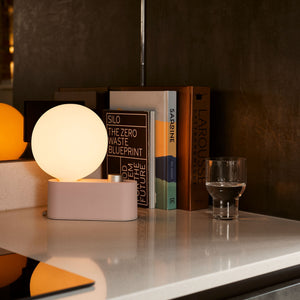
A multi-use LED table and wall light can support this kind of flexibility, especially in compact interiors where lighting has to work harder and occupy less space. The value lies in adaptability and placement, not in overcomplicating the room.
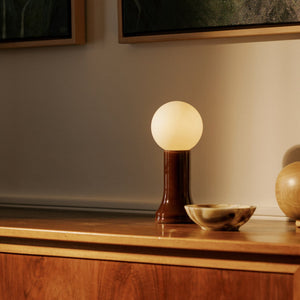
A hybrid setup still needs warmth. A recycled glass table lamp can help soften the environment and make a multi-use corner feel more intentional, particularly when the table needs to transition from practical daytime use to a more relaxed evening mood.
The key is scale. Lamps and accessories should complement the table rather than crowd it. A small surface benefits from restraint.
In a compact work-dining setup, small details have an outsized impact. Storage pieces, tabletop organization, cable control, and supporting objects can make the surface easier to use without visually overwhelming it. Well-chosen modern office accessories can support function while preserving the calm, uncluttered feel that makes bistro-scale furniture appealing in the first place.
Accessories work best when they remove obstacles. They should not be used to compensate for a table height that never fit the room.
A table can look beautiful and still be wrong for the body. This happens when visual style takes priority over seated proportion, use duration, and pairing with the right chair or stool.
Some tables are chosen for the image of entertaining, working, or styling, rather than for the pattern that repeats every day. Long-term satisfaction comes from matching the table to ordinary behavior, not occasional scenarios.
Many spaces have one primary use and several secondary ones. Clarity here makes decision-making easier. Trying to optimize equally for every possible activity often leads to a table that excels at none.
If the table will be used mainly for eating, conversation, reading, and occasional laptop work, standard-height options are often the strongest long-term choice. They tend to offer the broadest comfort range and the easiest seating compatibility.
If the room leans heavily toward focused work, posture and seating become more important. Some spaces can make a bistro format work beautifully for light tasks, but others need a more complete workspace strategy. In those cases, broader planning around modern ergonomic workspace solutions can help create a setup that feels cohesive, practical, and appropriately scaled to the way the space is used.
For truly mixed-use spaces, the right choice usually comes from ranking needs instead of trying to equalize them. Which matters most: meal comfort, work support, visual openness, or social flexibility? Once that answer is clear, the ideal table height becomes easier to identify.
The strongest interiors are rarely the ones that promise everything at once. They are the ones that make daily life feel natural. A bistro table succeeds when its height supports movement, comfort, and rhythm across the real uses of the room. That is what turns a small table into a lasting solution rather than a temporary compromise.


You have unlocked free shipping!
You're saving $29 and unlocked free shipping!
Leave a comment