



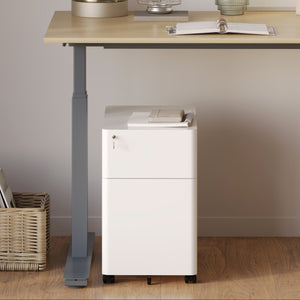






















Filing Cabinet Choices for Cleaner Workstation Planning
Cleaner workstation planning starts with filing storage that matches the desk, document volume, security needs, and daily workflow. Explore how cab...
Learn more
Visit quiz page to see how we makes it easy to create an inspiring workplace


Workplace distractions are everywhere. Notifications, clutter, discomfort, and poor furniture choices can quietly chip away at productivity. While many people try to fix focus issues with apps or routines, the physical workspace is often overlooked. The truth is, your environment shapes your behavior more than you think. The furniture you use every day can either support deep work or constantly interrupt it.
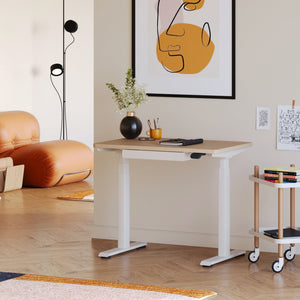
Choosing the right setup is not about aesthetics alone. It is about creating a system that removes friction, supports your body, and keeps your mind clear. Even something as specific as a Mini Standing Desk Los Angeles option can make a meaningful difference in how you structure your workday.
Distractions are not always external. Many come from within the workspace itself. An uncomfortable chair, a cramped desk, or poor layout forces your brain to constantly adjust. This drains mental energy and reduces your ability to stay engaged.
When your body is uncomfortable, your attention shifts. You start adjusting your posture, stretching unnecessarily, or taking breaks more often than needed. Over time, this creates a cycle of interrupted work.
Furniture that supports natural posture and efficient workflow removes these interruptions. A well-sized desk, a supportive chair, and a clean setup allow your brain to stay in one place: focused on the task.
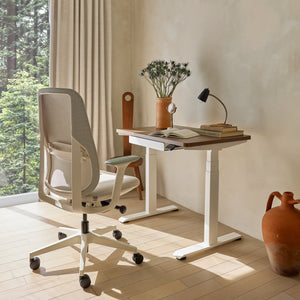
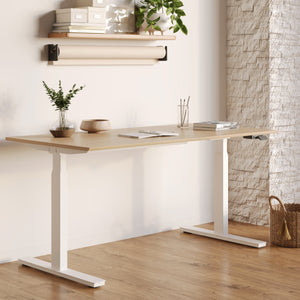
Your desk is where most of your work happens. If it is poorly designed, everything else becomes harder. A functional standing desk can help you shift positions throughout the day, reducing fatigue and improving circulation.
Staying in one position for too long leads to discomfort and restlessness. When your body feels stuck, your mind follows.
A flexible desk setup allows you to:
Alternate between sitting and standing
Reduce physical strain
Maintain energy levels longer
The right desk should include:
Enough surface space for essentials
Clean cable management
Stable structure to avoid wobbling
These small details prevent micro-distractions that build up over time.
A messy desk does more than look chaotic. It forces your brain to process unnecessary information. This reduces your ability to concentrate.
Research shows that organized spaces can improve mental clarity. According to this ergonomic study, decluttering your environment can directly impact how you think and feel.
Start with small changes:
Keep only essential items on your desk
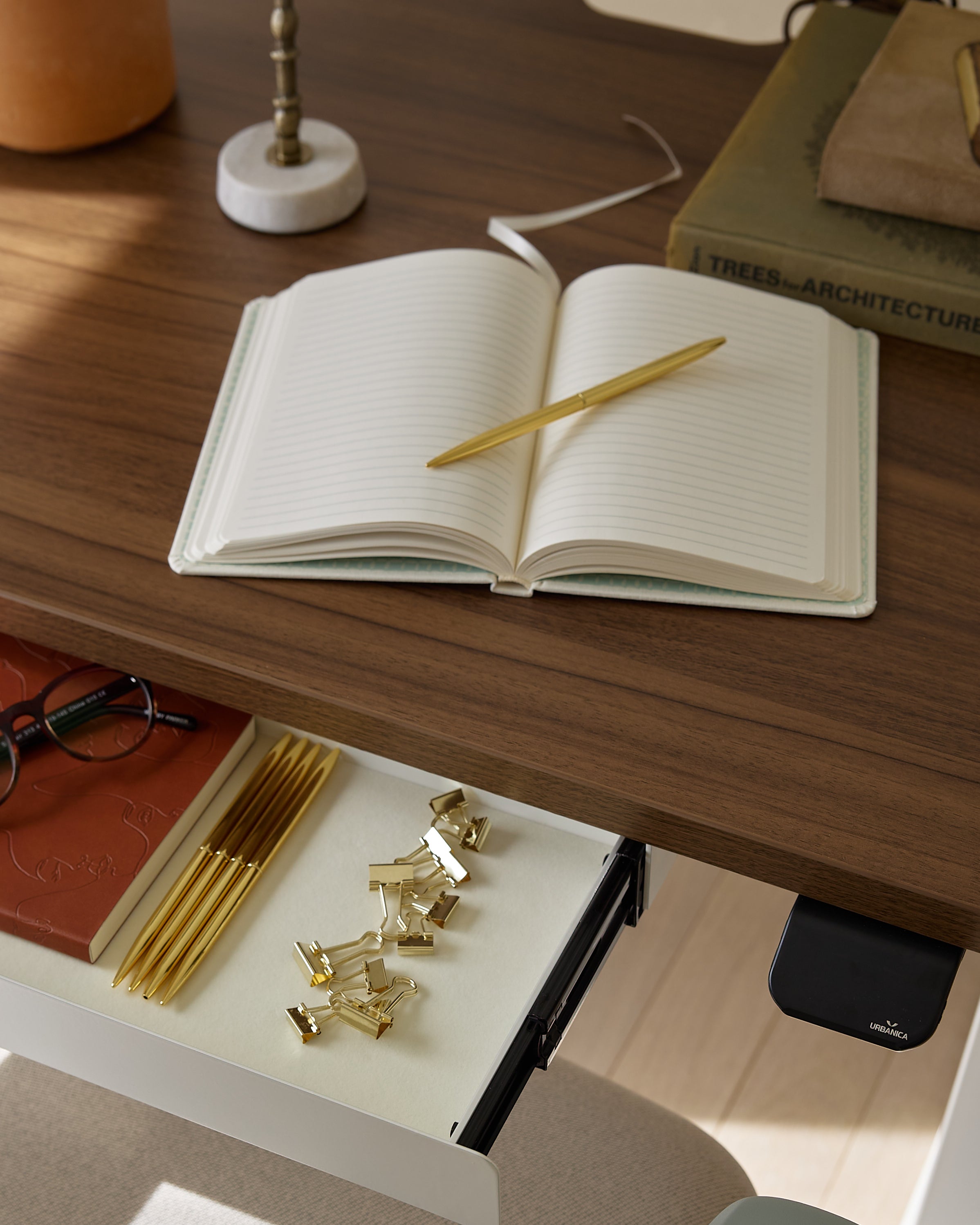
Use drawers or organizers for storage
Limit decorative items
A clean workspace allows your brain to focus on one task at a time. It reduces decision fatigue and keeps your attention steady.
Not all desks are built the same. A poorly sized desk can create constant friction. Too small, and you feel cramped. Too large, and it becomes cluttered.
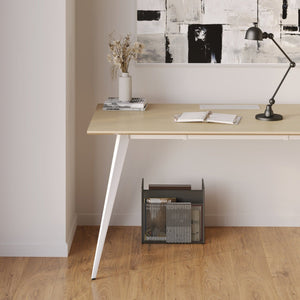
A well-designed office desk supports your workflow by giving you just enough space to work comfortably without encouraging unnecessary items.
Think about how you work daily. Do you need multiple monitors? Do you write often? Do you switch between devices? Your desk should match these habits.
When your workspace aligns with your workflow, distractions naturally decrease.
Accessories often go unnoticed, but they play a major role in maintaining focus. An ergonomic arm can help position your screen at eye level, reducing neck strain and improving posture.
Looking down at a screen for long periods creates tension. This leads to discomfort, which eventually becomes a distraction.
With proper positioning, you can:
Maintain neutral posture
Reduce eye strain
Stay focused longer
Monitor arms for flexibility
Cable organizers for a clean look
Desk mats for defined workspace zones
These small upgrades create a smoother work experience.
Your chair is one of the most important pieces of furniture in your workspace. A poorly designed chair forces constant movement and adjustment, breaking concentration.
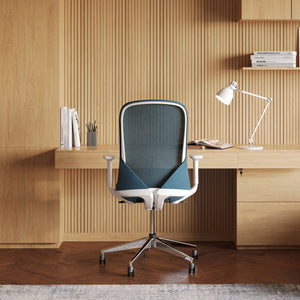
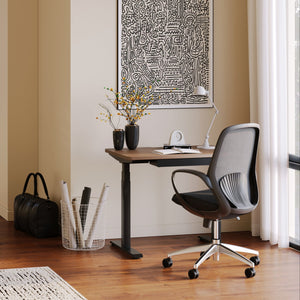
A high-quality ergonomic office chair supports your spine and adapts to your body. This reduces fatigue and allows you to stay focused for longer periods.
When your body is properly supported, your mind can fully engage with your work.
|
Furniture Type |
Key Benefit |
Distraction Reduced |
Ideal Use Case |
|
Standing Desk |
Encourages movement |
Physical fatigue |
Long work sessions |
|
Office Desk |
Structured workspace |
Clutter and disorganization |
Daily tasks and multitasking |
|
Ergonomic Chair |
Supports posture |
Body discomfort |
Extended sitting periods |
|
Monitor Arm |
Adjustable screen position |
Neck and eye strain |
Multi-monitor setups |
|
Minimal Setup |
Reduces visual noise |
Cognitive overload |
Deep work environments |
Dividing your workspace into zones helps your brain understand what to focus on. Each area should have a clear purpose.
Work zone for focused tasks
Storage zone for supplies
Break zone for relaxation
When everything has a place, your brain spends less time searching and more time working. This reduces distractions and increases efficiency.
Investing in the right furniture is not just about immediate comfort. It creates long-term improvements in how you work and feel.
A distraction-free workspace leads to:
Higher productivity
Better mental clarity
Improved physical health
More consistent work habits
Over time, these benefits compound. Small improvements in your environment can lead to significant gains in performance.
Creating a focused workspace does not require a complete overhaul. It starts with intentional choices. The goal is to remove anything that interrupts your workflow and replace it with solutions that support it.
Choose a desk that fits your workflow
Use a chair that supports your posture
Keep your workspace clean and organized
Add ergonomic accessories for comfort
Create defined zones for different tasks
Reduce visual clutter
Allow movement throughout the day
When your workspace works with you instead of against you, focus becomes natural. The right furniture does not just improve your environment. It improves how you think, work, and perform every day.


You have unlocked free shipping!
You're saving $29 and unlocked free shipping!
Leave a comment