



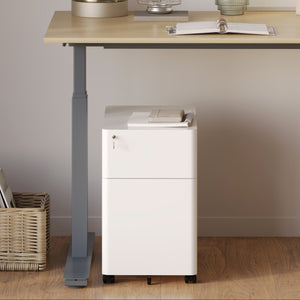






















Filing Cabinet Choices for Cleaner Workstation Planning
Cleaner workstation planning starts with filing storage that matches the desk, document volume, security needs, and daily workflow. Explore how cab...
Learn more
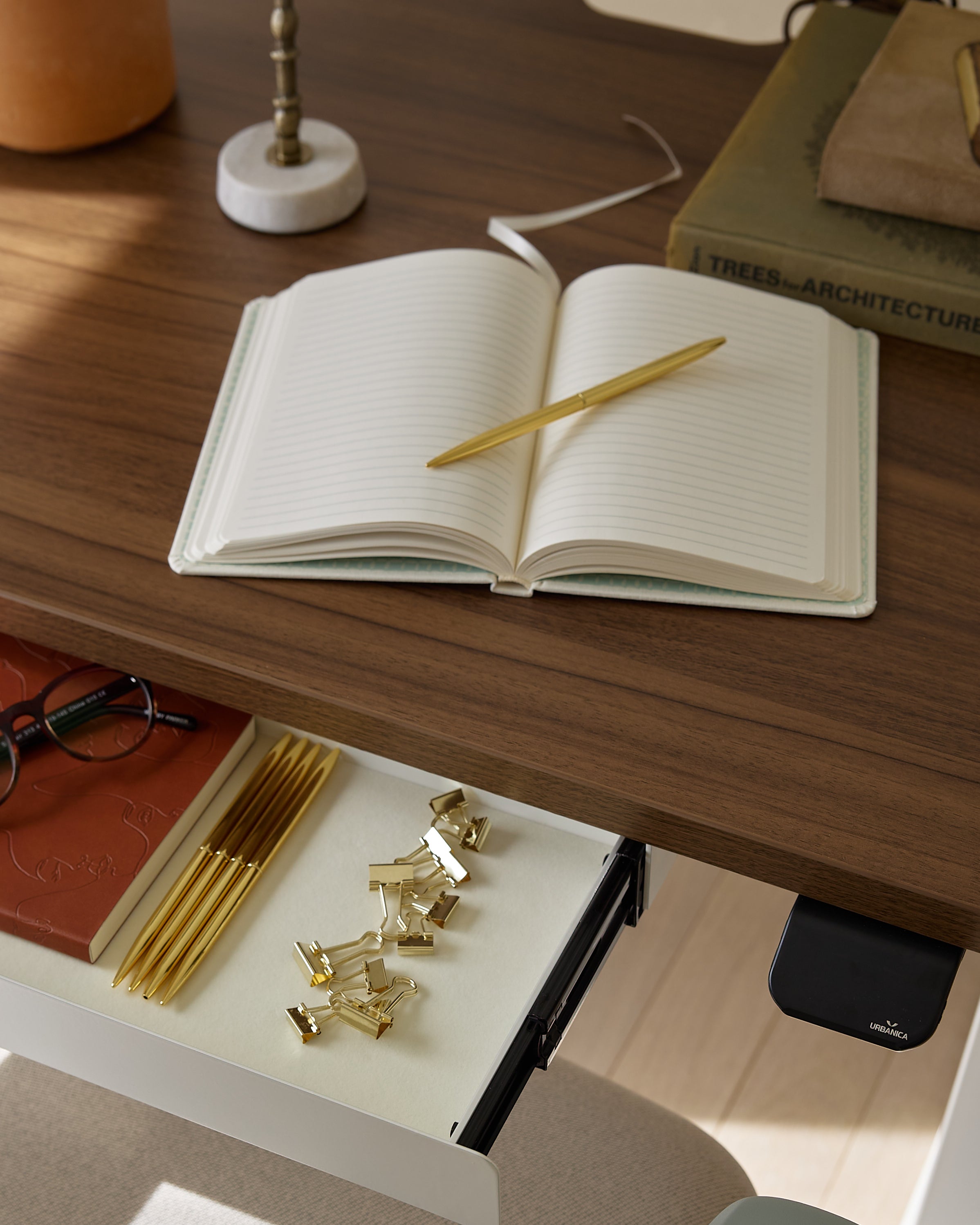
Visit quiz page to see how we makes it easy to create an inspiring workplace


Productivity is often associated with discipline, time management, or digital tools. While those factors matter, one of the most overlooked contributors to performance is the physical environment where work takes place.
Furniture is not simply decorative. It shapes how people interact with their workspace every day. A poorly designed desk can make work feel cramped and stressful. An uncomfortable chair can lead to fatigue that drains mental energy. Cluttered layouts can distract the mind before a task even begins.
On the other hand, thoughtfully designed furniture supports efficiency, comfort, and organization. When a workspace feels balanced and functional, people can concentrate more easily and work longer without discomfort.
The relationship between furniture and productivity is especially important in modern work environments where people spend hours sitting, typing, and focusing on screens. The right furniture encourages healthy posture, better organization, and smoother workflows.
By choosing furniture that supports the way people work, productivity becomes easier to sustain throughout the day.
Furniture has a powerful influence on daily routines. When the workspace is designed intentionally, it encourages productive behavior.
A well-structured Office Furniture Los Angeles setup helps define the purpose of a room and creates a dedicated area where work can happen without distraction.
When people sit down in a workspace that is organized and comfortable, their brain immediately associates that environment with focus and productivity.
Purposeful furniture helps workers:
• Enter a focused mindset more quickly
• Maintain organized workflows
• Reduce unnecessary distractions
• Improve long-term work consistency
Furniture does not simply fill space. It actively shapes the habits that determine productivity.
Remaining seated for long periods can cause fatigue, stiffness, and reduced alertness. Furniture that encourages movement helps maintain energy levels throughout the day.
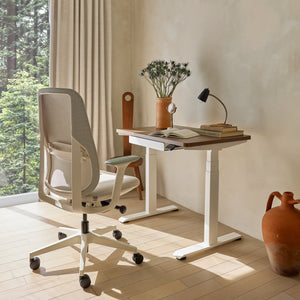
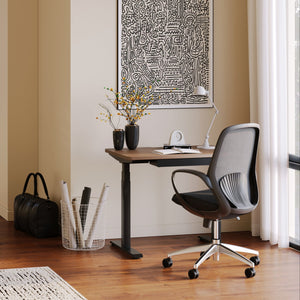
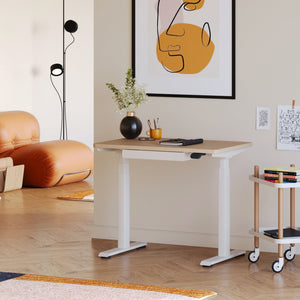
A well-designed standing desk allows users to alternate between sitting and standing positions, which keeps the body active and the mind alert.
Benefits include:
• Improved blood circulation
• Reduced physical stiffness
• Increased engagement during work
• Better posture throughout the day
Alternating between sitting and standing positions helps prevent mental stagnation. When the body moves, energy levels remain stable and concentration improves.
Furniture that supports movement plays an important role in maintaining productivity during long work sessions.
Visual clutter forces the brain to process additional information, which can reduce concentration and productivity.
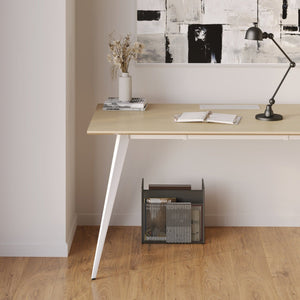
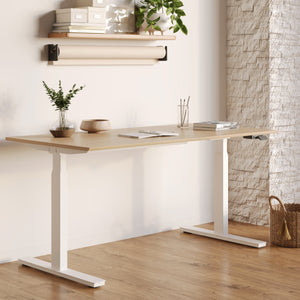
A spacious office desk allows workers to organize essential tools without overcrowding their workspace.
Helpful desk organization strategies include:
• Keeping only essential tools on the desk
• Maintaining clear workspace surfaces
• Positioning frequently used items within reach
When desks remain organized, the brain processes fewer distractions. This clarity helps workers focus on important tasks rather than visual clutter.
A clean workspace supports stronger mental performance.
Choosing furniture carefully is essential for building a productive workspace. Research on furniture selection tips highlights the importance of selecting furniture that combines durability, functionality, and comfort.
High-quality furniture improves daily work experiences while also lasting longer. Durable desks, supportive chairs, and ergonomic accessories help prevent the frustration caused by unstable or poorly designed furniture.
Investing in quality furniture creates environments where people can focus on work rather than dealing with discomfort or equipment problems.
Poor screen positioning often leads to neck strain, eye fatigue, and posture issues that reduce productivity.
Using a monitor arm allows screens to be positioned at eye level while freeing valuable desk space.
Advantages include:
• Reduced neck and shoulder strain
• Better screen visibility
• Increased workspace organization
When monitors are properly positioned, workers spend less time adjusting their posture. This allows them to remain focused on tasks without physical distractions.
Ergonomic accessories play a major role in maintaining comfort during extended work sessions.
Physical comfort is one of the most important factors in sustained productivity. Chairs that lack proper support force users to constantly adjust their posture, interrupting focus.
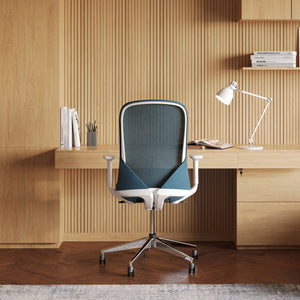
A well-designed ergonomic office chair helps maintain spinal alignment while reducing strain on the back and shoulders.
Ergonomic seating offers several advantages:
• Improved posture support
• Reduced physical fatigue
• Greater comfort during long work sessions
Comfortable seating allows workers to maintain concentration without frequent breaks caused by discomfort.
|
Furniture Feature |
Purpose |
Productivity Benefit |
|
Adjustable desks |
Encourage movement |
Higher daily energy |
|
Organized desk surfaces |
Reduce clutter |
Improved concentration |
|
Ergonomic seating |
Maintain posture |
Less fatigue |
|
Monitor arms |
Improve screen placement |
Better comfort |
|
Spacious work surfaces |
Allow organization |
Faster workflow |
These furniture elements work together to create environments that encourage focus and productivity.
The way furniture is arranged within a room can significantly affect productivity.
Effective workspace layouts often include:
• Desks positioned near natural light
• Clear walking paths within the room
• Balanced furniture placement
• Minimal visual clutter
These strategies create environments that feel calm and organized.
Overcrowded rooms can create unnecessary distractions. Simplified furniture arrangements help maintain mental clarity and improve focus.
Thoughtful layout design allows furniture to support productivity rather than interrupt it.
Productivity is not created by motivation alone. It is strongly influenced by the environment where work happens every day.
Workspaces designed with the right furniture help eliminate small obstacles that slow down daily tasks. Organized desks, comfortable seating, and ergonomic accessories reduce distractions that might otherwise break concentration.
When the workspace supports comfort and organization, workers can focus entirely on their responsibilities.
A well-designed workspace transforms productivity from a struggle into a natural outcome.
Creating a productive workspace begins with intentional furniture choices.
Use this checklist to design a workspace that supports focus and efficiency:
• Choose desks that provide sufficient workspace
• Maintain clutter-free desk surfaces
• Use ergonomic chairs for proper posture
• Position monitors at eye level
• Encourage movement during the day
• Keep essential tools within reach
• Maintain open and balanced room layouts
• Avoid overcrowding spaces with furniture
• Prioritize comfort and durability
• Design spaces that encourage focus
When furniture supports both the body and the mind, productivity becomes easier to maintain every day.
A workspace built around thoughtful furniture design becomes a foundation for consistent performance and long-term success.


You have unlocked free shipping!
You're saving $29 and unlocked free shipping!
Leave a comment