



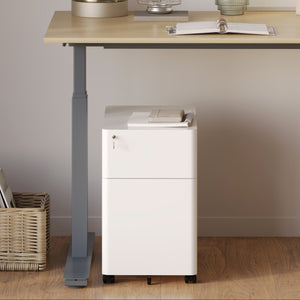






















Filing Cabinet Choices for Cleaner Workstation Planning
Cleaner workstation planning starts with filing storage that matches the desk, document volume, security needs, and daily workflow. Explore how cab...
Learn more
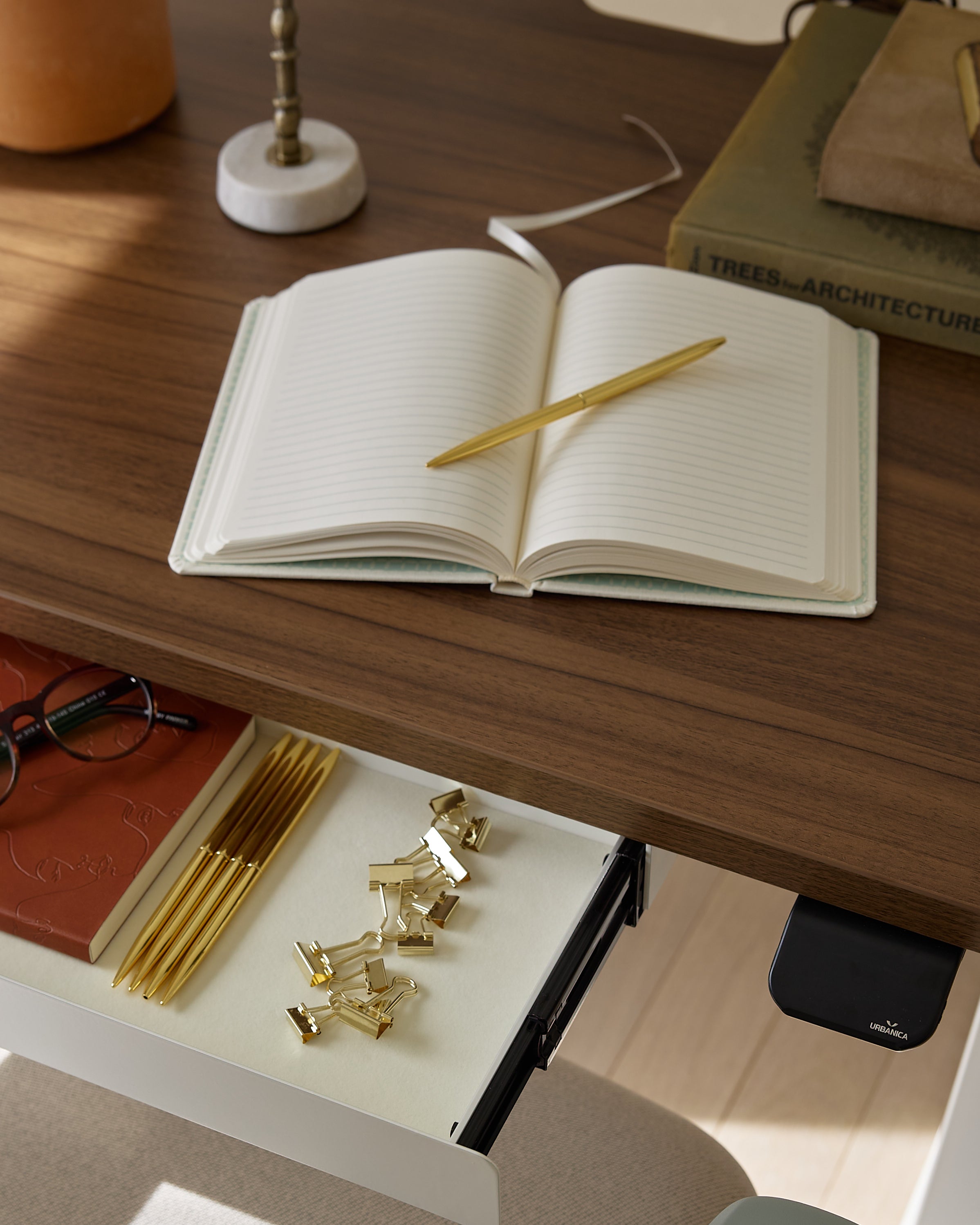
Visit quiz page to see how we makes it easy to create an inspiring workplace


Every table surface does more than hold work tools; it influences how people think, feel, and perform. Material qualities such as temperature, texture, and light reflection play measurable roles in how the mind processes focus. The subtle differences between wood grain, metal polish, or glass clarity can change how long someone stays concentrated and how comfortable they feel during that time.
Surfaces interact with the senses before the brain even registers them consciously. A cool, smooth texture signals calm precision, while a warm, matte surface can feel inviting and grounding. These subtle sensory cues help shape focus, guiding how individuals transition from one task to another. Scientific studies in environmental psychology show that tactile experiences can either enhance or disrupt sustained attention, making surface choice a key element of workspace design.
Visual order and tactile comfort create the foundation of an efficient workspace. Reflective materials like glass or metal can amplify light, keeping environments bright but occasionally overstimulating. Meanwhile, matte finishes or wood patterns tend to diffuse light more softly, reducing eye strain. The correct material combination contributes to a psychological sense of calm and predictability, both essential for consistent daily focus.
Material selection determines both the longevity of furniture and the quality of everyday use. Natural and engineered surfaces each carry distinct strengths, suited to different working environments.
The following table illustrates how common materials differ in tactile comfort, acoustic quality, and long-term focus potential:
| Material Type | Sensory Experience | Thermal Feel | Acoustic Property | Ideal Setting |
|---|---|---|---|---|
| Solid Wood | Warm, organic, textured | Neutral to warm | Sound-absorbing | Creative or home offices |
| Metal | Smooth, cool, industrial | Cold | Reflective | Modern or technical spaces |
| Glass | Sleek, bright, reflective | Cool | Echo-prone | Minimalist, low-traffic zones |
| Laminate | Uniform, clean finish | Neutral | Balanced | Multi-user workspaces |
| Bamboo | Light, flexible, tactile | Warm | Absorptive | Eco-conscious environments |
Wood can last decades with care, developing a natural patina that adds personality. Laminate resists stains and scratches, ideal for collaborative offices. Metal or glass requires frequent cleaning but adds precision to design. In acoustically sensitive rooms, dense materials like wood or bamboo minimize echo, improving speech clarity and shared concentration.
A growing number of offices are opting for sustainable surfaces. Renewable woods, recycled laminates, and low-impact composites not only reduce environmental strain but also align with wellness-oriented design philosophies. Choosing eco-responsible materials helps companies demonstrate accountability while enhancing user experience through natural, toxin-free finishes.
People instinctively respond to natural patterns. Organic materials, especially wood, offer subtle irregularities that break visual monotony and stimulate a calming effect.
Biophilic design emphasizes the inclusion of natural elements to support emotional stability. Wood surfaces can evoke a sense of familiarity, helping workers feel more grounded and connected. This balance between structure and softness supports creativity and steady attention, turning workspaces into emotionally supportive environments.
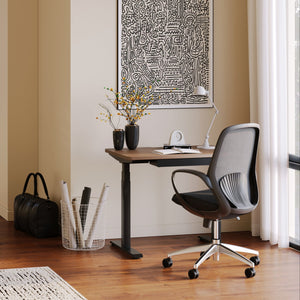
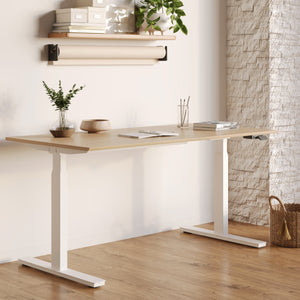
Furniture that merges craftsmanship with thoughtful material selection can transform how people work. The modern wooden workspace desk represents this balance, combining refined surfaces with functional geometry. Its tactile warmth helps maintain concentration while its clean design promotes organization, merging aesthetic appeal with practical durability.
Cluttered environments can fragment thought. Minimalist design strategies rely on simplicity and cohesion to restore mental order.
Smooth, uniform surfaces encourage focus by reducing sensory noise. When visual clutter is minimized, the brain naturally channels energy into meaningful work. Surfaces with gentle finishes are especially effective in creative or analytical professions where precision matters.
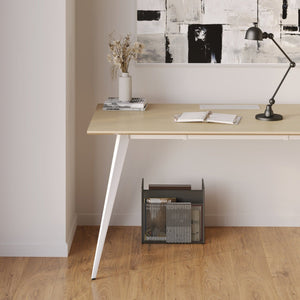
The designer desk collection showcases how coordinated material palettes can align with cognitive ergonomics. Each surface reflects intentional craftsmanship, using color balance and clean edges to complement modern work habits without overwhelming the senses.
Every well-made desk should look good, perform reliably, and feel comfortable under daily use. The best materials balance visual appeal with utility, allowing texture, tone, and weight to work together harmoniously.
Standing desks bring flexibility but also demand structural resilience. A material must endure repeated height adjustments, varying pressure points, and constant surface contact.
A desk’s frame and top material influence user posture. Solid surfaces made from dense wood or high-quality laminate help maintain balance and prevent wobble. Even subtle vibrations can interfere with typing rhythm and focus, so sturdy construction is vital.
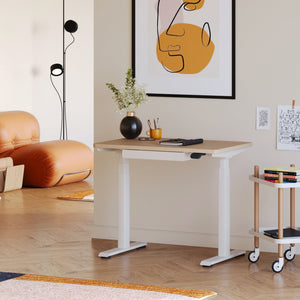
The adjustable ergonomic standing desk demonstrates how strong materials maintain both balance and tactile comfort. Its structure supports consistent daily use while retaining an inviting aesthetic that motivates physical engagement during work hours.
Small work zones benefit from versatile materials that save space without compromising quality. The compact height-adjustable workstation exemplifies this balance, offering durability in a lighter frame suitable for evolving layouts and hybrid offices.
Team-based work demands desks that support multiple users without sacrificing comfort. Materials influence not only individual focus but also the collective energy of the workspace.
Loud, reflective surfaces can increase stress in team environments. Softer materials or those with natural grain absorb sound and maintain acoustic balance. Reducing background noise enhances communication flow, allowing ideas to move fluidly between collaborators.
The four-person collaborative workstation demonstrates how shared materials foster visual continuity and structural cohesion. Its balance between surface density and spacing improves comfort and focus for group activities.
Large workstations must remain visually light to prevent cognitive overload. The expanded six-person workstation offers a grounded, coordinated layout that keeps group settings orderly while maintaining material durability and aesthetic consistency.
When two people share a workspace, surface design becomes a form of silent communication. Balanced textures and consistent tones promote a rhythm that keeps users in sync.
Neutral surfaces like light oak or soft gray create environments that feel equitable and calm. These tones encourage visual alignment, helping each person maintain personal space while sharing functional zones.
The dual standing workspace solution illustrates how well-proportioned materials enhance cooperation. A balanced surface finish ensures that both users enjoy equal comfort, helping sustain focus across shared tasks.
Responsible material choice extends beyond design. It also relates to safety and compliance, ensuring that furniture meets standards for durability, finish quality, and user protection.
Safe surfaces are resistant to excessive heat, moisture, and abrasion. Materials should be low in volatile organic compounds and free from harmful coatings. These qualities contribute directly to healthier indoor air and safer working conditions.
Employers can reference the official OSHA ergonomics resource to ensure that workspace materials support proper posture and body alignment. This includes maintaining desk heights and surfaces that minimize repetitive strain.
Certified suppliers guarantee non-toxic finishes, verified production processes, and traceable sourcing. Selecting materials with these credentials reflects both ethical design and concern for user well-being.
Design and materials are entering a phase where sustainability and cognitive support coexist naturally. Future developments aim to refine rather than replace what already works.
Manufacturers are adopting recycled fibers and responsibly harvested wood to meet growing environmental expectations. These surfaces remain warm and tactile, enhancing concentration while minimizing environmental cost.
Emerging surfaces focus on adaptability without relying on over-automation. Textures that subtly resist glare or reduce temperature variation improve comfort and encourage consistent work rhythms.
As furniture evolves, the relationship between beauty and comfort grows more deliberate. The most effective tables will balance natural materials, visual serenity, and ergonomic functionality to keep users engaged and healthy.


You have unlocked free shipping!
You're saving $29 and unlocked free shipping!
Leave a comment