



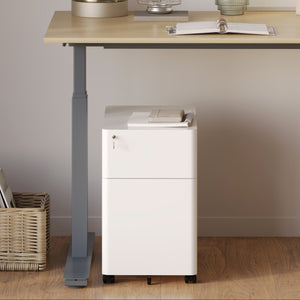






















Filing Cabinet Choices for Cleaner Workstation Planning
Cleaner workstation planning starts with filing storage that matches the desk, document volume, security needs, and daily workflow. Explore how cab...
Learn more
Visit quiz page to see how we makes it easy to create an inspiring workplace


In a culture that often prizes low upfront cost, the true price of poorly made office equipment is rarely calculated. This cheap, disposable design contributes significantly to landfill waste, perpetuating a harmful consumption cycle that impacts the environment. When a desk or chair fails after just a year or two, it represents not only a loss of investment but a tangible environmental burden.
Investing in longevity is the most sustainable choice a consumer can make. By prioritizing durable, high-quality office furniture built from resilient materials and engineered for repairability, you break the cycle of obsolescence. This approach, often aligned with advanced ergonomic design, ensures your workstation is not only supportive of your health and productivity but also responsible stewards of the planet's resources. This guide explores the direct link between quality investment and environmental sustainability.
Fast furniture relies on cheap materials, minimal structural integrity, and planned obsolescence, forcing frequent replacement.
Increased Landfill Waste: Items are discarded rapidly due to failure or design fatigue.
Higher Carbon Footprint per Year: The energy and resources required for constant manufacturing and shipping are unsustainable.
Depletion of Virgin Resources: Reliance on new, low-grade materials rather than sustainable, durable ones.
Longevity in office equipment is achieved through superior engineering, high-grade materials, and a design philosophy that anticipates years of heavy use without failure.
When selecting a desk or chair, the key question is not "How cheap is it?" but "How long will it function perfectly?" A product designed to last 15 years instead of 3 reduces its environmental impact by 80% over that period.
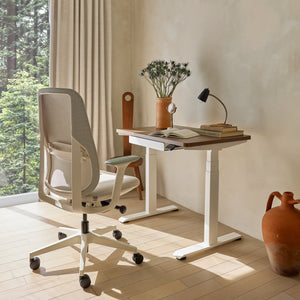
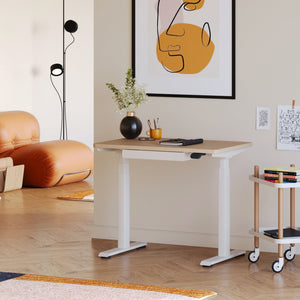
This dedication to enduring quality is evident in products like the specialized Mini Standing Desk Los Angeles, which pairs a small, efficient footprint with robust, commercial-grade components designed for heavy, daily use cycles.
The internal mechanisms and components of an adjustable desk or ergonomic chair are where durability is truly tested. Inferior components lead to rapid breakdown, forcing early disposal.
Look for features that signify commercial-grade reliability. For an adjustable desk, this means using premium, synchronized dual-motor lift systems that handle weight and frequent cycling without motor burnout or structural failure.
The investment in a high-grade stand up desk ensures thousands of reliable cycles, guaranteeing the product remains functional for decades.
The materials used in the construction of the desk and chair significantly determine their longevity and their environmental profile.
High-density woods, engineered steel frames, and breathable, durable mesh or fabrics are hallmarks of office equipment designed to endure. These materials resist wear, tears, and warping far longer than cheap particleboard or low-grade plastics.
Choosing a fixed, substantial office desk built from quality materials ensures stability and structural integrity over a long service life, preventing the need for frequent replacement.
Ergonomics is often viewed as a health benefit, but it is also a powerful driver of product longevity. A perfectly fitting desk and chair are less likely to be prematurely discarded.
When a desk chair can be precisely adjusted to fit the user's body, as outlined in expert ergonomic health guidance, the user experiences greater comfort and is less likely to seek a replacement. This precision directly extends the useful lifespan of the furniture.
The internal mechanisms of an ergonomic chair—the springs, gas lift, and tilt mechanism—are the most stressed components.
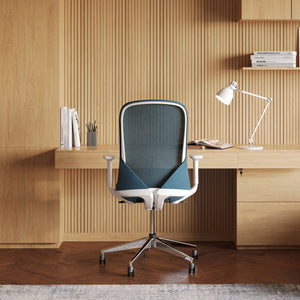
Avoid simple, non-adjustable lever mechanisms. A premium ergonomic chair features heavy-duty synchronous mechanisms and commercial-grade gas cylinders built to withstand hundreds of pounds of pressure over many years without sinking or breaking.
Longevity Features Checklist:
☐ Steel Base: High-strength foundation for stability.
☐ High-Density Foam/Mesh: Prevents premature sagging and wear.
☐ Warranty: Look for extended warranties, a direct indicator of manufacturer confidence in longevity.

Even small office accessories can contribute to the waste cycle if they are constantly being replaced or are incompatible with different desks.
High-quality accessory integration means selecting pieces that are robust, highly adjustable, and designed to move with the desk.
A durable desk accessory for monitors, made from high-grade aluminum or steel, will last through multiple technology upgrades, minimizing the waste generated by constantly buying new monitor stands.
Every time you discard a piece of office equipment and purchase a new one, you restart the entire carbon-intensive cycle: raw material extraction, manufacturing, packaging, shipping, and eventual disposal.
The single greatest environmental benefit comes from reducing consumption. Choosing furniture built to last 15 years instead of replacing a low-cost item every 3 years avoids four full manufacturing cycles.
High-quality office equipment is not only more durable but is typically designed for easier maintenance and repair, further extending its life cycle.
Unlike cheap items that are glued or permanently fastened, premium desks and chairs often use high-quality hardware that allows components (like lift motors or arm pads) to be replaced, extending the life of the entire piece indefinitely.
|
Product Type |
Low-Quality Failure Mode |
High-Quality Longevity Strategy |
|
Desk |
Laminate peeling, wobbly legs, motor burnout |
Repairable components, heavy-duty frame |
|
Chair |
Gas cylinder sinking, broken tilt lever, torn fabric |
Replaceable cylinder, durable mechanisms |
Ultimately, investing in longevity is an ethical choice. It supports companies committed to sustainable manufacturing and engineering excellence, rather than the rapid consumption model that harms the planet.
Every purchase of high-quality, long-lasting office equipment is a vote against the disposable culture, aligning your personal ethics with your professional investment.

Investing in durable, high-quality office equipment is the most effective way to minimize your environmental footprint. By choosing a refined Mini Standing Desk Los Angeles or a high-performance ergonomic chair built for longevity, you ensure that your workstation is an enduring asset, not a temporary liability. This commitment delivers a powerful "durability dividend"—health, productivity, and genuine environmental sustainability—for years to come.


You have unlocked free shipping!
You're saving $29 and unlocked free shipping!
Leave a comment