




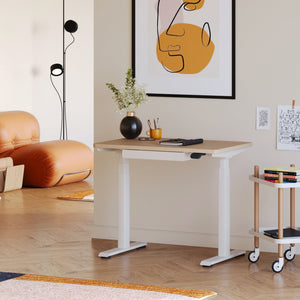
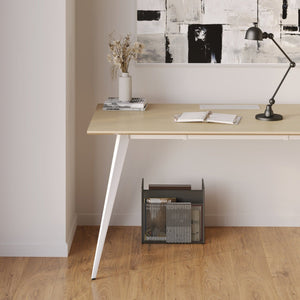
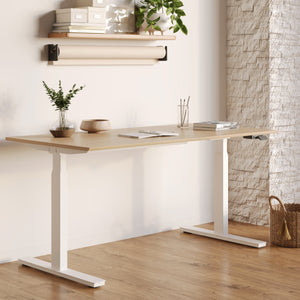
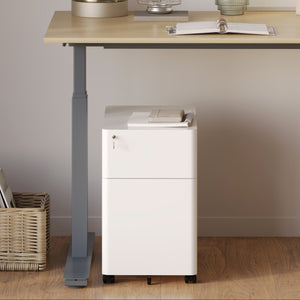






















Filing Cabinet Choices for Cleaner Workstation Planning
Cleaner workstation planning starts with filing storage that matches the desk, document volume, security needs, and daily workflow. Explore how cab...
Learn more
Visit quiz page to see how we makes it easy to create an inspiring workplace


An office chair usually does not fail all at once. Most of the time, it fades out of proper performance in small, easy-to-ignore ways. The seat feels a little flatter than it used to. The backrest no longer seems to meet the body in the same supportive way. A full morning of work starts to feel longer than it once did, not because the workload changed, but because the chair stopped helping the body stay settled.
That is why replacement decisions are better made through comfort signals than through appearance alone. A chair can still look presentable while losing the support qualities that matter most during daily work. Fabric condition, frame color, or a lack of obvious damage do not always reveal whether the chair is still doing its job well.
Comfort drift is often gradual. People adapt by shifting position more often, leaning forward, sitting on one side, or standing up more frequently without immediately connecting those habits to the chair. Over time, those small adjustments become part of the workday. What once felt effortless begins to require compensation.
A more useful question is not simply whether the chair is old. The better question is whether it still supports consistent, comfortable sitting through the kind of work it is meant to handle. For anyone comparing current seating options against newer models, an ergonomic office chair collection can provide a clearer sense of what stable support, everyday adjustability, and task-oriented design should still feel like in practice.
One of the earliest signs that a chair may need replacement is seat fatigue. This often shows up as a change in how the body feels after routine sitting. The cushion may look intact, yet the user starts feeling more pressure in the hips, thighs, or sit bones. A seat that once distributed weight evenly may begin to feel harder in certain zones or less supportive by the middle of the day.
That change matters because the seat is the foundation of sitting posture. When the cushion no longer supports weight evenly, the body begins making constant micro-adjustments. A person may slide forward, lean to one side, perch near the front edge, or cross and uncross the legs more often. Those habits are not random. They are usually attempts to find relief.
Frequent fidgeting at a desk is sometimes blamed on restlessness, but the chair is often part of the story. A stable seat should allow the user to remain comfortably engaged in work without feeling the need to repeatedly reset their position. When sitting becomes a cycle of adjustment, the chair may no longer be managing pressure well enough for sustained use.
This matters especially in roles that require long periods of keyboard work, reading, planning, or meetings. A worn seat slowly chips away at attention because discomfort competes with concentration. Even when the discomfort is mild, it creates background friction that adds up across the day.
A seat can still feel soft while performing poorly. Softness alone does not mean proper support. What matters is how well the seat maintains shape, distributes pressure, and keeps the user stable through extended sitting. A cushion that feels pleasant for a few minutes can still become tiring over several hours if it collapses unevenly or loses structural consistency.
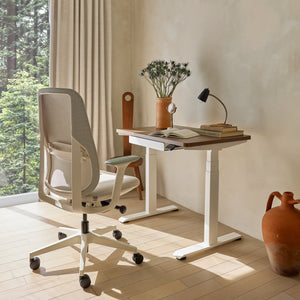
A chair such as the Novo Chair belongs naturally in this discussion because it is presented as an ergonomic seating option meant for sustained support across the workday. That kind of product reference is useful when evaluating what a properly supportive seat should continue to deliver long after the first few weeks of use.
Back support issues rarely begin with dramatic pain. They often begin with timing. The user notices that lower-back tightness sets in earlier than it used to. A chair that once felt supportive through most of the day now starts to feel tiring before lunch. That shift is important because it suggests the chair is no longer helping the body maintain a comfortable working posture as effectively as before.
When lumbar contact weakens, the pelvis and spine tend to compensate. Some people slump. Others perch forward. Some alternate between leaning back and leaning away from the backrest entirely. None of those behaviors necessarily mean the user has poor posture habits on their own. Often, the chair has stopped making good posture easier to sustain.
A chair backrest does more than provide a surface behind the body. It should support the torso in a way that reduces unnecessary muscular effort during routine desk work. When that support declines, the user may feel a vague sense of fatigue through the mid-back or tension spreading into the shoulders.
This can happen when the backrest padding flattens, when recline resistance feels inconsistent, or when the user no longer feels properly supported through common sitting positions. A chair does not need to be visibly damaged for this change to happen. Even modest support loss can be enough to alter how the upper body carries itself through the day.
Neck discomfort is commonly blamed on screens, phones, or long hours, and those factors do matter. Still, a chair that no longer supports the body well can be a contributing cause. When the seat and backrest stop holding the body in a stable, balanced posture, the head and shoulders often move forward to compensate. That increases strain in the neck and upper trapezius area.
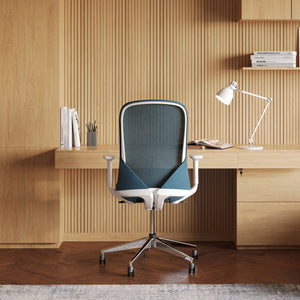
Adjustability becomes especially valuable here because support needs are rarely static through a full workday. The Muse Chair is relevant in this context because it is positioned as an adjustable chair built around workday movement and productivity. That makes it a meaningful example when discussing how a chair should adapt to the user rather than forcing the user to adapt to the chair.
A chair that cannot hold seat height consistently can affect comfort more than many people realize. Even small shifts change foot contact with the floor, knee angle, and the user’s relationship to the desk surface. Over the course of a workday, those small changes can influence how the hips settle, how the shoulders sit, and how easily the arms reach the keyboard.
If the chair slowly sinks or no longer lands at a predictable height, comfort becomes inconsistent. That inconsistency makes posture harder to maintain because the user is working against the chair rather than working with it.
A properly functioning recline system should feel controlled and trustworthy. When it does not, people tend to guard against movement. They sit more stiffly, avoid leaning back, or engage their core and shoulders just to feel stable. That kind of muscular bracing may not feel dramatic at first, but it can make a chair feel tiring even when the cushion and backrest still seem acceptable.
Armrests are often treated as secondary, but they can influence shoulder comfort, elbow position, and wrist strain. When they are too high, too low, loose, or poorly placed, the upper body compensates. Some users raise the shoulders slightly. Others let the arms hang unsupported. Over time, those patterns can affect comfort across the whole upper body.
A chair also has to work with the desk around it. That is why seating should be judged as part of a workstation, not in isolation. The relationship between chair height, arm position, and desk surface matters, which is why ergonomic office desks belong in the conversation. Desk fit and chair fit are closely connected, especially for people spending long hours typing, reading, or switching between screen-based tasks.
A squeak, wobble, or uneven rolling pattern might sound minor, but those issues can change how a person uses the chair. A chair that feels unstable tends to invite caution. The user may sit more rigidly, avoid reclining, or stop rotating naturally. That shift in behavior changes comfort, even if the cause seems purely mechanical on the surface.
The body responds to uncertainty. When a chair does not feel steady, muscles often pick up the work of stabilization. That increases effort during tasks that should feel routine.
Not every issue requires a new chair. Casters can wear unevenly. Screws can loosen. Some tension settings need adjustment over time. Basic maintenance is a practical part of keeping office seating in working condition.
Still, there is an important difference between minor upkeep and ongoing compensation for a chair that is no longer performing well. If the seat has flattened, the height slips, the back support feels weaker, and the base no longer feels solid, repeated small fixes may only delay the obvious. At that point, replacement is often the more reliable path toward restoring comfort.
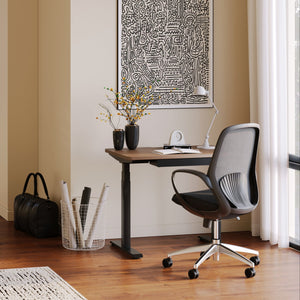
The Onyx Chair fits naturally into this part of the discussion because it is framed as an ergonomic chair designed for all-day comfort and support. That makes it a relevant comparison point when the question is no longer how to patch a failing chair, but how to move back into dependable daily seating.
There is no single replacement rule that fits every office chair. A chair used occasionally in a home office ages differently from one used every day for concentrated desk work. A shared chair in a collaborative setting may wear differently from a personal chair used by one person with consistent preferences.
The workload matters too. A chair used for focused computer sessions tends to reveal support problems sooner than a chair used for short meetings or flexible seating. The more time a person spends relying on stable pressure distribution, back support, and controlled adjustment, the more noticeable decline becomes when those features begin to fade.
People often delay replacing a chair because the decline feels manageable. The chair still works, technically. It still rolls, still adjusts somewhat, and still looks acceptable in the room. But the cost of waiting often appears in more subtle ways: shorter periods of comfortable focus, more posture breakdown late in the day, more standing breaks caused by discomfort, and more tolerance for strain that should not have become normal.
For teams or buyers looking at broader workspace improvements rather than one chair in isolation, a showroom-quality office furniture selection can help connect seating decisions with the rest of the workplace environment. The point is not to replace a chair simply because it is no longer new. The point is to avoid normalizing preventable discomfort that quietly drags down daily performance.
The most useful replacement decisions come from patterns, not isolated moments. A demanding day can make almost any chair feel less comfortable. What matters is whether the same discomfort keeps returning under normal working conditions.
A practical comfort audit can be simple:
1. Notice when discomfort begins during the workday.
2. Track how often you reposition to stay comfortable.
3. Pay attention to whether settings stay reliable.
4. Compare how your body feels in another chair.
5. Look for repeated pressure points, back fatigue, or tension patterns.
If those signals keep appearing, the chair is likely telling the truth about its condition.
| Comfort signal | Likely issue | Monitor or act? |
|---|---|---|
| Seat feels harder by midday | Cushion compression or uneven support | Act if it repeats regularly |
| Lower back tires faster than before | Reduced backrest support or poor fit | Act if it changes daily comfort |
| Chair slowly sinks or shifts | Height mechanism inconsistency | Act if posture changes during work |
| Wobble or instability increases | Base or structural wear | Act if it affects confidence or posture |
| Frequent repositioning becomes constant | Combined support decline | Act if it disrupts focus |
This kind of framework keeps the decision grounded in what the body is actually experiencing, rather than in guesses based on age or appearance alone.
When a chair is used for extended computer work, support consistency matters more than visual novelty. The replacement should help restore comfortable sitting duration, predictable adjustment, and a balanced relationship with the desk and screen.
Not every chair in an office has to serve the same purpose. Some are meant for long, focused work. Others support shorter sessions, occasional desk use, or flexible zones where appearance and practicality both matter. Choosing well means matching the chair to the role it will actually play.
The Seashell Chair is a good example of how that distinction matters. Its description points toward breathable mesh, integrated armrests, and practical everyday use. That makes it more appropriate to reference in a conversation about lighter-duty or versatile seating than in a claim about highly specialized ergonomic performance.
Replacing an office chair at the right time is really about restoring what steady, comfortable work should feel like. When comfort signals begin to shift, they are worth taking seriously. A chair does not have to be broken to be past its best working condition. Once support reliability fades, replacement becomes less about preference and more about protecting posture, focus, and the quality of the hours spent sitting.


You have unlocked free shipping!
You're saving $29 and unlocked free shipping!
Leave a comment