

























Filing Cabinet Choices for Cleaner Workstation Planning
Cleaner workstation planning starts with filing storage that matches the desk, document volume, security needs, and daily workflow. Explore how cab...
Learn more
Visit quiz page to see how we makes it easy to create an inspiring workplace


Homes are no longer static spaces. They function as offices, study areas, creative studios, and relaxation zones, often within the same room. As lifestyles evolve, so does furniture design. Modular furniture has become one of the most practical and forward-thinking trends in modern interiors.
Unlike fixed pieces that limit layout options, modular designs adapt. They expand, adjust, and reconfigure to suit new routines. This flexibility allows homeowners to create spaces that grow alongside their needs. Modular furniture is not simply a trend. It reflects how people actually live today.
Modern homes demand versatility. Open floor plans, remote work, and smaller living spaces require furniture that can shift without being replaced. Modular pieces allow you to rearrange components rather than buy entirely new setups.
A thoughtfully designed Office Table Los Angeles can serve as a central anchor while remaining adaptable for different tasks. Whether used for focused work, meetings, or creative planning, modular tables offer structural reliability with layout flexibility.
The rise of modular furniture is driven by:
Multi-purpose rooms
Hybrid work schedules
Compact living spaces
Desire for long-term value
Adaptability is no longer optional. It is essential.
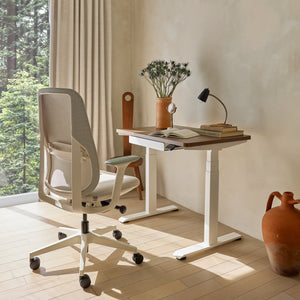
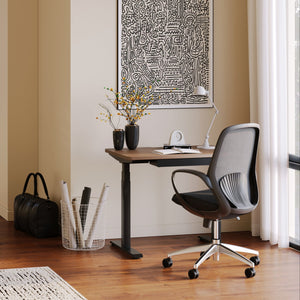
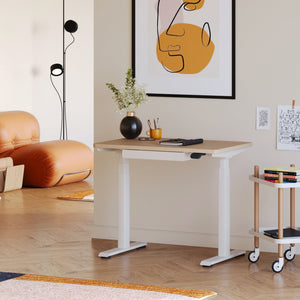
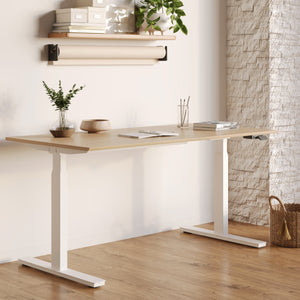
Height-adjustable desks represent one of the strongest examples of modular functionality.
A durable standing desk allows seamless transitions between sitting and standing.
Supports multiple users
Adapts to changing tasks
Encourages movement
Extends usability
Reduces strain from prolonged sitting
Accommodates new equipment
Maintains structural stability
Future-proofs your workspace
Modular movement creates a workspace that evolves throughout the day.
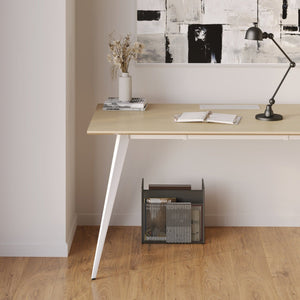
Minimalist modular desks offer expandable functionality without visual bulk.
A well-constructed office desk balances simplicity and modular adaptability.
Expandable surface compatibility
Durable frame support
Clean cable management
Balanced proportions
Reduces clutter
Blends into modern interiors
Supports growing workloads
Maintains timeless design
Modular desks prioritize both structure and style.
The effectiveness of modular furniture is supported by research such as this workspace design study, which highlights how adaptable environments improve focus and efficiency.
Flexible layouts reduce stress. When furniture adapts to your needs, you avoid frustration caused by rigid setups. Modular design empowers you to create zones for focus, collaboration, or relaxation without replacing core pieces.
Design that adjusts to behavior supports productivity naturally.
Technology integration is central to modular workspaces.
An adjustable ergonomic arm enhances flexibility by allowing monitors to reposition easily. A secondary adjustable monitor mount supports multi-screen expansion without replacing the desk.
Built-in charging options like an in-desk power solution eliminate clutter and simplify setup.
Cleaner workspace
Easier reconfiguration
Reduced cable clutter
Improved ergonomics
Technology modules make adaptability seamless.
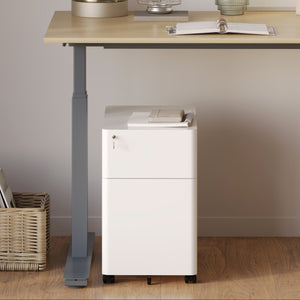
Storage is equally important in modular design. A flexible filing cabinet storage unit can reposition as your layout evolves.
Modular storage supports:
Organized documentation
Clear surfaces
Adaptable room zoning
Efficient workflow
Storage should move with your needs rather than restrict them.
|
Feature |
Traditional Furniture |
Modular Furniture |
|
Layout Flexibility |
Limited |
High |
|
Adaptability |
Fixed |
Adjustable |
|
Long-Term Value |
Moderate |
High |
|
Technology Integration |
Basic |
Advanced |
|
Space Efficiency |
Variable |
Optimized |
Modular systems consistently provide greater flexibility and long-term functionality.
Modularity should not compromise comfort.
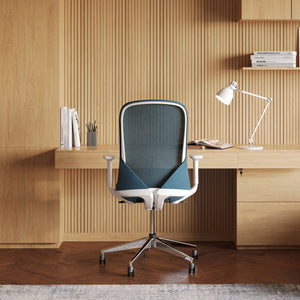
A supportive ergonomic chair ensures modular layouts remain comfortable for extended use.
Lumbar adjustability
Height flexibility
Breathable materials
Stable support
Supports longer work sessions
Prevents posture strain
Adapts to different desk heights
Encourages healthy habits
Comfort ensures modular setups remain practical, not just flexible.
Modular furniture aligns with evolving lifestyles. As homes continue blending professional and personal functions, flexibility will remain essential.
Rather than replacing furniture every few years, modular systems allow incremental upgrades. Add a monitor arm. Adjust desk height. Integrate power modules. Rearrange storage.
This incremental adaptability reduces waste and increases long-term satisfaction.
Modular design is not only for workspaces. It also supports households that evolve over time. As families grow, routines change. A spare room becomes a study area. A shared desk becomes two separate work zones. Modular furniture makes these transitions smoother.
Furniture that adjusts prevents the need for constant replacement.
Desks can shift locations as children grow
Storage units can expand with school or work needs
Monitor mounts can adjust for different users
Workstations can convert between solo and shared use
Reduces repeated purchases
Supports changing schedules
Maintains consistent design language
Maximizes small or shared spaces
Modular pieces grow with your household instead of becoming obsolete.
While modular furniture may require a higher upfront investment, it often proves more economical over several years.
Rather than replacing entire setups, modular systems allow upgrades in parts.
Add components instead of buying new desks
Replace accessories without discarding the base structure
Expand storage without redesigning the room
Adjust height and layout instead of upgrading furniture
Lowers long-term costs
Reduces waste
Maintains workspace consistency
Protects your initial investment
Modular design shifts spending from replacement to refinement. That approach creates stability in both layout and budget.
Modular furniture reflects how people truly live today.
Use this checklist when evaluating modular investments:
Does it allow layout adjustments?
Can it adapt to new technology?
Is the structure durable?
Does it support ergonomic alignment?
Can components expand over time?
Is cable management integrated?
Does it fit compact spaces efficiently?
Will it remain relevant long term?
Does it reduce clutter?
Does it improve productivity?
Modular furniture offers flexibility, durability, and smart integration. In modern homes where change is constant, adaptable design ensures your space grows with you rather than limiting you.


You have unlocked free shipping!
You're saving $29 and unlocked free shipping!
Leave a comment